How Two Rivers Give Viña Maquis Wines Their Freshness
The secret microclimate of Viña Maquis and the 300-year legacy of Chile’s great wine families
Jan de Weerd - Spoken Wines
This will hide itself!
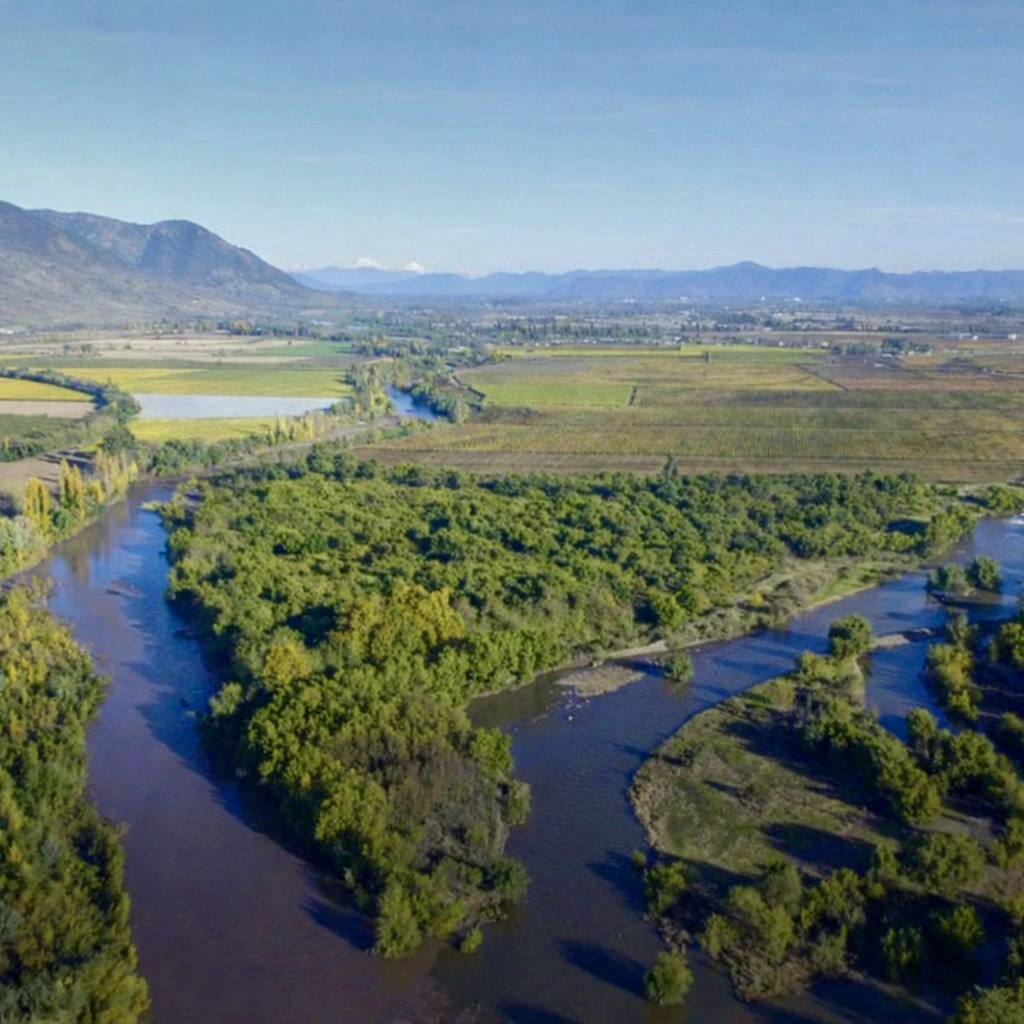
What gives Viña Maquis wines their unusual freshness and structured elegance? The answer begins with two waterways. The Tinguiririca River and Chimbarongo Creek wrap around the estate, shaping a small triangular oasis of vineyards in the heart of Chile’s Colchagua Valley. Their influence cools the land, while deep clay over gravel helps the vines retain moisture and drain efficiently. The result is a balance of ripeness, freshness, and structure that you can taste in the glass.
Arriving at Viña Maquis, you quickly notice something unusual about the land. The air is cooler, the soils are different, and the vineyard feels almost improbable: an oasis tucked between two rivers in one of Chile’s most celebrated wine regions.
But the story of Maquis is not just about geography. It is a story centuries in the making, shaped by Jesuit missionaries, powerful Chilean families, earthquakes, and a deep understanding of the land itself. Today, that history lives on through wines that express this singular place, particularly the elegant Cabernet Franc and the remarkable Cabernet Sauvignon that left us utterly captivated during our visit.
Three Centuries of Chilean History in One Vineyard
The story of Viña Maquis stretches back more than three centuries and, in many ways, mirrors the history of Chile itself.
Vines were first planted here in the 1700s by Jesuit missionaries, who recognized the fertility of the land between the rivers. In the 19th century, the estate came under the ownership of the influential Errázuriz family, one of the most powerful families in Chilean history and a lineage that produced four presidents of Chile. Their stewardship helped shape the property during the formative years of Chile’s wine culture.
In the early 1900s, the estate was acquired by the Hurtado family, whose dedication continues to define Viña Maquis today. But like much of Chile’s agricultural land, the estate faced uncertainty during the sweeping land reforms of the 1970s, when properties across the country were redistributed to local farmers. Over time, the Hurtado family was able to reclaim the estate, preserving a historic vineyard site that might otherwise have disappeared.
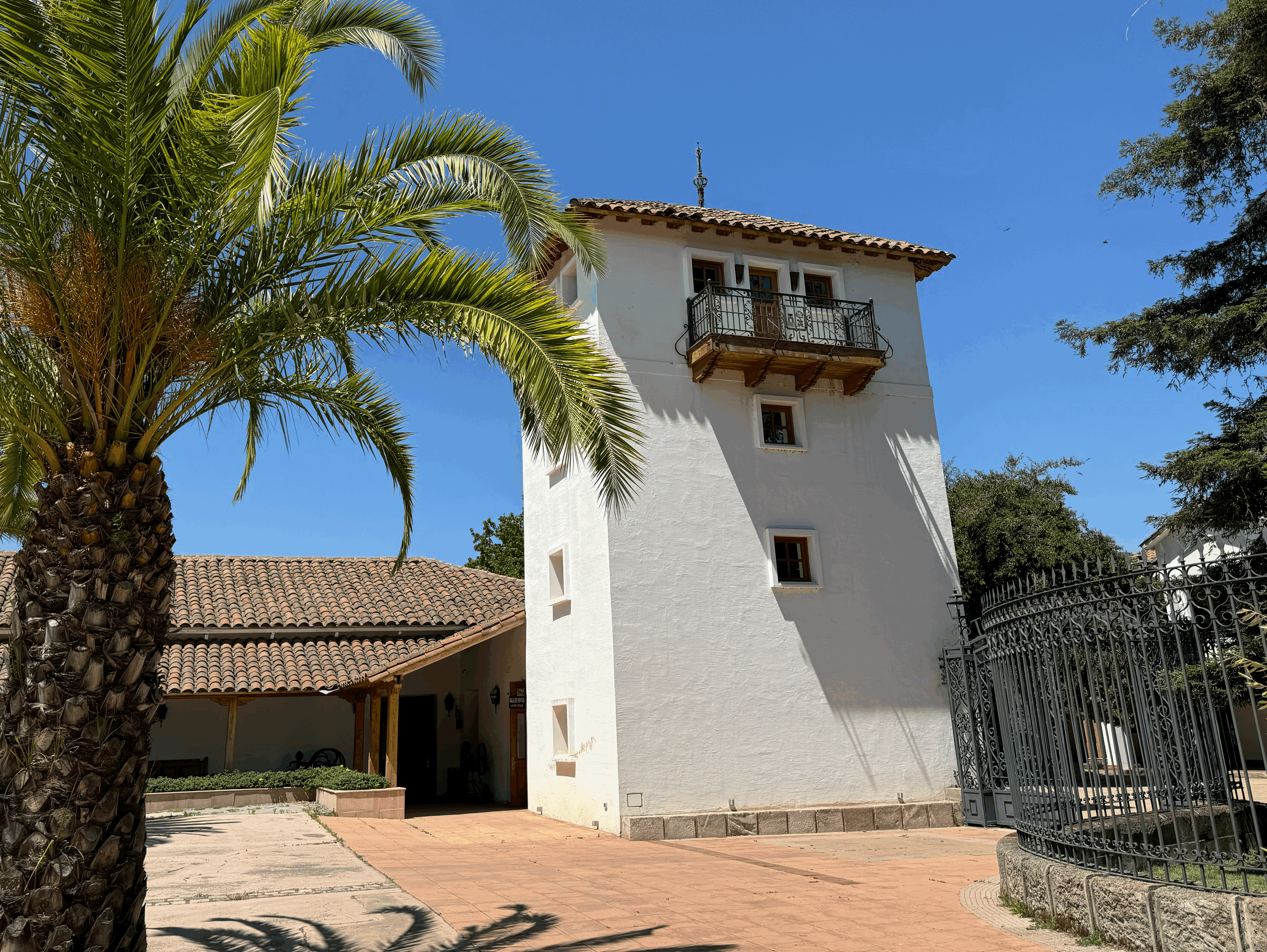
Nature tested the estate as well. Powerful earthquakes in 1960, 1985, and 2010 severely damaged the traditional adobe buildings that once stood here. Each time, the family rebuilt, preserving not just the structures but the spirit of the place.
Today, Viña Maquis stands as a living testament to Chile’s resilience, a vineyard where centuries of history, families, and nature converge in one extraordinary place.
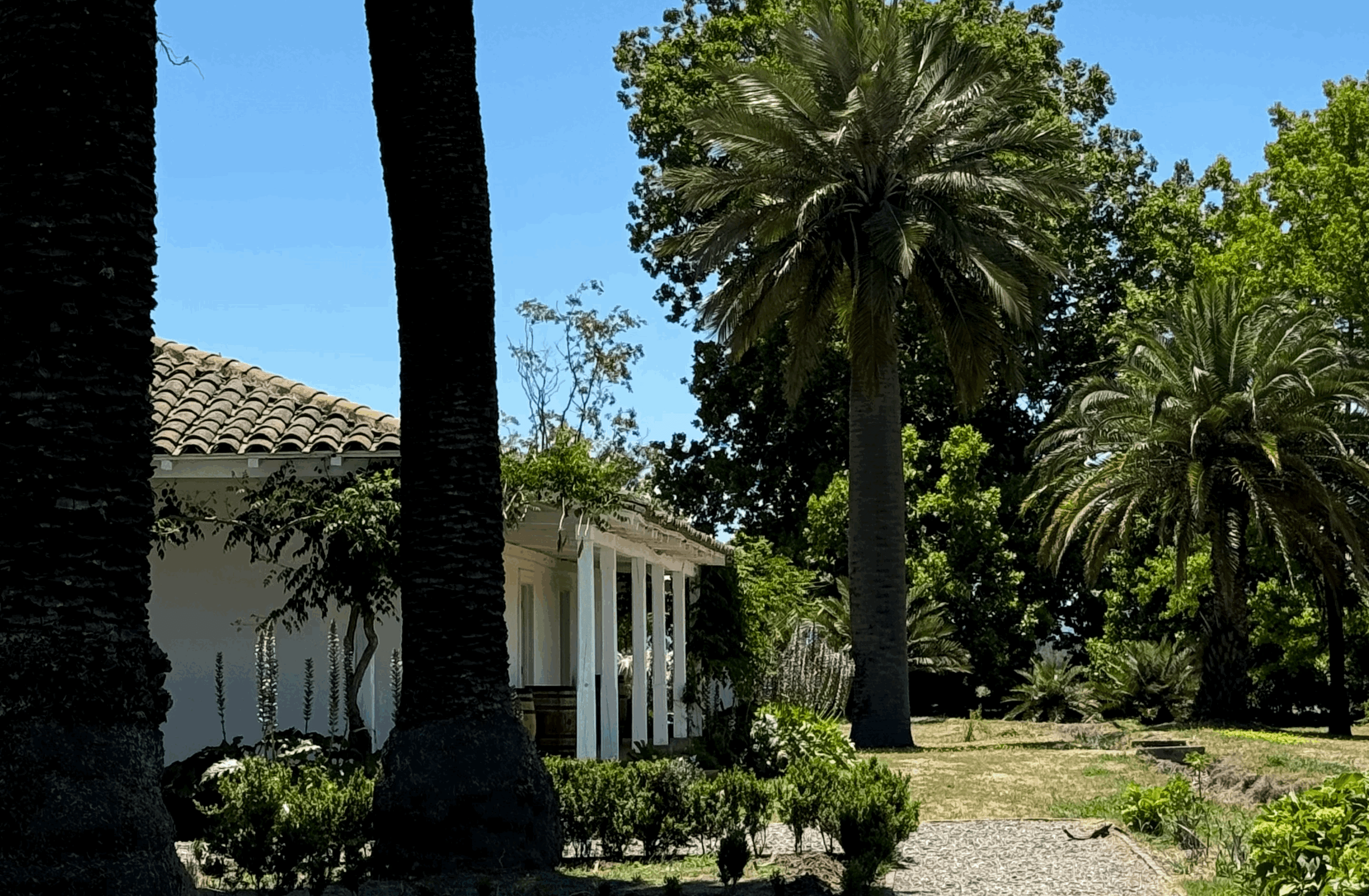
In the early 1900s the estate was acquired by the Hurtado family, whose dedication continues to define Viña Maquis today.
The Rare Terroir Between Two Rivers
If history explains how Maquis endured, terroir explains why it thrives.
Standing in the vineyard with Maquis brand ambassador Carlos Arévalo, he pointed to the land around us and described the rare geographic condition that defines the estate. The Chimbarongo Creek and Tinguiririca River converge around the property, forming what was once essentially a natural island of land.
Within this triangular corridor, the vineyards experience a unique microclimate. The nearby water moderates temperatures and brings humidity that naturally cools the vines. According to Carlos, the estate is often about two degrees cooler than other parts of the Colchagua Valley. It is a small difference with a profound impact on the wines.
The soils tell the second part of the story. Beneath the vineyards lies a deep layer of clay, sometimes reaching nearly two meters, resting on a foundation of gravel and river stones deposited over centuries by the surrounding waterways. The clay retains moisture and supports the vines, while the gravel allows water to drain efficiently and the stones reflect heat toward the grapes. The result is wine with both structure and freshness, an unusual balance in the region that shapes the elegant character for which Maquis has become known.
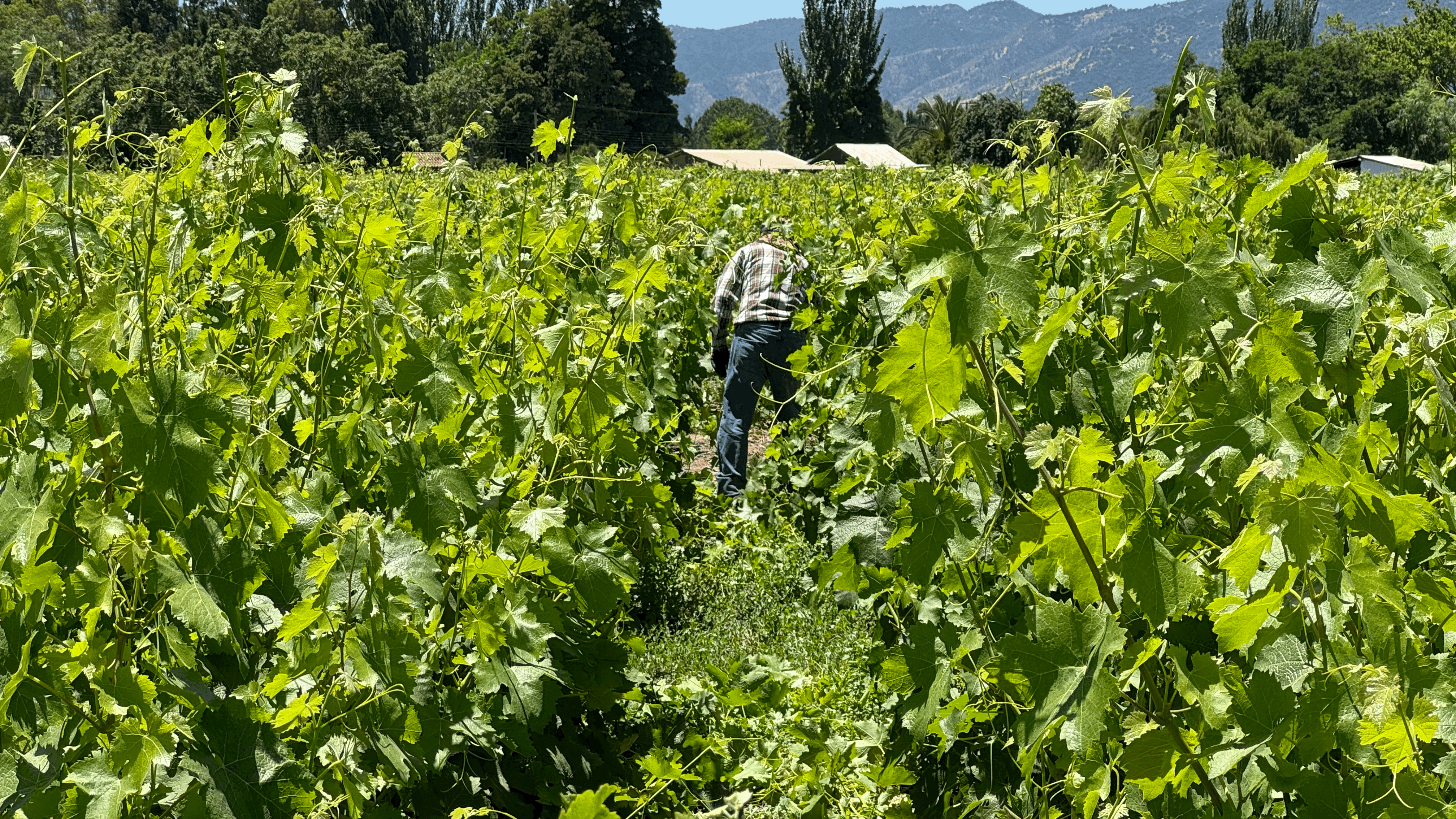
Beneath the vineyards lies a deep layer of clay on a foundation of gravel resulting in wines with both structure and freshness.
Wines Shaped by Place
This delicate equilibrium between climate and soil has allowed Maquis to specialize in varieties that express elegance rather than sheer power. Among them, Cabernet Franc has become the estate’s signature wine.
In many parts of the world, Cabernet Franc plays a supporting role. At Maquis, it thrives. The cooler microclimate created by the rivers allows the grape to ripen slowly, preserving aromatic lift, vibrant red fruit, and fine structure. As a result, the winery has received multiple high ratings from critics, including Robert Parker’s Wine Advocate, not only for Maquis Franco but also for Maquis Viola, a blend from the best Carménère vineyards on the Maquis estate. Several vintages have earned scores in the mid-90s, a testament to the precision and balance achieved here.
Yet during our visit, another wine unexpectedly stole the show.
Maquis’ FUTA Cabernet Sauvignon, produced from its coastal Calcu vineyard project, delivers a completely different expression of Chilean Cabernet. Influenced by cooler coastal air and careful vineyard selection, the wine shows remarkable depth, freshness, and tension.
For us, it was a moment that elevated the entire tasting experience. The wine seemed to capture the same spirit that defines Maquis itself: rooted in tradition, shaped by nature, and quietly confident in its identity.
Explore the complete Viña Maquis wine collection.
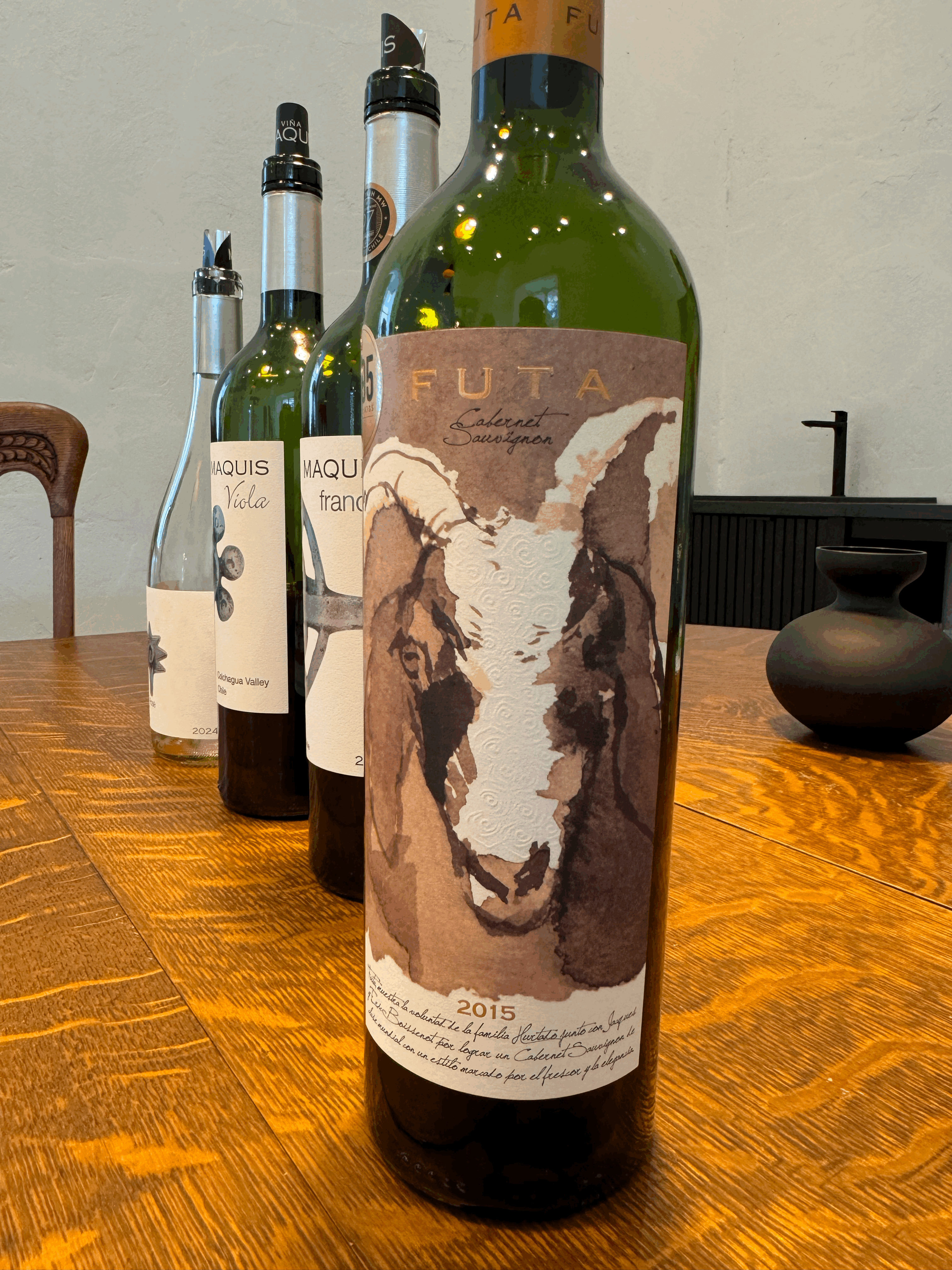
Maquis’ FUTA Cabernet Sauvignon stole the show for us. Incredible depth, freshness, and tension came together in one sip.
Carlos put the influence of the rivers simply: “Being between the two rivers creates a natural microclimate. It’s cooler, fresher, and that helps our wines show elegance in a very natural way.”
Where to Start With Viña Maquis
If you want to understand the estate’s signature expression, begin with Cabernet Franc. It shows how the cooler conditions between the rivers can preserve freshness and aromatic lift. If you usually reach for Cabernet Sauvignon, the Maquis range offers a familiar grape through the lens of Colchagua’s climate and the estate’s river-shaped terroir.
Wine.com currently lists Maquis Gran Reserva Cabernet Sauvignon 2019, the closest Maquis Cabernet Sauvignon match to the style discussed in this story. The listing is currently sold out but may restock; check back for availability.
Some links may be affiliate links, which means Spoken Wines may earn a commission at no additional cost to you.
Keep exploring wine by region in the Spoken Wines Editorial Hub, or join our newsletter for firsthand reports from the world’s most remarkable wine regions.
More from this country

Chile
Can You Taste a Living Vineyard? Inside Koyle Family Vineyards
How biodynamic farming, elevation and basalt soils help Koyle Family Vineyards create wines that express their place in Chile’s Colchagua Valley.

Chile
What We Learned at Clos Apalta: How Great Wineries Think
Inside Clos Apalta's seventeen micro-terroirs and the philosophy behind every decision
Chile
How Torreón de Paredes Turned a Father’s Dream Into a Chilean Wine Legacy
A Father’s Dream, Two Sons, and the Soul of Chile in a Glass



From Vineyard to Inbox
Subscribe to our newsletter