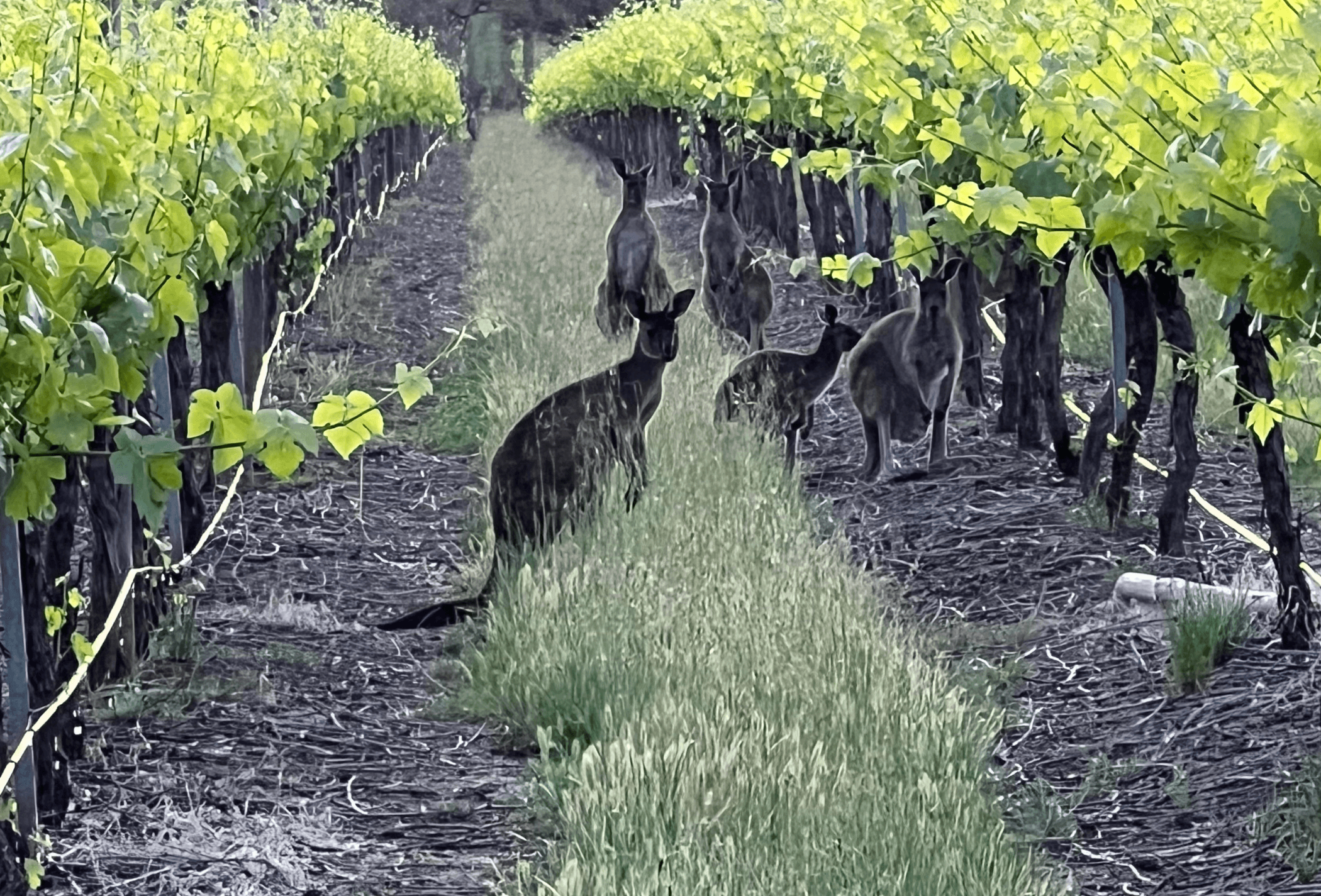
Australian Wine: Where Old Vines Tell New Stories
Discover the landscapes, old vineyards, and people shaping Australian wine from the Barossa Valley and beyond.
Australian wine is often associated with Shiraz from the Barossa Valley, home to some of the world's oldest continuously producing vineyards. Some of the region's vines were planted in the 1840s and still bear fruit today.
But the Barossa is more than one grape and one style. Warm days, varied elevations, and complex soils allow Shiraz, Cabernet Sauvignon, Grenache, Mourvèdre, and other varieties to express themselves in very different ways. The wines can be rich and powerful, but also savory, lifted, elegant, and long-lived.
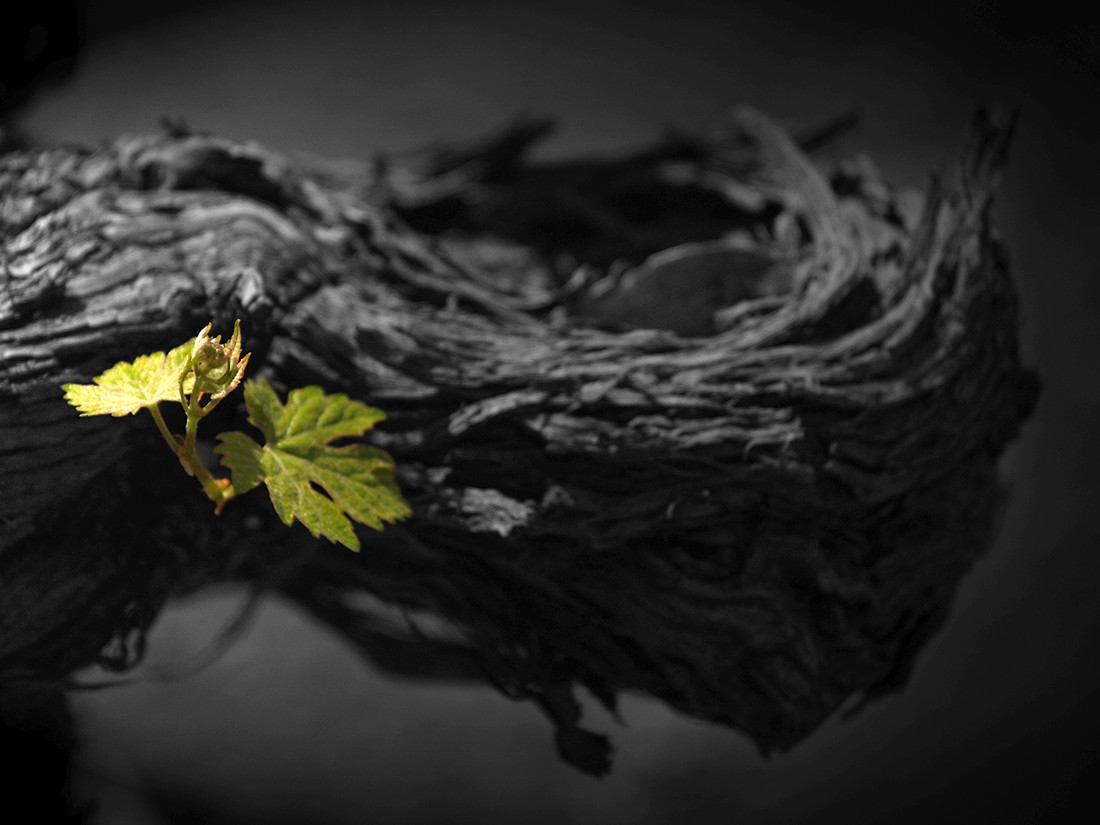
The region's old vines have also taught generations of growers and winemakers to pay close attention to place. A change in slope, soil, or aspect can shape the character of a wine, even when the same grape is planted nearby. Some families have protected old vineyards for generations, while others have built new wines around rare varieties and distinctive sites.
Australia's wine country extends well beyond the Barossa, from cooler coastal regions to high-elevation and inland vineyards of the Yara Valley. As our coverage grows, each winery will offer another way to understand how climate, soil, vine age, and human decisions shape Australian wine.
The wineries and stories gathered here are invitations to explore that diversity, and to discover why Australian wine is much more than bold Shiraz.
“
A great wine comes from a great vineyard that is grown on a great site.
Dean Hewitson
Hewitson Wines
Winemaker and Owner
Featured wineries
More hidden gems
See more stories
Frequently asked questions
What wine region does Spoken Wines cover in Australia?
What grape is the Barossa Valley known for?
Why are old vines important in Australian wine?
Why do wines from the same grape taste so different across Australia?
Is Australian wine only Shiraz?
What is the difference between Shiraz and Syrah?
What makes Barossa Shiraz distinctive?
Where can I buy these Australian wines?

From Vineyard to Inbox
Subscribe to our newsletter