Pulenta Estate
About
There is a reason Porsche chooses this winery. Since 2001, when Porsche introduces a new model, the wine poured at the launch comes from one place: Pulenta Estate in Luján de Cuyo, Argentina. The attention to detail, the precision, and the quiet confidence in the final result are felt the moment you arrive. The Pulenta family represents four generations of Argentine winemaking dating back to the early 1900s, when Angelo Pulenta immigrated from Italy to Argentina. Over the decades, the family helped build Trapiche and Peñaflor into Argentina's largest wine group. In 1997, they sold their majority stake in the business, and Eduardo Pulenta Sr. chose to begin again with a new vision centered on craftsmanship, elegance, and precision. That vision became Pulenta Estate in 2002—the first winery in four generations to carry the family name. Today, the estate is internationally recognized for its refined, precision-crafted wines and its unique partnership with Porsche, whose global model launches have featured Pulenta wines for more than two decades.
Order Their Wines
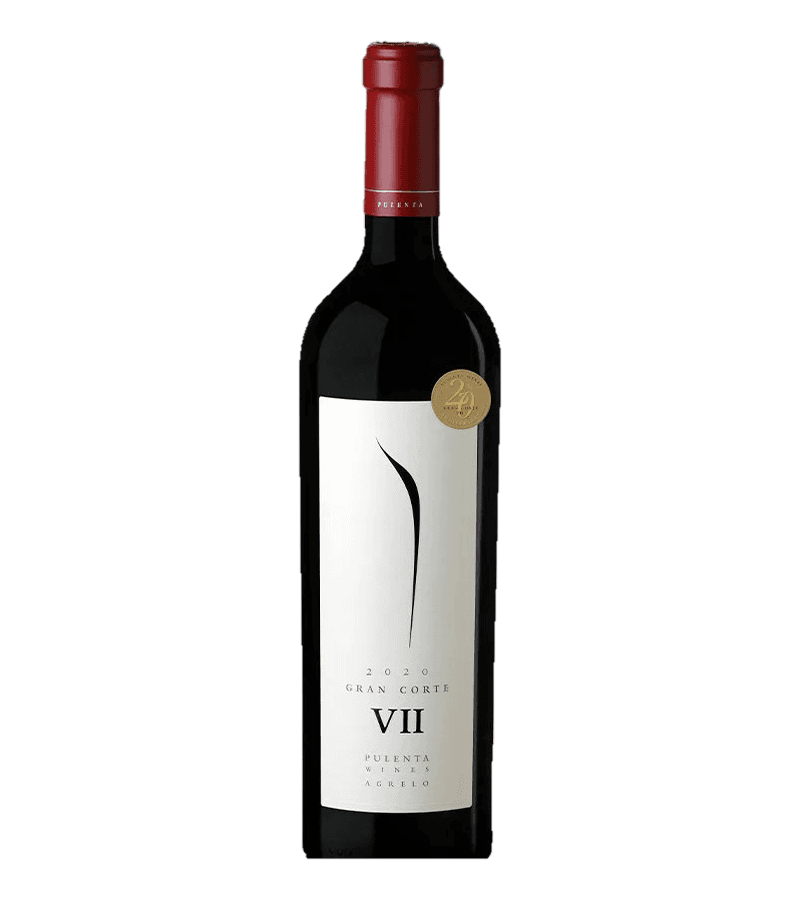
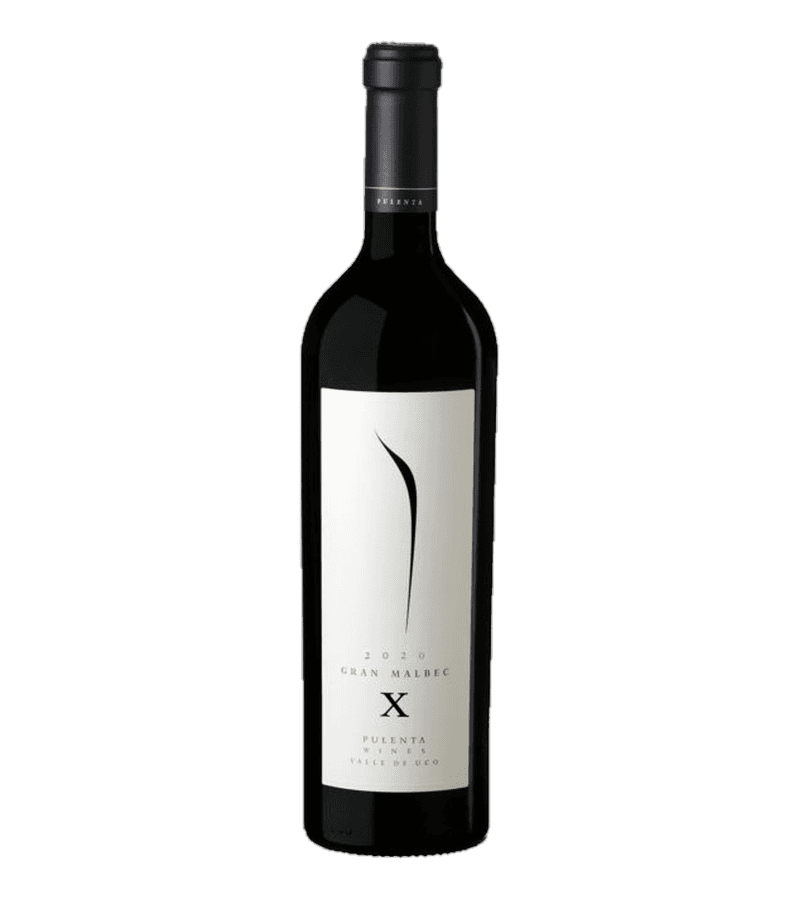
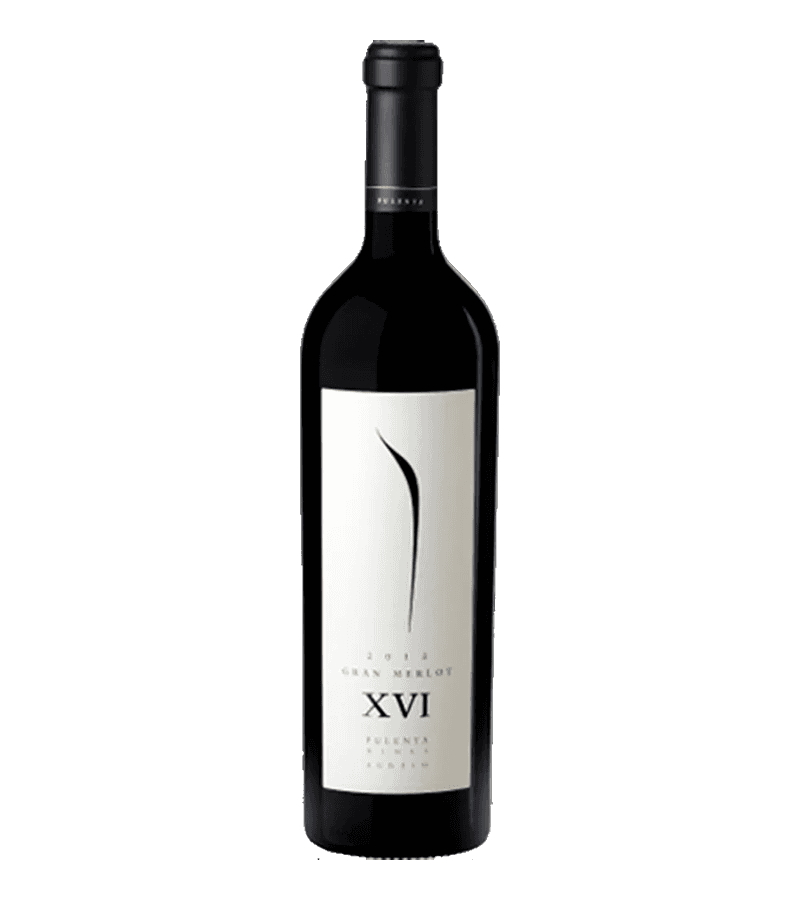
People
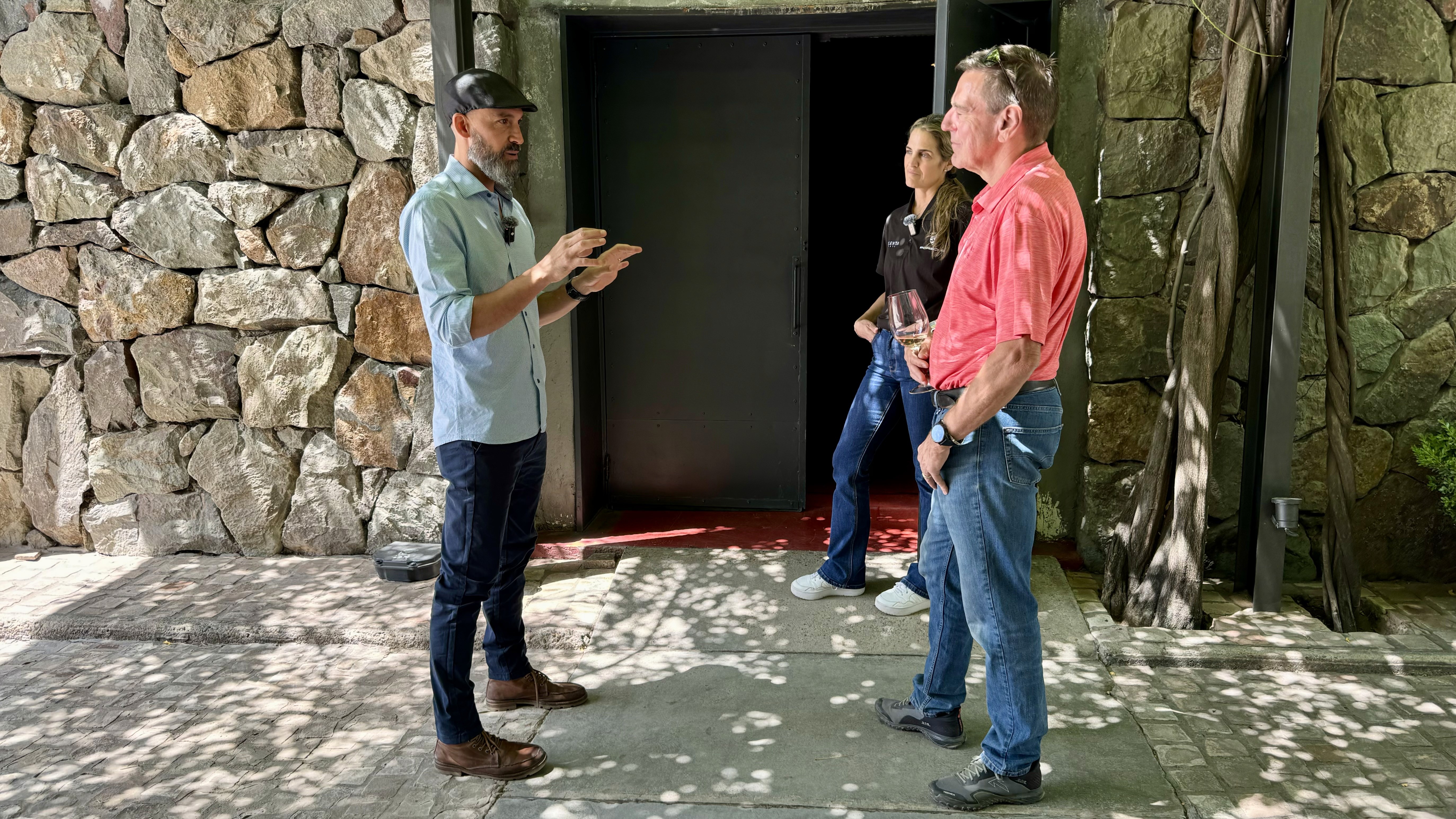
Pulenta Estate is now led by brothers Hugo and Eduardo Pulenta, sons of Eduardo Pulenta Sr., who have chosen to create their own expression leaning on a family legacy that spans generations. From the moment we arrived, we were met with warmth and sincerity—whether speaking with Connie, our host, or spending time with Javier and Eduardo Pulenta himself. Eduardo spoke often about wine as something larger than business. He described the culture of wine as one of sharing, hospitality, and human connection. That spirit is felt throughout the estate. Javier, Pulenta's winemaker since 2006, embodies it in his own quiet way. He never rushes through an explanation. Instead, he carefully walks you through each detail—measured, thoughtful, and fully engaged in every decision that shapes the wine. Perhaps the philosophy of the people at Pulenta is best captured by a phrase carved into the winery wall: "Making a great wine is an act of generosity."
Luján de Cuyo, Mendoza
//
Argentina
Place
Mendoza is often associated with power and intensity, but Pulenta Estate captures something more refined within that landscape. The estate's vineyards are located in two of Mendoza's most respected wine regions—Agrelo in Luján de Cuyo and the Uco Valley—where elevation, sunlight, and the Andes Mountains work together to shape the character of the wines. Warm sunny days build ripeness and concentration, while cool mountain nights preserve freshness and natural acidity. At nearly 1,000 meters above sea level, the vineyards sit among alluvial soils formed over centuries by runoff from the Andes. The dry desert climate, low disease pressure, and long growing season allow the fruit to ripen slowly and evenly, developing both structure and elegance. Standing at Pulenta Estate, with the snow-covered Andes rising behind the vineyards, it becomes clear that the landscape itself plays a defining role in the wines. There is a sense of calm precision to the place: the rows of vines stretching toward the mountains, the stillness of the cellar, all reflect the same philosophy found in the wines themselves: balance, clarity, and restraint.
Culture
There is a sense of discipline throughout Pulenta Estate. It shows up in the pace of the work and in the decisions that are carefully made. There is a sense of engineered precision guiding every step of the process, with careful attention given to temperature, extraction, timing, and balance. Javier explained how the same vineyard and the same fruit are used to create multiple expressions of the wine. One harvest comes early to preserve freshness and acidity. Another comes later to bring concentration and depth. The wines are then fermented separately in concrete, stainless steel, and oak, creating what he calls six different "components." The resulting blends feel remarkably focused, intentional, and consistent from vintage to vintage. That same restraint carries into the aging process. Pulenta uses no more than twenty percent new oak. "For us, the wine is the protagonist," Javier emphasized. Aging in neutral oak softens the tannins, stabilizes the color, and gradually brings everything into harmony. Eduardo describes the result as aterciopelado—velvety. It is a style that can be recognized in blind tastings and one that stays with you.

Stories from this country


High-altitude wines, Andes views, and a rare invitation to stay among the vines or create wine from your own vineyard parcel.
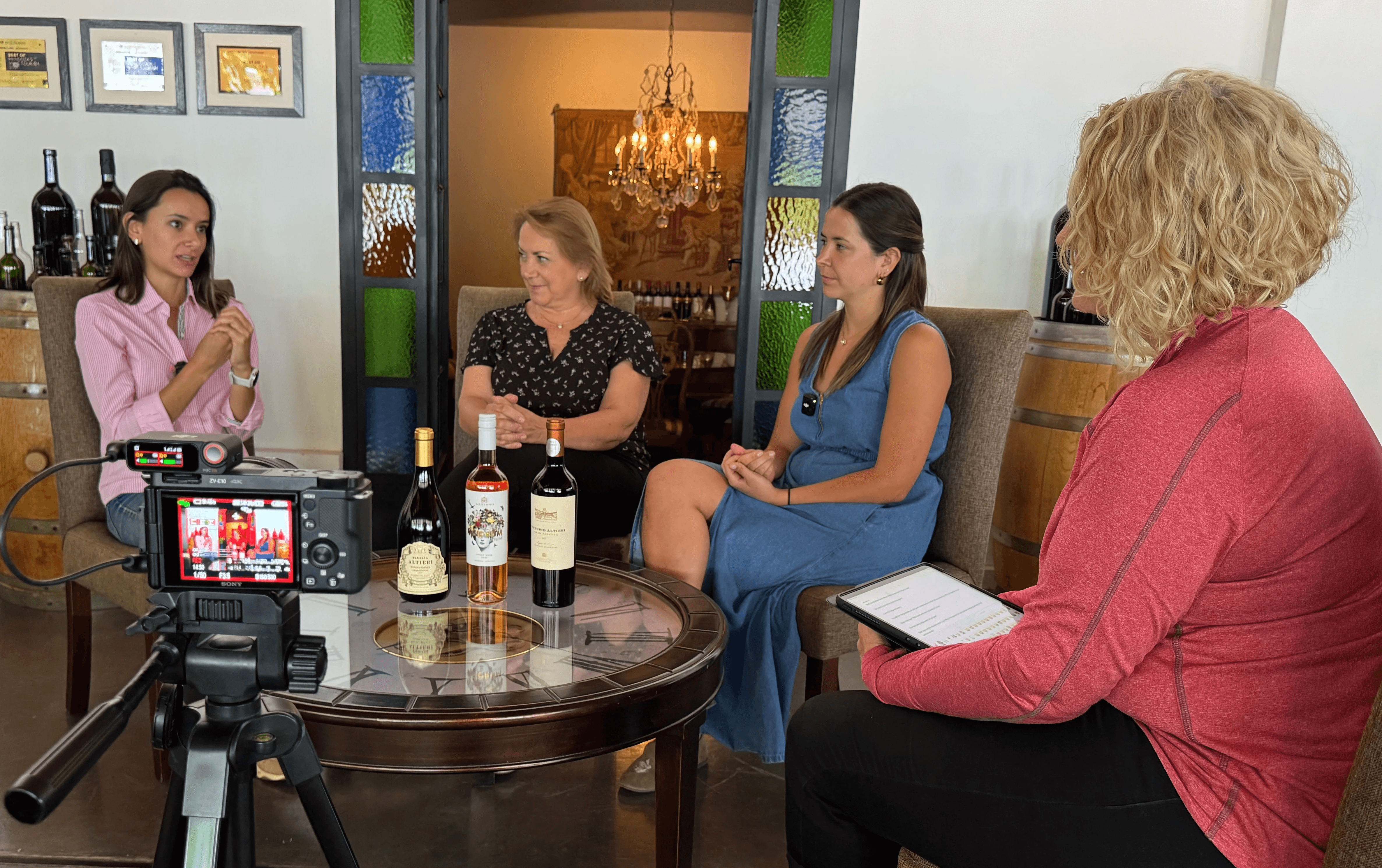
At Altieri Family Winery in Luján de Cuyo, three women carry a family wine tradition from historic concrete vats into precision viticulture.