From Colchagua to Apalta: Chilean Wine You Can Talk About

From Colchagua to Apalta: Chilean Wine You Can Talk About

From Colchagua to Apalta: Chilean Wine You Can Talk About

Three valleys, a father's dream passed to his sons, and the rivers shaping wines most people have never tasted.

Three valleys, a father's dream passed to his sons, and the rivers shaping wines most people have never tasted.

Three valleys, a father's dream passed to his sons, and the rivers shaping wines most people have never tasted.

Chile produces more wine than almost any country outside Europe, yet most bottles that reach a shelf abroad say little about where they actually come from.

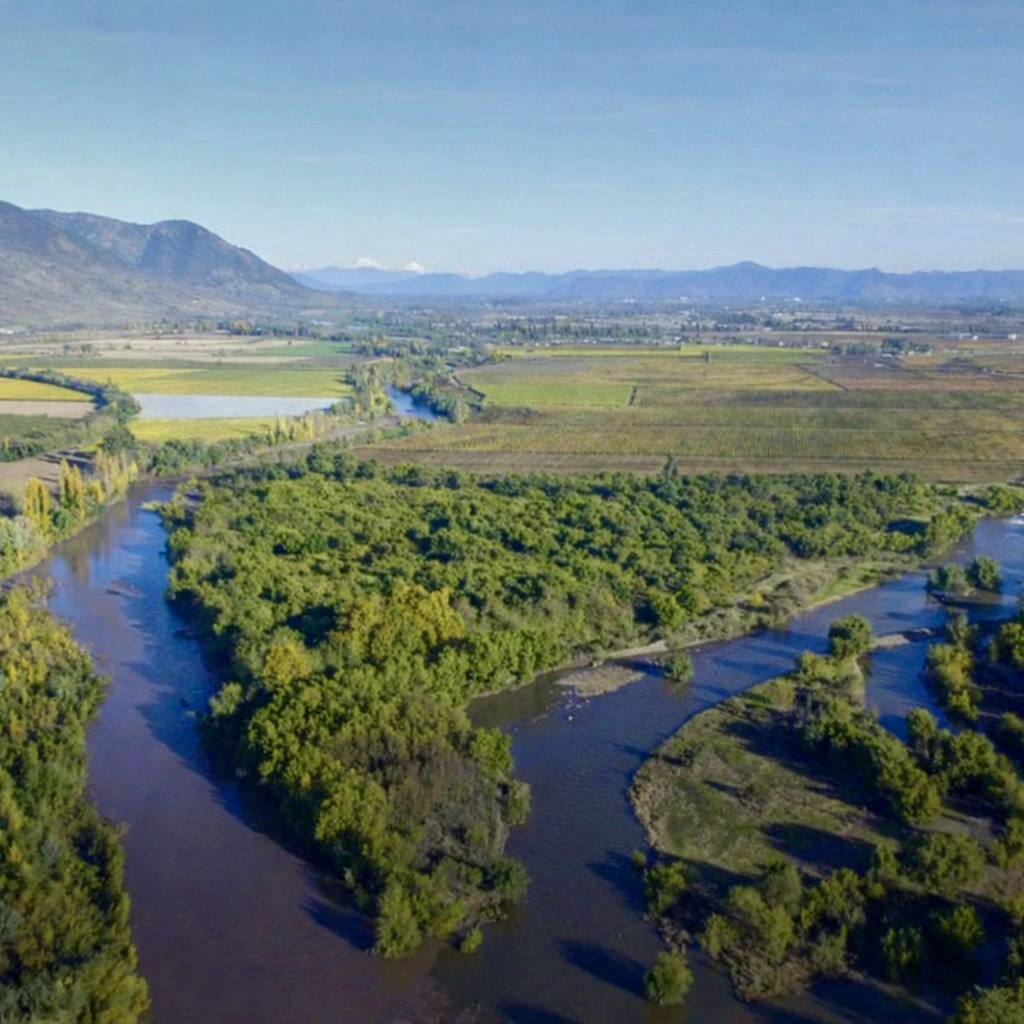
In the Apalta Valley, winemakers think in seventeen distinct micro-terroirs, treating a single hillside as dozens of separate decisions rather than one vineyard. In Cachapoal, two brothers gave up careers in law and architecture to finish a dream their father never lived to see completed. And in Colchagua, an estate sits inside a rare oasis formed by two rivers, its wines carrying a freshness that stands apart from the rest of the valley.

Spoken Wines has spent time with the people behind these stories: the technical director who thinks in thousands of small decisions rather than one big one, and the sons who built a winery out of loyalty as much as ambition. These are the wines that make the case for Chile beyond the bottle everyone already recognizes.

I dreamed of sitting at a long table, toasting with the great connoisseurs of wine, our glasses filled with mountains of aromas, flavors, and taste.

Don Amado Paredes

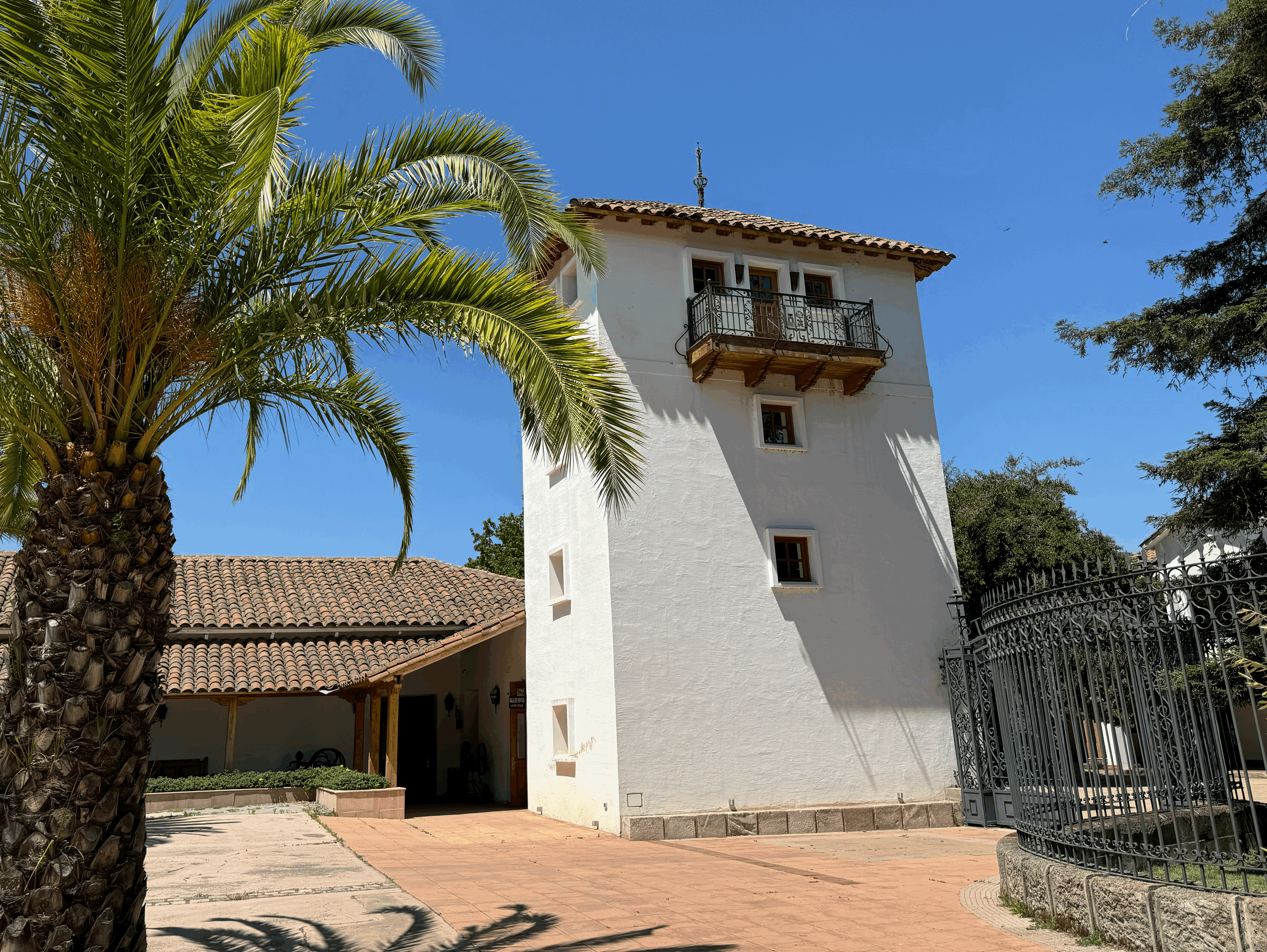
Torreón de Paredes

Founder

Featured wineries

Chile

Apalta Valley, Colchagua Valley

Clos Apalta

From above, Clos Apalta appears to be one vineyard tucked into the horseshoe-shaped hills of Chile’s Apalta Valley. Spend time with the people who work here, however, and the landscape begins to break apart into dozens of distinct expressions. Alexandra Marnier Lapostolle and her husband, Cyril de Bournet, discovered Apalta in 1994 while searching the world for an exceptional place to make wine. They found century-old vines, granitic hillsides, cooling influences from the Pacific and a landscape whose complexity rewarded the French belief in terroir they brought with them. Today, Technical Director and winemaker Andrea León identifies approximately 17 micro-terroirs within the estate. During harvest, those differences are refined even further into smaller polygons based on soil, vigor, ripening and the conditions of that particular season. By the end of harvest, the cellar may hold around 80 individual wines. That precision helped us understand what makes Clos Apalta memorable. The goal is not to make the vineyard more uniform. It is to understand its differences well enough to protect them, then patiently bring those individual voices together in the final blend, a highly awarded Masterpiece.

Chile

Apalta Valley, Colchagua Valley

Clos Apalta

From above, Clos Apalta appears to be one vineyard tucked into the horseshoe-shaped hills of Chile’s Apalta Valley. Spend time with the people who work here, however, and the landscape begins to break apart into dozens of distinct expressions. Alexandra Marnier Lapostolle and her husband, Cyril de Bournet, discovered Apalta in 1994 while searching the world for an exceptional place to make wine. They found century-old vines, granitic hillsides, cooling influences from the Pacific and a landscape whose complexity rewarded the French belief in terroir they brought with them. Today, Technical Director and winemaker Andrea León identifies approximately 17 micro-terroirs within the estate. During harvest, those differences are refined even further into smaller polygons based on soil, vigor, ripening and the conditions of that particular season. By the end of harvest, the cellar may hold around 80 individual wines. That precision helped us understand what makes Clos Apalta memorable. The goal is not to make the vineyard more uniform. It is to understand its differences well enough to protect them, then patiently bring those individual voices together in the final blend, a highly awarded Masterpiece.

Frequently asked questions

What wine regions does Spoken Wines cover in Chile?

Our current coverage centers on Colchagua and Cachapoal, including Apalta within the Colchagua Valley.

What makes Chilean wine distinct from other South American wine?

The Andes, Pacific influence, rivers, elevation, and varied soils create distinct growing conditions from one valley to another.

What grape should I know from these regions?

Begin with Carménère and Cabernet Sauvignon, then explore Cabernet Franc and Chilean red blends.

Where can I buy these wines?

Explore the Spoken Wines featured wine collection or follow the links provided in our individual winery stories. Availability varies by country.

From Vineyard to Inbox

Subscribe to our newsletter

created by ineffable

© 2024 Spoken Wines

© 2024 Spoken Wines