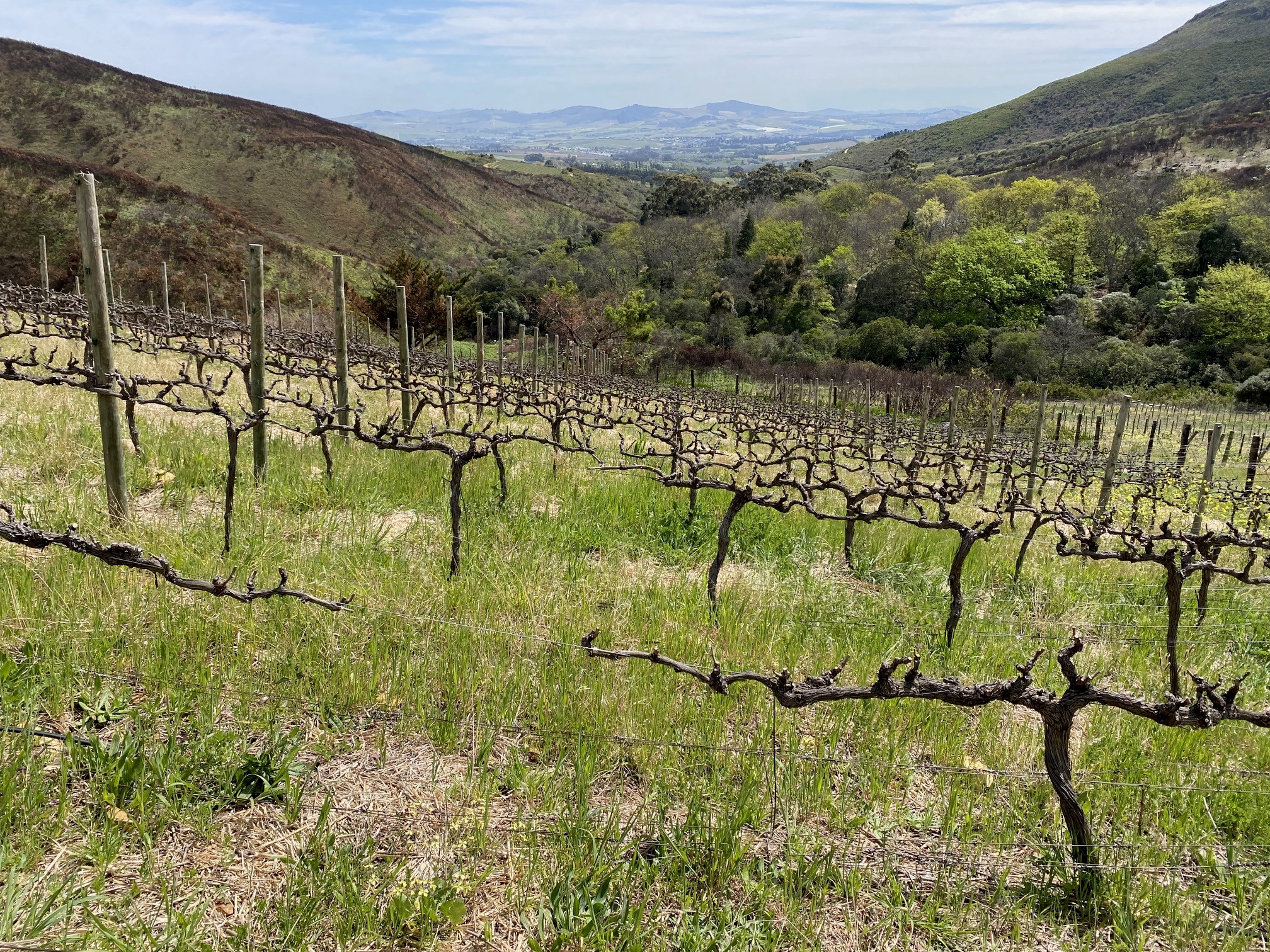
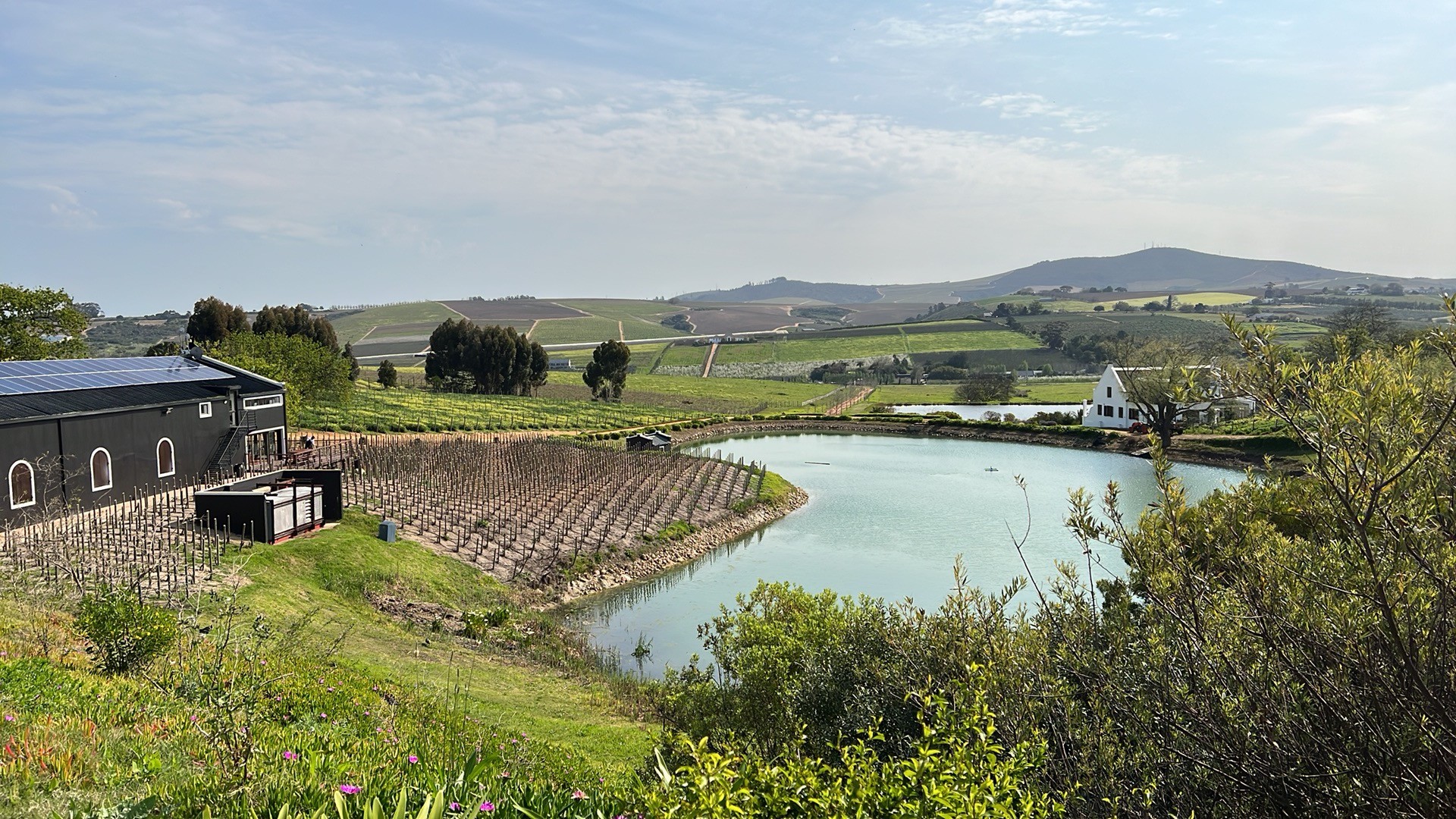
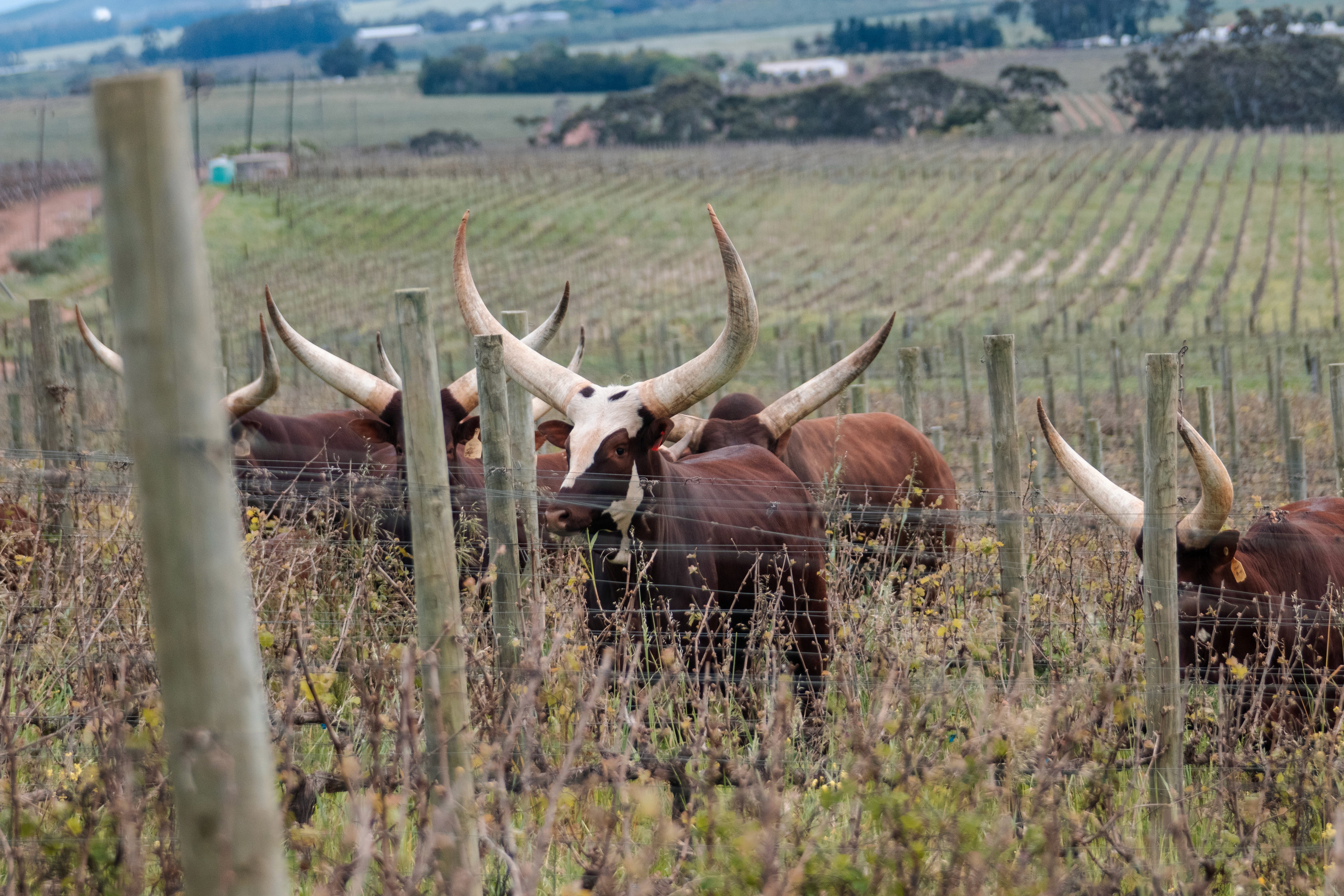
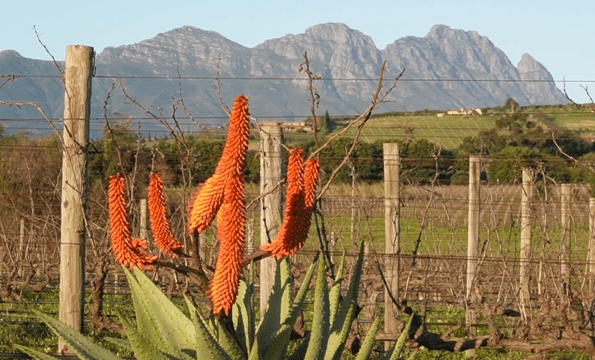
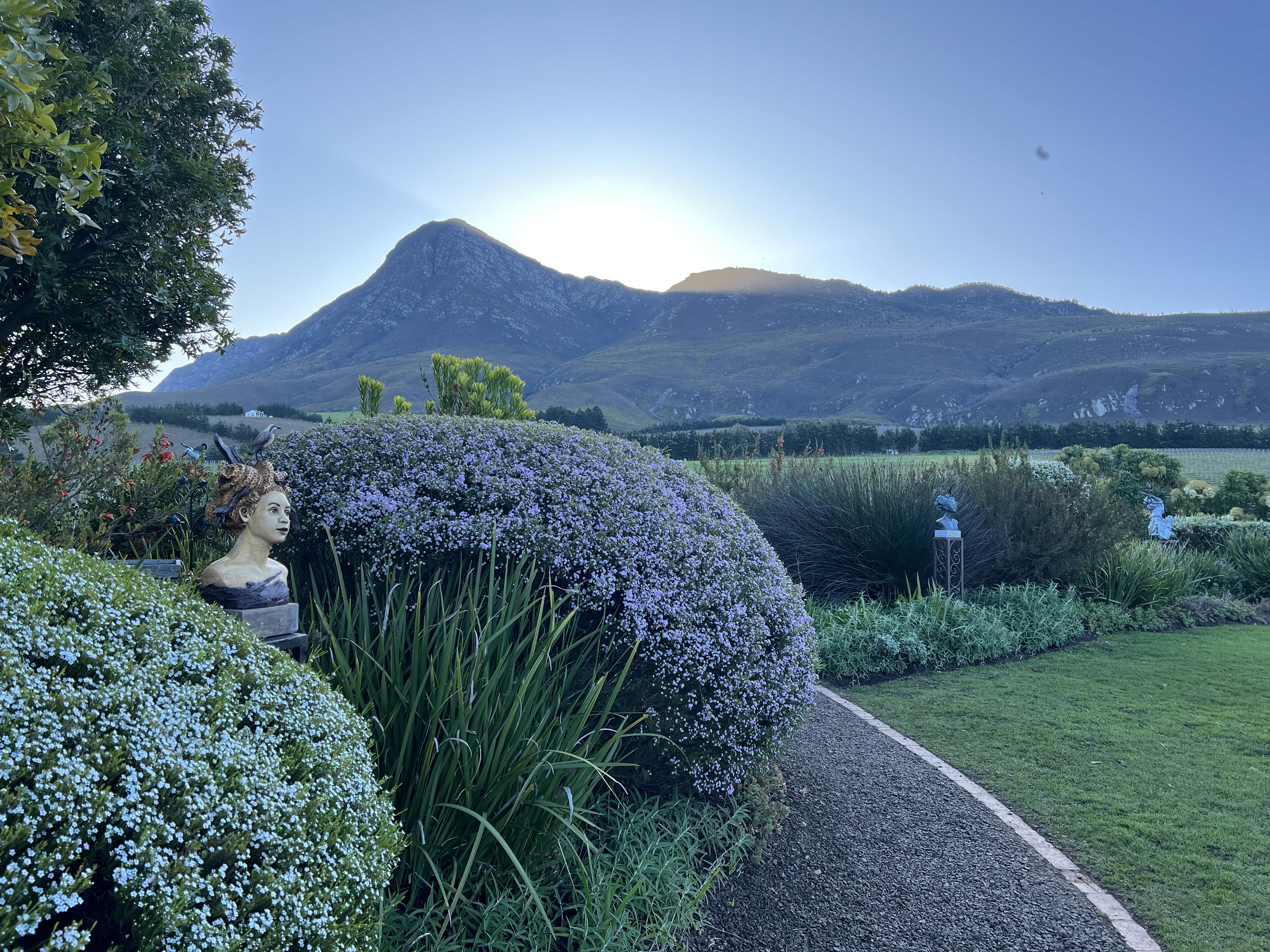
South African wine is shaped by ancient mountains, cool ocean air, dry summers, winter rainfall, and a remarkable variety of landscapes.
In Stellenbosch and Paarl, mountain valleys and warm, dry conditions help create structured reds with depth and concentration. In cooler coastal areas such as Hemel-en-Aarde, ocean influence supports fresh, elegant Chardonnay and Pinot Noir. Across the Cape, changes in elevation, slope, wind, rainfall, and soil can produce noticeably different wines within a relatively short distance.
The region's geology is equally important. Granite, sandstone, shale, and other ancient soils create distinct growing conditions, while lower fertility can encourage vines to produce smaller, concentrated fruit. But South African wine is about more than geology. It is also a story of farming families, winemakers, vineyard workers, biodiversity, heritage, and the people shaping the future of the Cape.
South Africa is known for Pinotage, but its wine culture extends far beyond one grape. Cabernet Sauvignon, Syrah, Chenin Blanc, Sauvignon Blanc, Chardonnay, Pinot Noir, and Bordeaux-style blends all reveal different sides of the country.
The wineries and stories gathered here are invitations to explore that diversity. Each one offers another way to understand how South Africa's landscapes become wine.
“
I'm starting from scratch with the bare earth, and designing a wine from the ground up.
David de Trafford
de Trafford
Winemaker and Owner
Featured wineries
More hidden gems
See more stories
Frequently asked questions
What wine regions does Spoken Wines cover in South Africa?
Our South African coverage begins with the Cape Winelands, including Stellenbosch, Paarl, and nearby coastal and mountain regions. We also explore places such as Hemel-en-Aarde and Walker Bay, where cooler ocean influence creates a different expression of South African wine. As our coverage grows, we will continue adding wineries and regions that reveal the country's geographic and stylistic diversity.
Why is South Africa such an interesting wine country?
South Africa brings together ancient soils, varied elevations, mountain valleys, ocean influence, and a long history of grape growing. Vineyards can experience very different conditions from one valley or coastline to the next, allowing the country to produce everything from structured Cabernet Sauvignon and Bordeaux-style blends to fresh Chardonnay, Pinot Noir, Chenin Blanc, and distinctive Pinotage.
What makes South African soil different from other wine regions?
There is no single South African soil type. The Cape includes granite, sandstone, shale, and other ancient geological formations, often within complex mountain landscapes. These differences influence drainage, water availability, vine vigor, and the way grapes ripen. Soil is not the only factor, but it helps explain why wines from different South African regions can taste so distinct.
How does the ocean influence South African wine?
The Atlantic and Indian oceans moderate temperatures in many coastal vineyards. Cool air and ocean winds can slow ripening, preserve acidity, and help create wines with freshness and aromatic detail. The effect varies by location, so coastal South African wines do not all taste alike, but ocean influence is an important part of regions such as Hemel-en-Aarde and Walker Bay.
What grapes should I know from South Africa?
Pinotage is South Africa's signature grape, created by crossing Pinot Noir and Cinsault. But the country is also highly regarded for Chenin Blanc, Cabernet Sauvignon, Syrah, Sauvignon Blanc, Chardonnay, Pinot Noir, and Bordeaux-style blends. Chenin Blanc is particularly important because it can produce everything from fresh, approachable wines to complex, age-worthy bottles.
What does South African Pinotage taste like?
Pinotage can vary widely depending on where it is grown and how it is made. It may show dark fruit, plum, spice, smoke, earthy notes, or a savory character. Modern producers often focus on freshness, balance, and texture, making Pinotage more varied and refined than its reputation sometimes suggests.
Why do South African red wines often have so much structure?
Warm sunlight helps grapes ripen, while mountain elevations, cool nights, ocean winds, and dry conditions can help preserve acidity and shape tannin. The combination can produce reds with concentration and depth without relying only on high alcohol or heavy oak. The balance depends on the region, vintage, grape, and winemaker.
Where can I buy South African wines?
Availability varies by state, country, vintage, and retailer. Use the individual wine pages on Spoken Wines when available, or check the producer's official website for current information and local distribution. A winery's presence on this page does not guarantee that every wine is available in every market.

From Vineyard to Inbox
Subscribe to our newsletter