
Italian Wine: Where Every Region Tells a Different Story
Explore Italy's landscapes, traditions, and people through the wines that make each region distinct.
Italian wine is not one style, one grape, or one landscape. It is a collection of regions shaped by mountains, coastlines, volcanic soil, rolling hills, and centuries of local tradition.
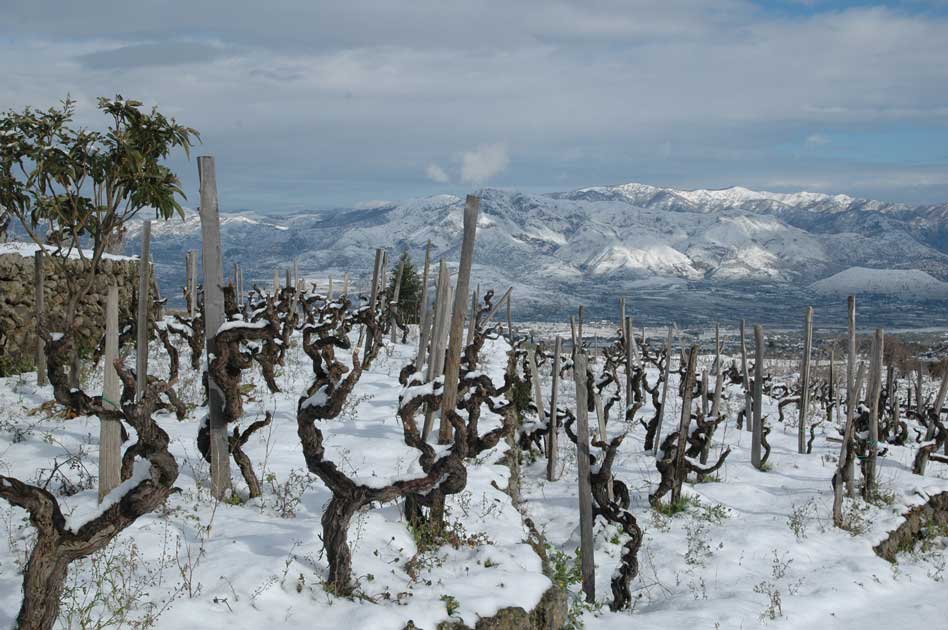
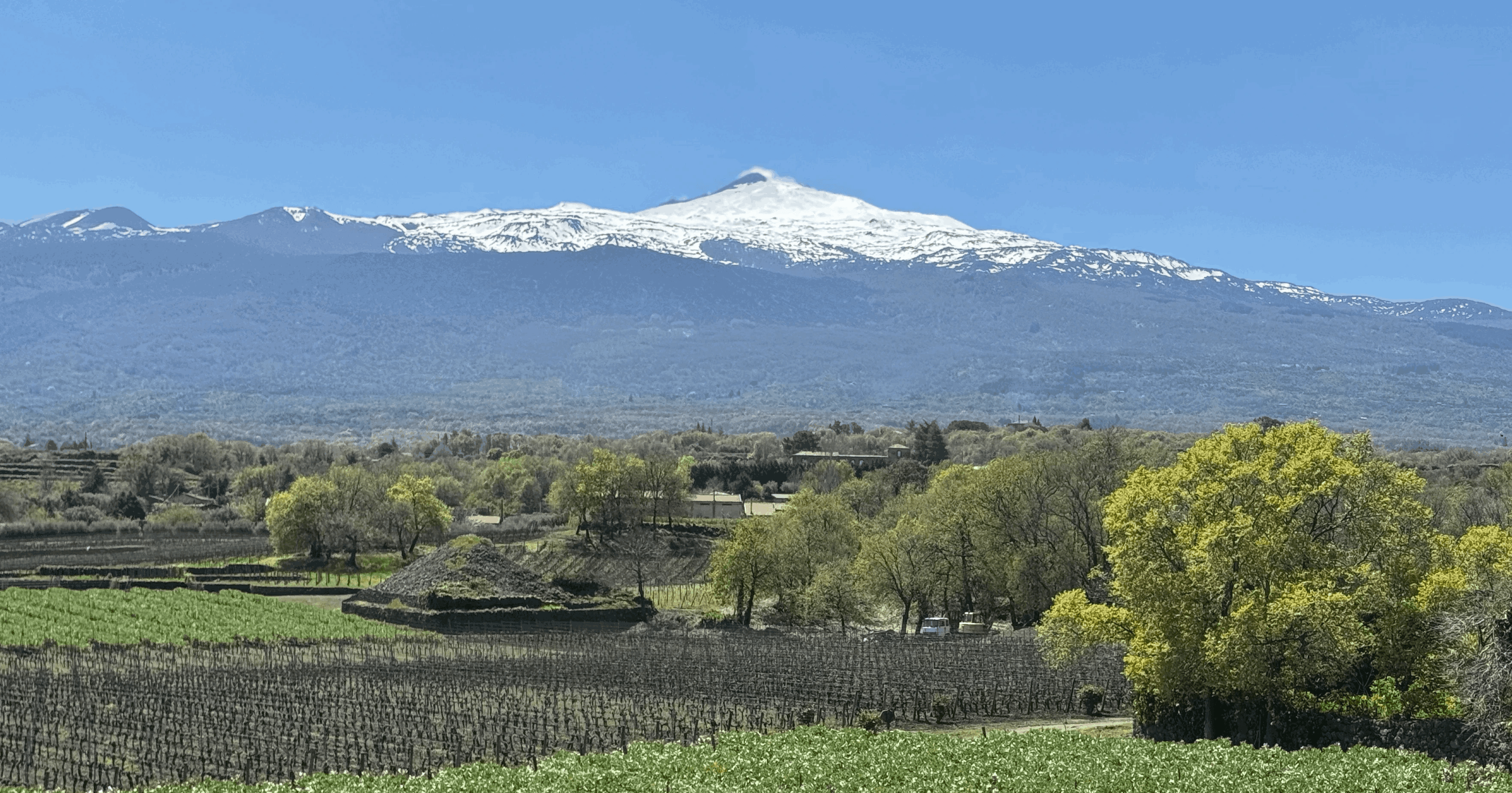
From the lava-layered slopes of Mount Etna to the vineyards of Tuscany, the land leaves a clear mark on the wine. Volcanic soils can bring freshness, energy, and savory mineral character. Hillside vineyards can create structure and elegance. Coastal breezes, changing elevations, native grapes, and family traditions all add another layer to the story.
That variety is what makes Italy so rewarding to explore. Chianti and Pinot Grigio may be familiar starting points, but they are only the beginning. Italy is also home to Etna Rosso, Barolo, Amarone, Nero d'Avola, Brunello, Vino Nobile and countless regional expressions that may never appear on a standard restaurant list.
The wineries and stories gathered here offer invitations into that diversity. Each one reveals another way how the locals connect wine to place, history, creativity, and everyday life.
“
The volcano teaches you to respect the land, to be patient, and to listen.
Giovanni Salvo
Al-Cantàra
Assistant Winemaker
Featured wineries

More hidden gems


See more stories
Frequently asked questions
What wine regions does Spoken Wines cover in Italy?
Our Italy stories currently explore Tuscany, Valpolicella, Piedmont, Sicily—especially Mount Etna—and Alto Adige. Together, these regions introduce you to Sangiovese, Amarone, Nebbiolo, volcanic wines, and vibrant alpine whites. We also feature stories from other parts of Italy, including Sicily's coastal wine country. Our coverage will continue to grow as we visit and feature more producers and regions.
Which Italian wine region should I explore first?
Start with the region that matches the wines you already enjoy. Tuscany is an approachable first step if you like flavorful, food-friendly reds such as Chianti Classico or Vino Nobile di Montepulciano. Choose Valpolicella if you want something richer and more layered, Piedmont if you are ready for structured and age-worthy Nebbiolo, Mount Etna if you want energy and volcanic character, or Alto Adige if you prefer fresh, precise white wines.
What makes Italian wine regions so different from one another?
Italy's wines are shaped by dramatic changes in mountains, elevation, coastlines, volcanic soils, climate, native grapes, food traditions, and farming history. A wine from Tuscany can feel completely different from one made on Mount Etna or in the high vineyards of Alto Adige. That is why Italian wine is best understood through people and place rather than by memorizing every appellation.
Why is Mount Etna wine considered so distinctive?
Mount Etna's vineyards are shaped by lava flows, ash, altitude, wind, and large temperature shifts between day and night. These conditions help produce wines with freshness, energy, mineral character, and a strong sense of individual vineyard sites. Nerello Mascalese is the leading red grape, and the region is sometimes compared to Burgundy because different slopes and contrade can produce noticeably different expressions of place.
What grape varieties should I know from Italy?
A useful starting point is Sangiovese from Tuscany, Nebbiolo from Piedmont, Corvina from Valpolicella, and Nerello Mascalese from Mount Etna. For white wine, explore Sylvaner and Pinot Noir from Alto Adige, as well as Etna Bianco, Soave, Verdicchio, and Friuli's regional whites. Italy also has countless local grapes, which is part of what makes exploring the country so rewarding.
What is the difference between Barolo and Barbaresco?
Both Barolo and Barbaresco are made from Nebbiolo in Piedmont, but they often express the grape differently. Barolo is generally more structured and powerful, with firm tannins and significant aging potential. Barbaresco can feel more lifted and elegant, although both wines can be complex, age-worthy, and deeply expressive. If you are new to Nebbiolo, give the wine time in the glass, it often reveals more with patience.
How do I know which Italian wine to buy if I am unfamiliar with the regions?
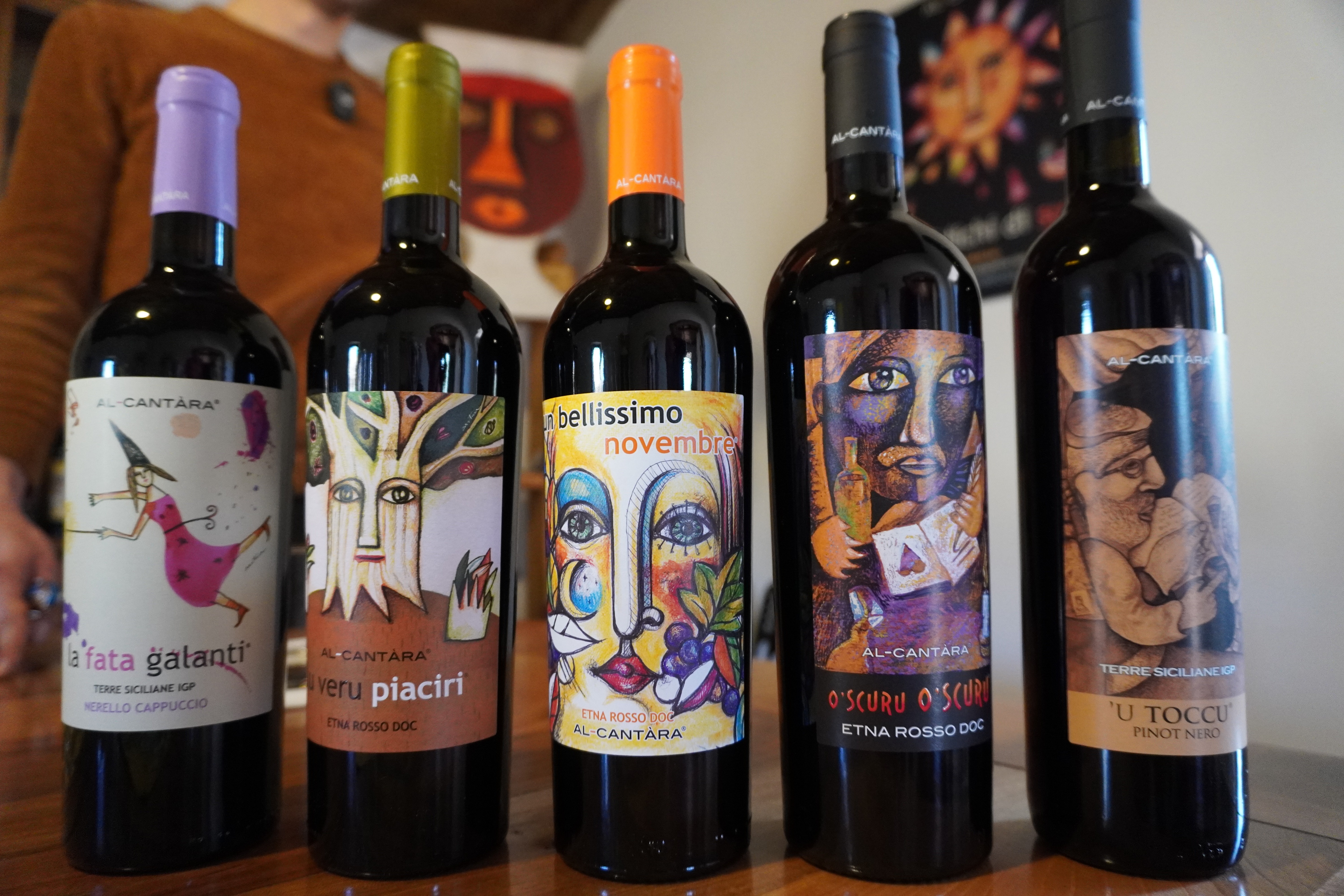
Begin with the moment: consider what you are cooking, whether you want something to enjoy now or age, and whether you prefer a lighter, fresher wine or something richer and more structured. Then use the region as your guide: Tuscany for approachable food-friendly reds, Valpolicella for Amarone and depth, Piedmont for Nebbiolo, Mount Etna for volcanic energy, and Alto Adige for vibrant mountain whites. Producer names such as Rocca delle Macìe, Campagnola, Masi, Attilio Ghisolfi, Giuseppe Cortese, Tenuta delle Terre Nere, Al-Cantàra, Abbazia di Novacella, and Daniel Sigmund are useful places to begin because they are producers we have personally visited or tasted with.

From Vineyard to Inbox
Subscribe to our newsletter