Why Visit Altieri Family Winery in Mendoza? The Story of the Three Marías
At Altieri Family Winery in Luján de Cuyo, three women carry a family wine tradition from historic concrete vats into precision viticulture.
Jan de Weerd - Spoken Wines
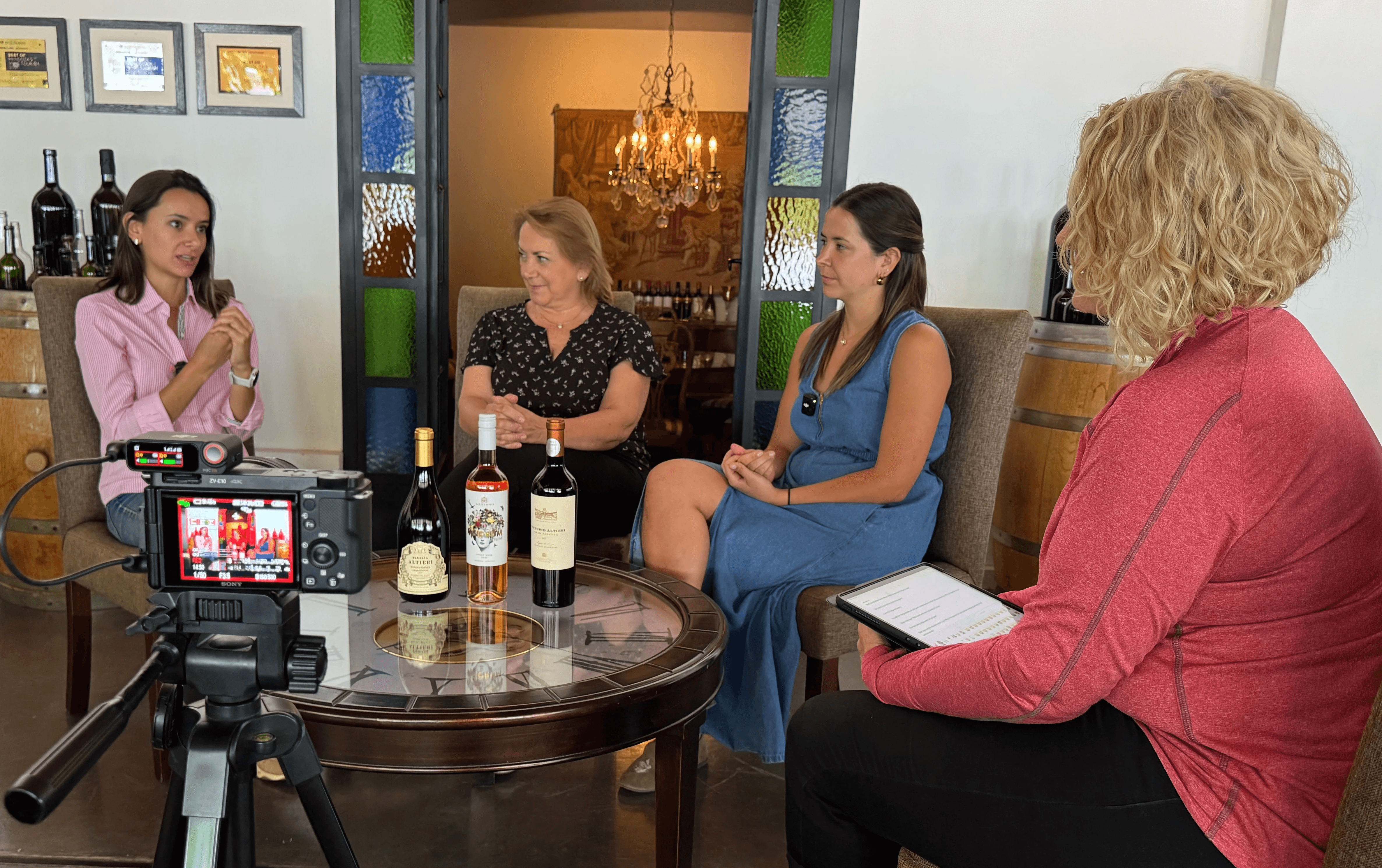
This will hide itself!
Some Mendoza wineries draw you in with dramatic mountain views. Others make an impression through their architecture, their wines, or the people who welcome you.
At Altieri Family Winery in Perdriel, Luján de Cuyo, the experience comes from all three, but the heart of the story is a family of women carrying the winery forward.
Cecilia and her daughters, Angie and María, are the three women behind the family’s wines. Each carries the name María, although Cecilia and Angie are known by their other names. Together, they work across the vineyard, winery, and business to create wines rooted in Mendoza while using a precise, modern approach.
A walk through Mendoza’s winemaking past
The winery dates to 1890 and was built by Italian immigrants. Entering the grounds feels like stepping into an earlier chapter of Mendoza’s wine history.
The property includes a carefully arranged collection of historic winemaking tools and vineyard machinery, equipment that earlier generations used to grow grapes and make wine. The old concrete fermentation vats are particularly memorable. Walking through them gives visitors a physical sense of how wine was made before modern facilities and technology changed the process.
But the experience does not end in the past.
The tour leads from those immense concrete vats and historic spaces into Altieri’s modern production facility, where grapes are carefully graded, sorted, and processed.
That movement, from old cellar to modern winery, is what makes the visit so engaging. The family is not presenting tradition as a museum piece. They are showing how the past continues to inform the way they make wine today.
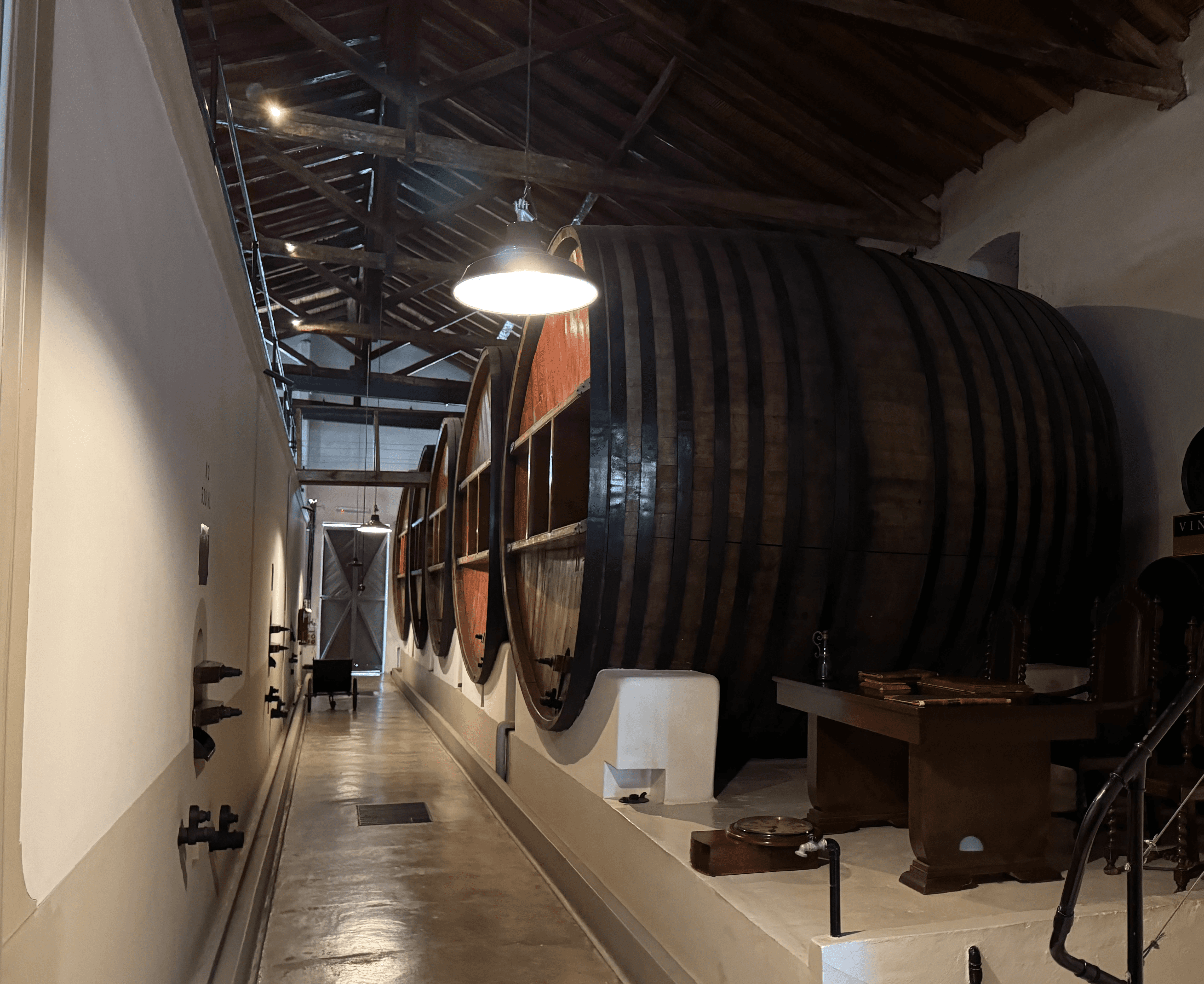
Taking a walk through immense concrete wine fermentation vats and historic barrel rooms
Precision viticulture at Altieri Family Winery
Altieri’s modern approach begins in the vineyard.
The family manages selected vineyard parcels separately throughout the growing season. Grapes are harvested by parcel and kept distinct through the early stages of winemaking so that the character of each site can be preserved.
At the winery, the grapes are macerated and fermented in small vats and stainless steel tanks. The wines are then aged in new and used French oak.
The wines are aged in new and used French oak to support the expression of each parcel while still reflecting its particular terroir and sense of place.
Angie, the family’s viticulturist, explained how the vineyard parcels are managed individually. That detail gave us a clearer understanding of the family’s approach: precision is being used to reveal differences in the land, not to erase them.
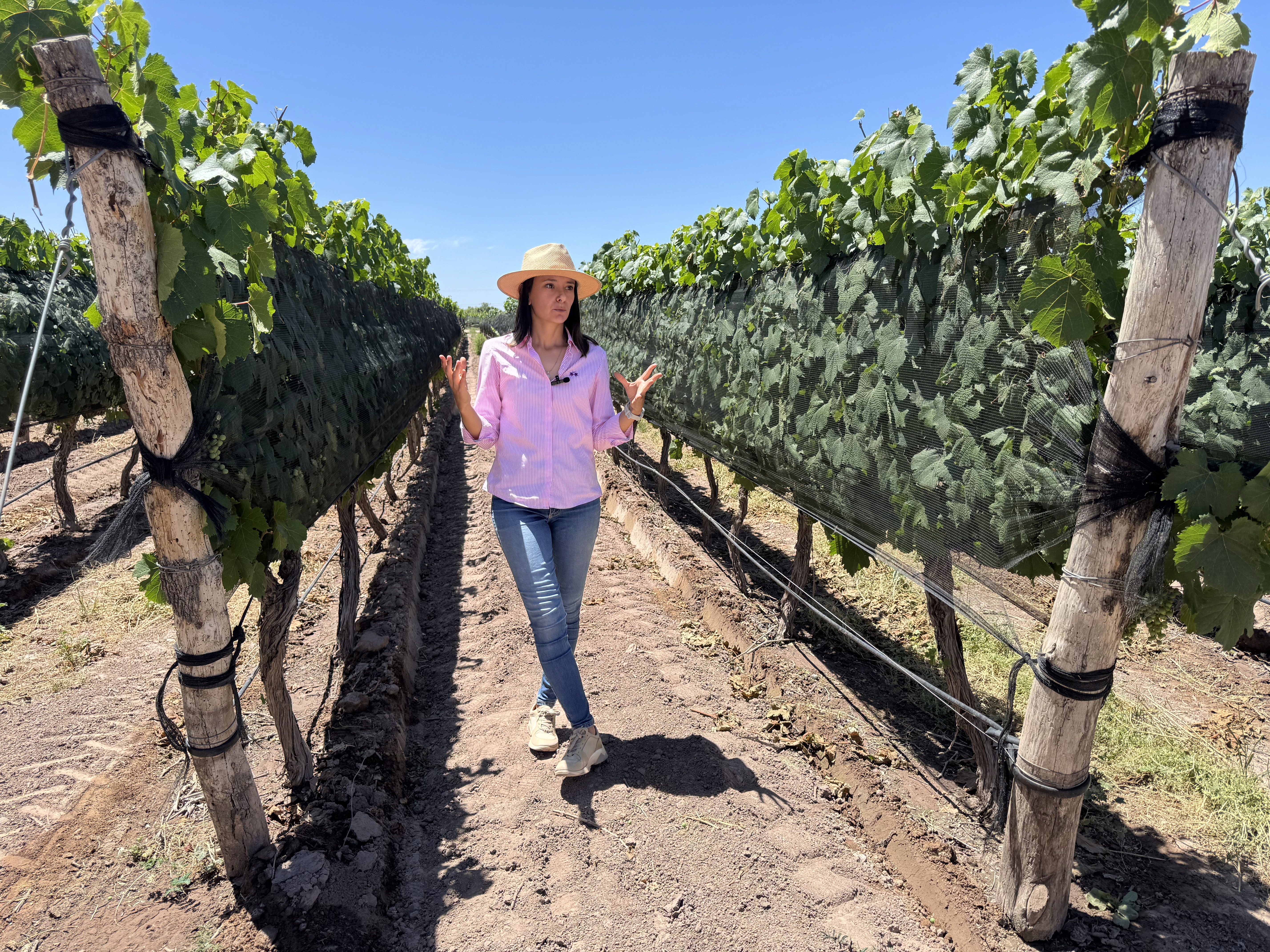
Angie, the viticulturist, explains that each parcel is managed separately throughout the season
What to taste first at Altieri
Malbec remains central to the wines of Luján de Cuyo, and the Victorio Altieri Malbec 2021 was one of the wines we particularly enjoyed.
We found it elegant but distinctive, with dark fruit character, fine grained tannins, and subtle vanilla from oak. It showed the depth expected from Mendoza Malbec while retaining a sense of polish and restraint.
Our favorite blend was the Château Brandsen 2021, made from Malbec, Syrah, and Cabernet Sauvignon. The combination created a bold, expressive wine in which the varieties worked together rather than competing for attention.
The three Marías also surprised us with a 2023 Chardonnay. It was aromatic and elegant, with a noticeable burst of flavor on the finish.
For a reader choosing a starting point, the Victorio Altieri Malbec is the clearest introduction to the winery’s Mendoza identity. The Château Brandsen shows how the family works with blends, while the Chardonnay demonstrates that Altieri’s wines extend beyond red varieties.
Why this visit matters
If you are planning a wine trip through Mendoza, Altieri Family Winery offers more than a tasting room. It gives you a way to see the region’s wine history in one place.
You can walk among the tools and concrete vats used by earlier generations, then see how the family works with modern sorting, small vessel fermentation, parcel by parcel harvesting, and French oak.
That continuity is what stayed with us. At Altieri, the past is not separate from the future. It is part of the family’s way of making wine.
The Three Marías Vineyard
To experience Altieri in person, visit the family’s wine-tourism page.
The current experience leads visitors through the historic architecture, the Museo de la Cultura del Vino, the family’s modern winemaking approach, and a tasting of Altieri wines. Because schedules and availability can change, arrange the visit directly with the winery. Its current tourism page provides WhatsApp contact at +54 9 261 559 6019.
For a bottle connected directly to our tasting, look for the Victorio Altieri Malbec 2021. The producer uses that name on its official cuvée page. The current U.S. retailer uses the expanded listing Familia Altieri Victorio Altieri Gran Reserva Malbec 2021.
The retailer currently shows the wine as available for U.S. purchase, but inventory is limited and the store requires a four-bottle minimum order. Confirm availability and shipping eligibility before ordering. This should be the article’s only purchase link.
Continue exploring Argentina through the Spoken Wines guide to Argentina’s wine regions. For a contrasting expression of Mendoza, read how altitude, mountain water, alluvial soils, and concrete shape Zuccardi’s Uco Valley wines.
Keep exploring wine with us.
Get firsthand reports from the world’s most remarkable wine regions.
Join the Spoken Wines newsletter.
More from this country

Argentina
Why Pulenta Estate's Wines Taste So Precise
Inside the family winery in Luján de Cuyo, Mendoza, Argentina
Argentina
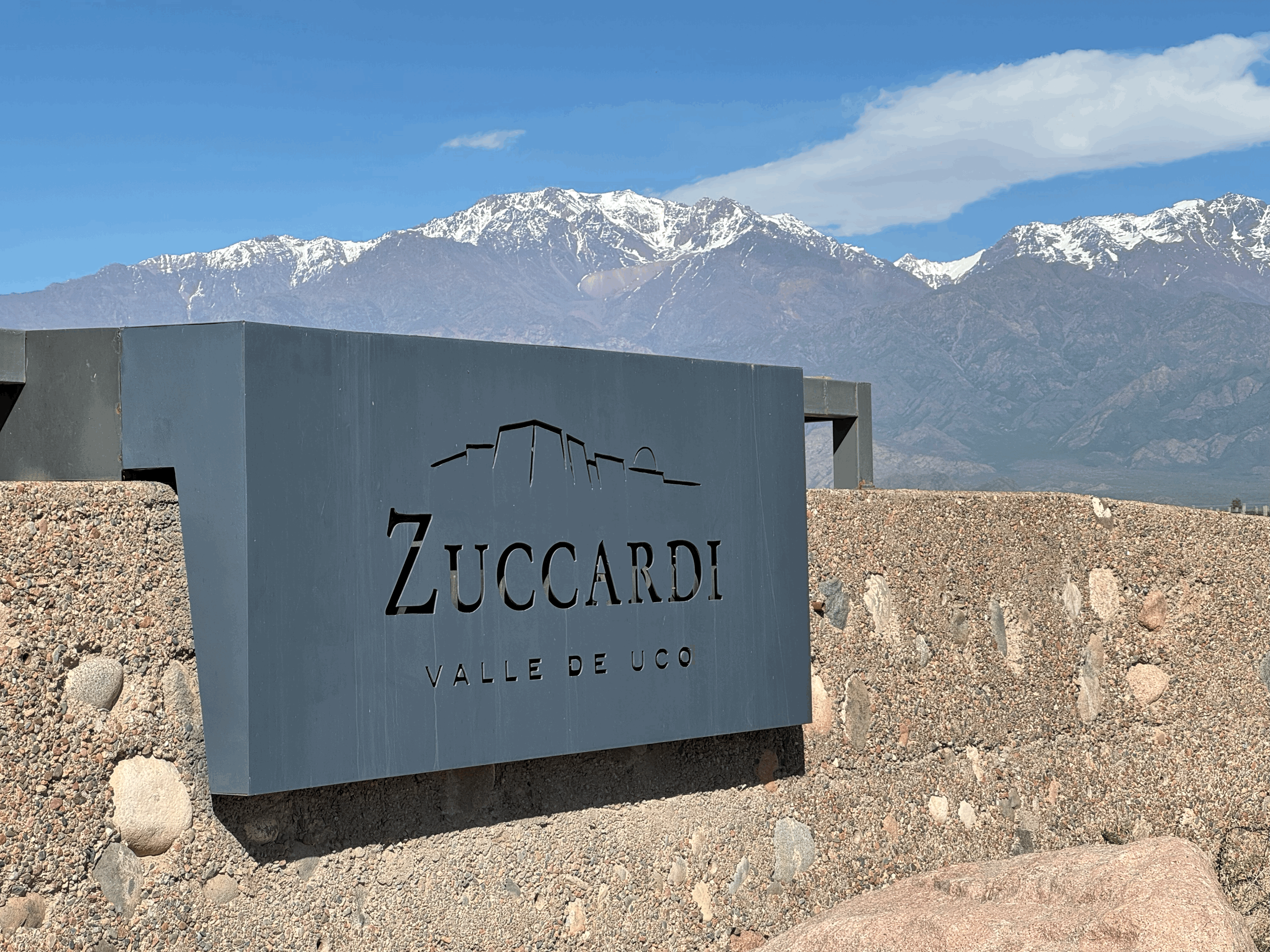
Why Does Zuccardi Wine Taste Like the Andes?
How mountain water, alluvial soils, precision viticulture, and concrete shape Zuccardi’s wines in Argentina’s Uco Valley.
Argentina
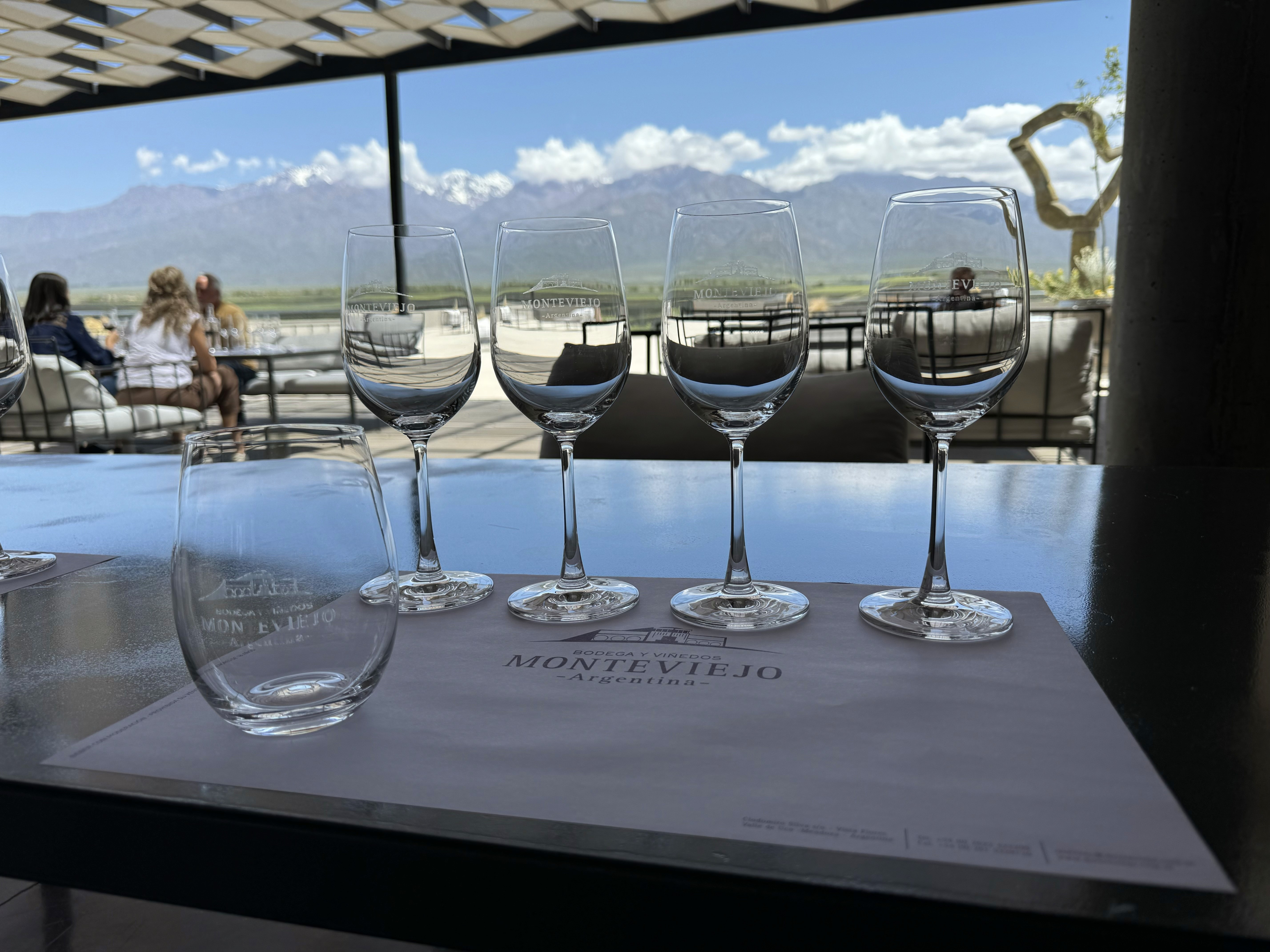
Monteviejo Linda Flor Malbec: Why the 2005 Vintage Stayed With Us
We first tasted Linda Flor 2005 by a mountain fire. Years later, we traveled to Monteviejo in Mendoza’s Uco Valley to understand the wine behind the memory.



From Vineyard to Inbox
Subscribe to our newsletter