
Argentine Wine: Where the Andes Become Wine
Explore the mountain landscapes, people, and wine regions shaping Argentina from Mendoza and beyond.
Argentina's wine story begins in the Andes.
Snowmelt from the mountains provides water for vineyards planted across some of the world's driest wine-growing landscapes. Rivers carry stones, sand, and minerals down from the peaks, forming the alluvial soils of regions such as Luján de Cuyo, Maipú, and the Uco Valley.
Altitude shapes the climate as well. Bright days help grapes ripen, while cold mountain nights preserve acidity, freshness, and aromatic detail. That combination gives many Argentine wines both generous fruit and a sense of structure and place.
Mendoza is the best-known expression of this landscape, but Argentina's wine identity extends well beyond Malbec. Cabernet Sauvignon, Cabernet Franc, Bonarda, Syrah, Torrontés, Chardonnay, and other varieties all reflect the regions and people who bring them to life.
The wineries and stories gathered here are invitations to explore that diversity. Each one reveals another way the Andes influence Argentina's vineyards, communities, and wines.
“
For us, the wine is the protagonist.
Javier
Pulenta Estate
Winemaker
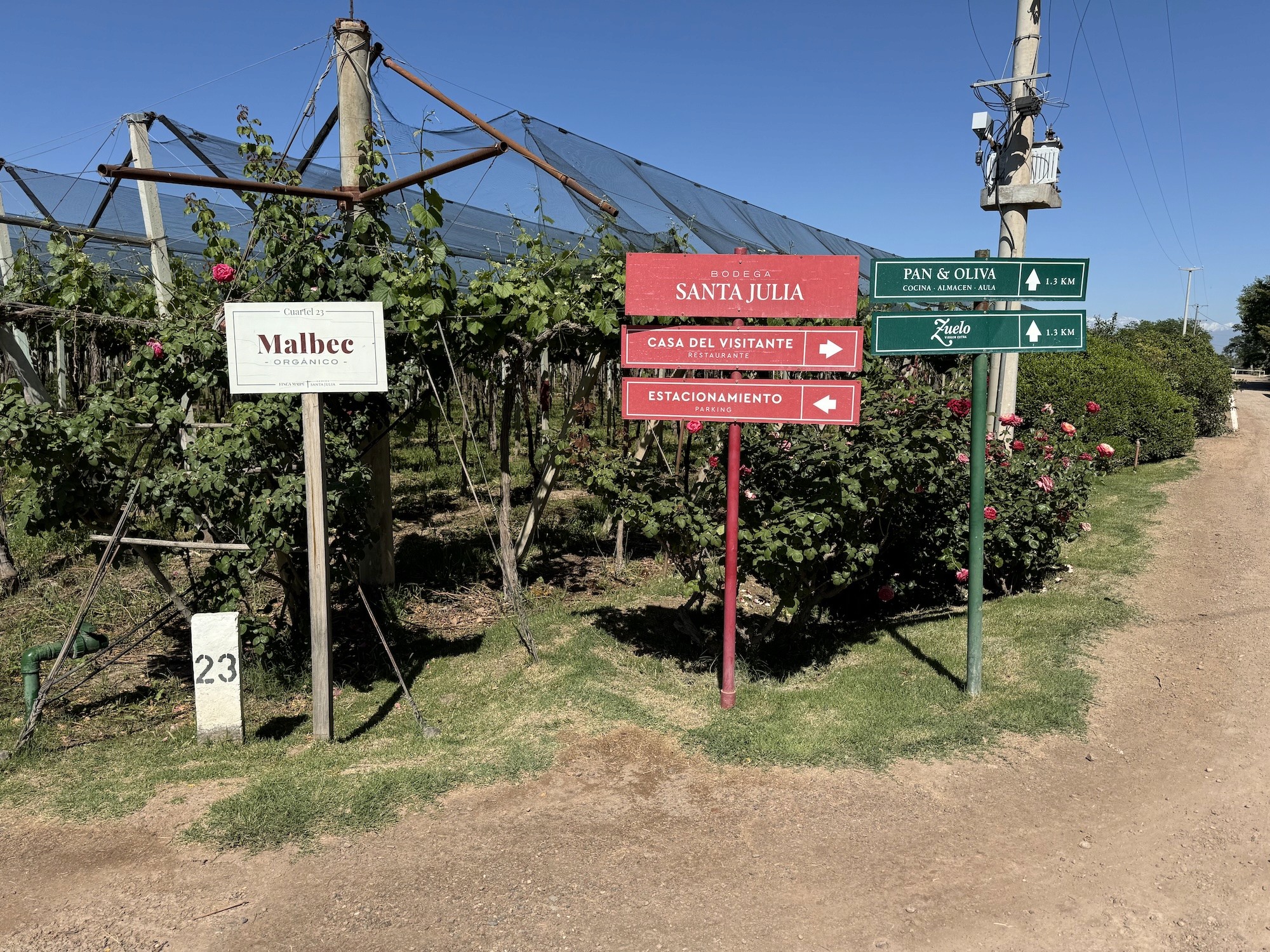
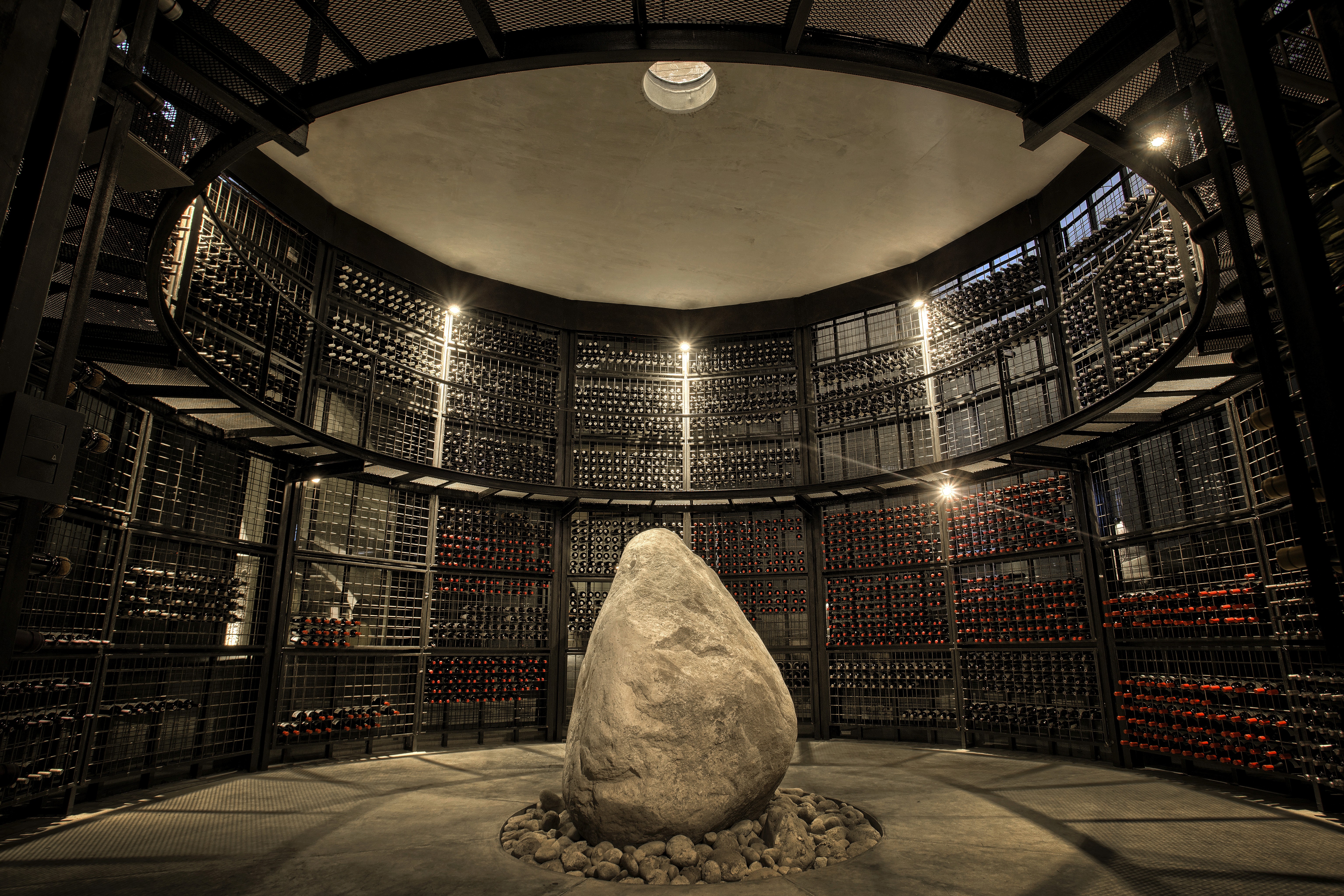
Featured wineries

Dig deeper in
Argentina
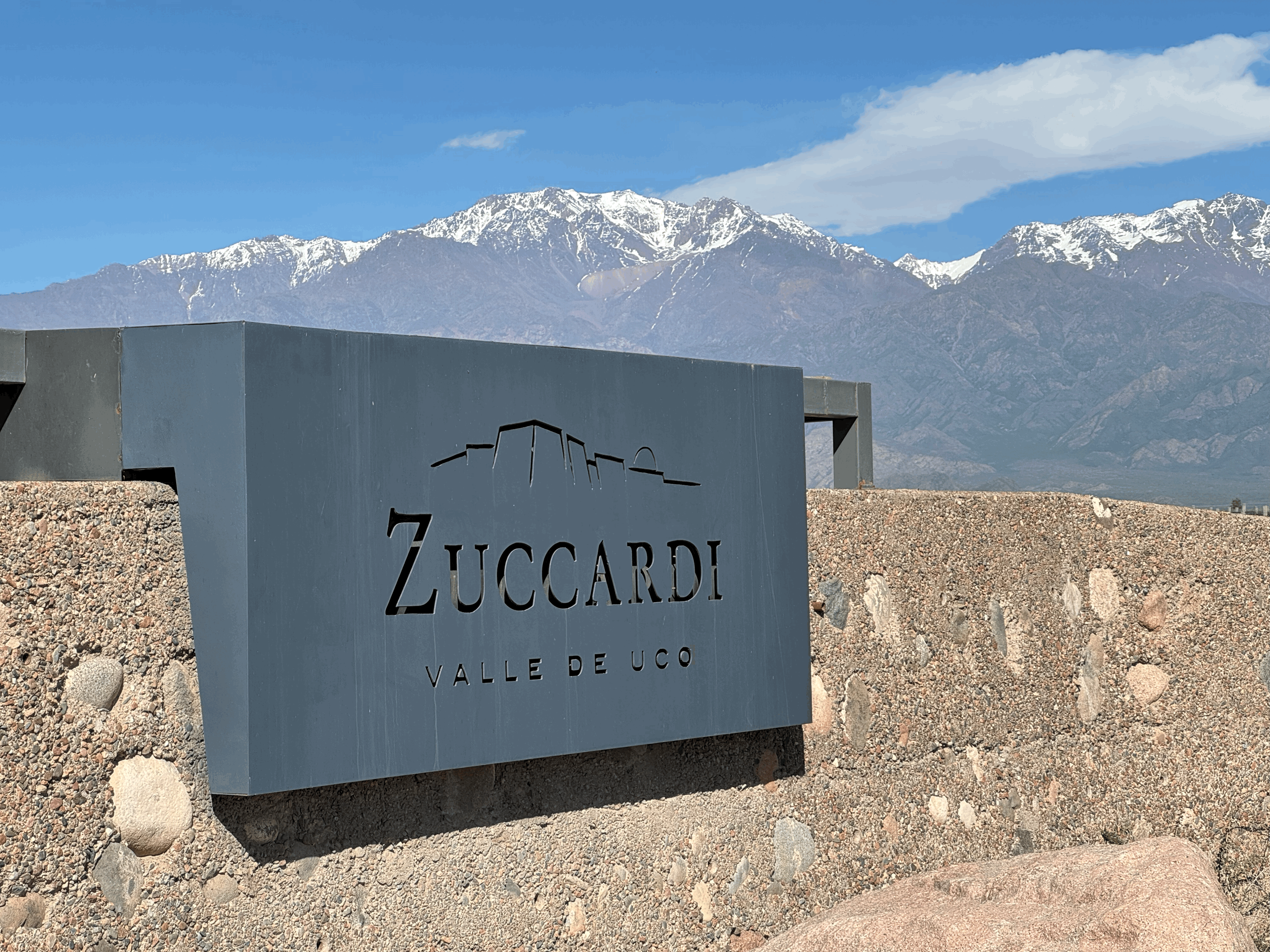
Why Does Zuccardi Wine Taste Like the Andes?
How mountain water, alluvial soils, precision viticulture, and concrete shape Zuccardi’s wines in Argentina’s Uco Valley.
Read story →
More hidden gems


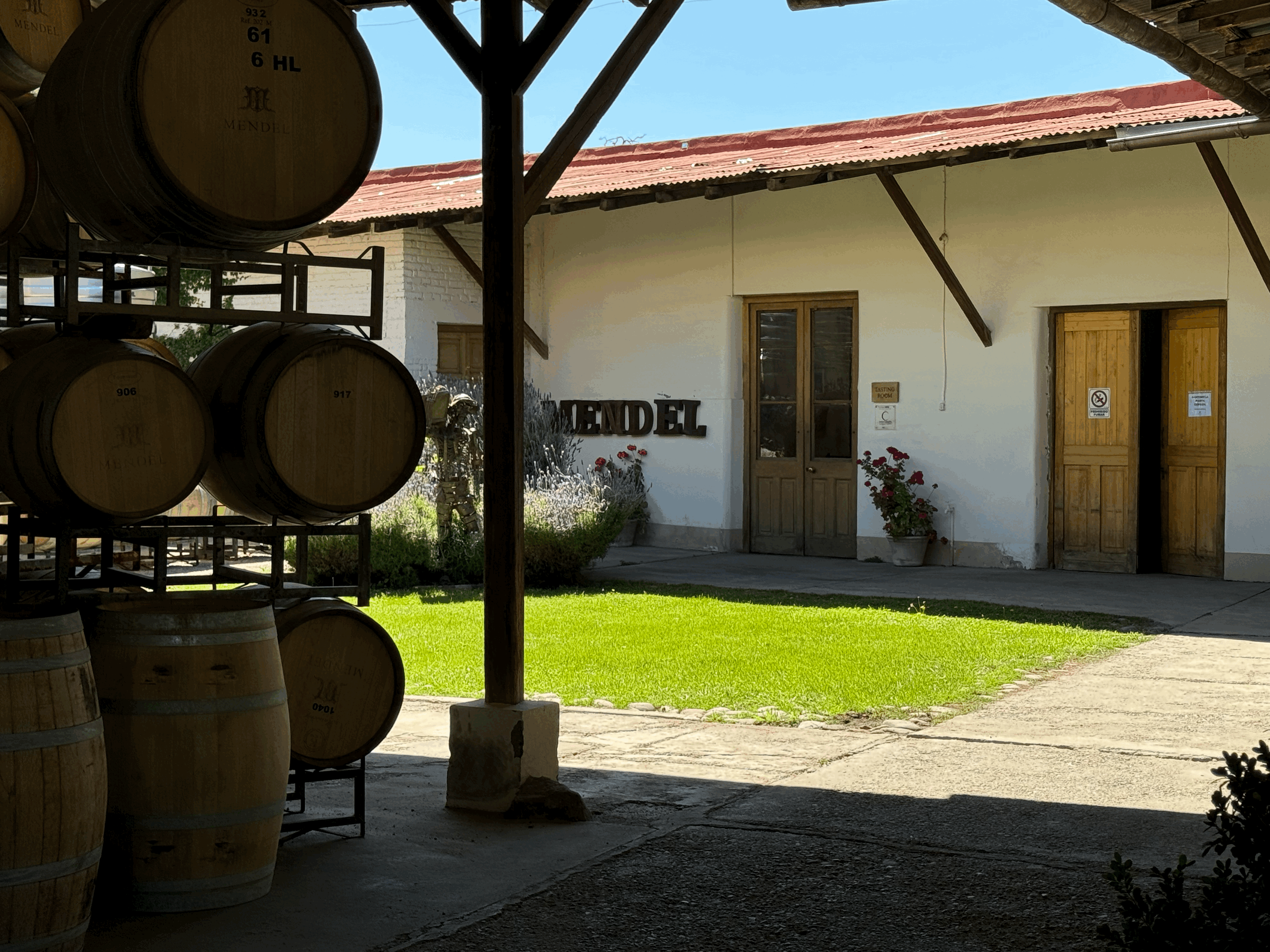
See more stories
Frequently asked questions
What wine region does Spoken Wines cover in Argentina?
Why does Argentine Malbec taste different from Malbec grown elsewhere?
Is Pulenta Estate really connected to Porsche?
What is the difference between Mendoza and the Uco Valley?
Which Argentine wine should I try first?
Are all Argentine wines Malbec?
Where can I buy these wines?

From Vineyard to Inbox
Subscribe to our newsletter