What Makes Bodegas Mendel's Malbec Special? 1928 Vines in Luján de Cuyo, Mendoza
Inside a historic Mendoza winery where old Malbec vines, high-altitude vineyards, and Roberto de la Mota's winemaking shape the character of Mendel wines.
Jan de Weerd - Spoken Wines
This will hide itself!
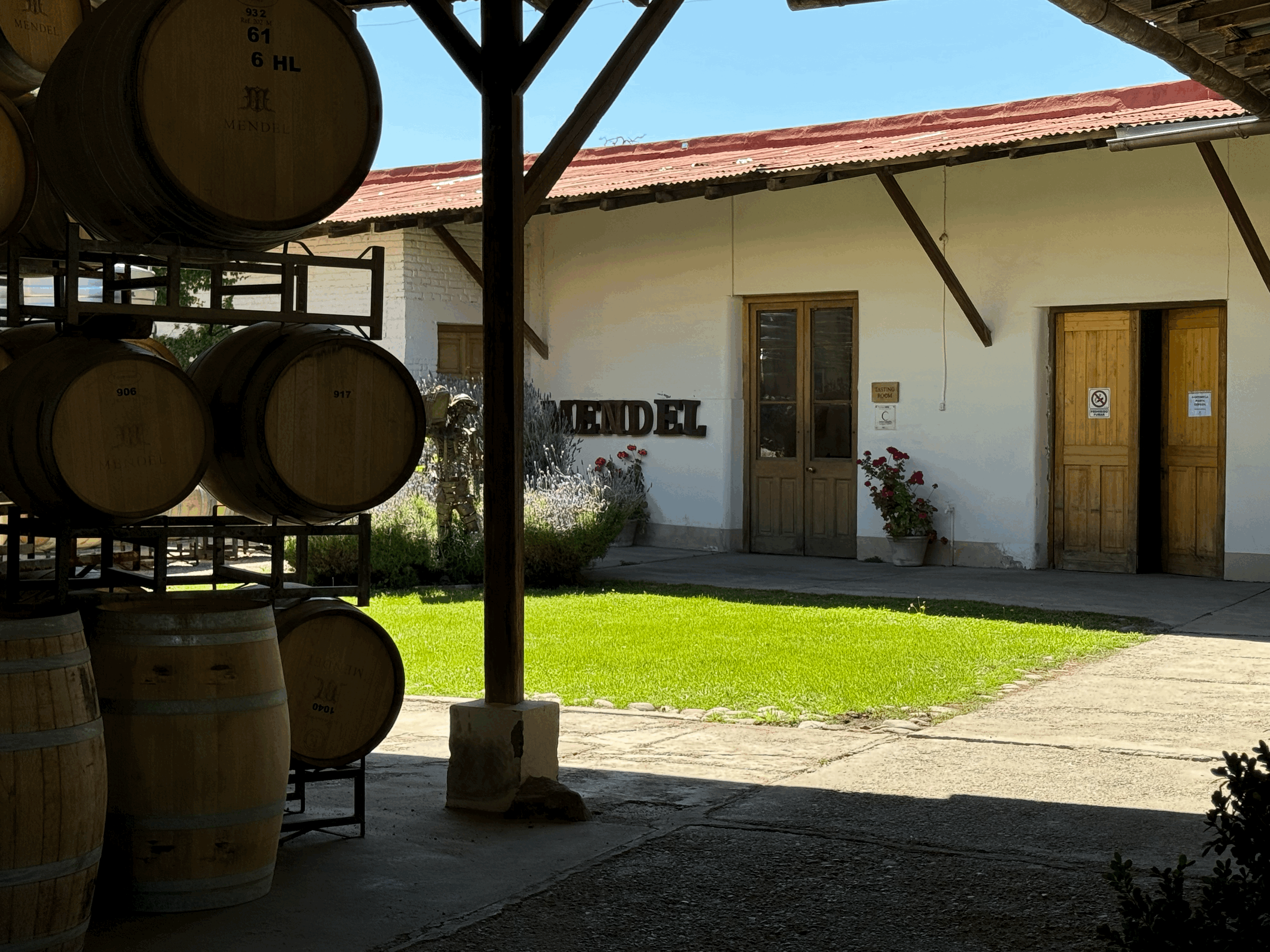
On our discovery tour through Mendoza’s wine country, we arrived at Bodegas Mendel in Luján de Cuyo intending simply to taste the wines and learn more about the winery. Then we stepped inside.
The original building, more than 110 years old, radiated such peace and calm that we changed our plans immediately and pulled out our cameras. There was something special here, and we wanted to see if we could capture it.
What makes Bodegas Mendel’s Malbec special begins with that connection between history and place. The winery stands beside Finca Mendel, where Malbec vines planted in 1928 grow in the Mayor Drummond district. Mendel also draws from high-altitude vineyards in Perdriel and Paraje Altamira, allowing winemaker Roberto de la Mota to work with distinct expressions of Mendoza’s landscape.
A Historic Winery Beside Malbec Vines Planted in 1928
The original winery is more than 110 years old and sits beside one of Argentina’s old Malbec vineyards. The vines at Finca Mendel were planted in 1928 in Mayor Drummond, part of the celebrated Luján de Cuyo wine region.
Mendel’s second estate vineyard, Finca de los Andes, lies nearby in Perdriel. Its vineyards sit at 1,000 meters, or approximately 3,300 feet, above sea level. The alluvial soils contain clay and stone, giving the vines drainage while contributing to the structure and concentration associated with this part of Mendoza.
For someone choosing a bottle, this is why the place on a Mendel label matters. Mayor Drummond, Perdriel, and Paraje Altamira are not interchangeable. Each site gives Roberto de la Mota different fruit and a different expression of Mendoza to work with.
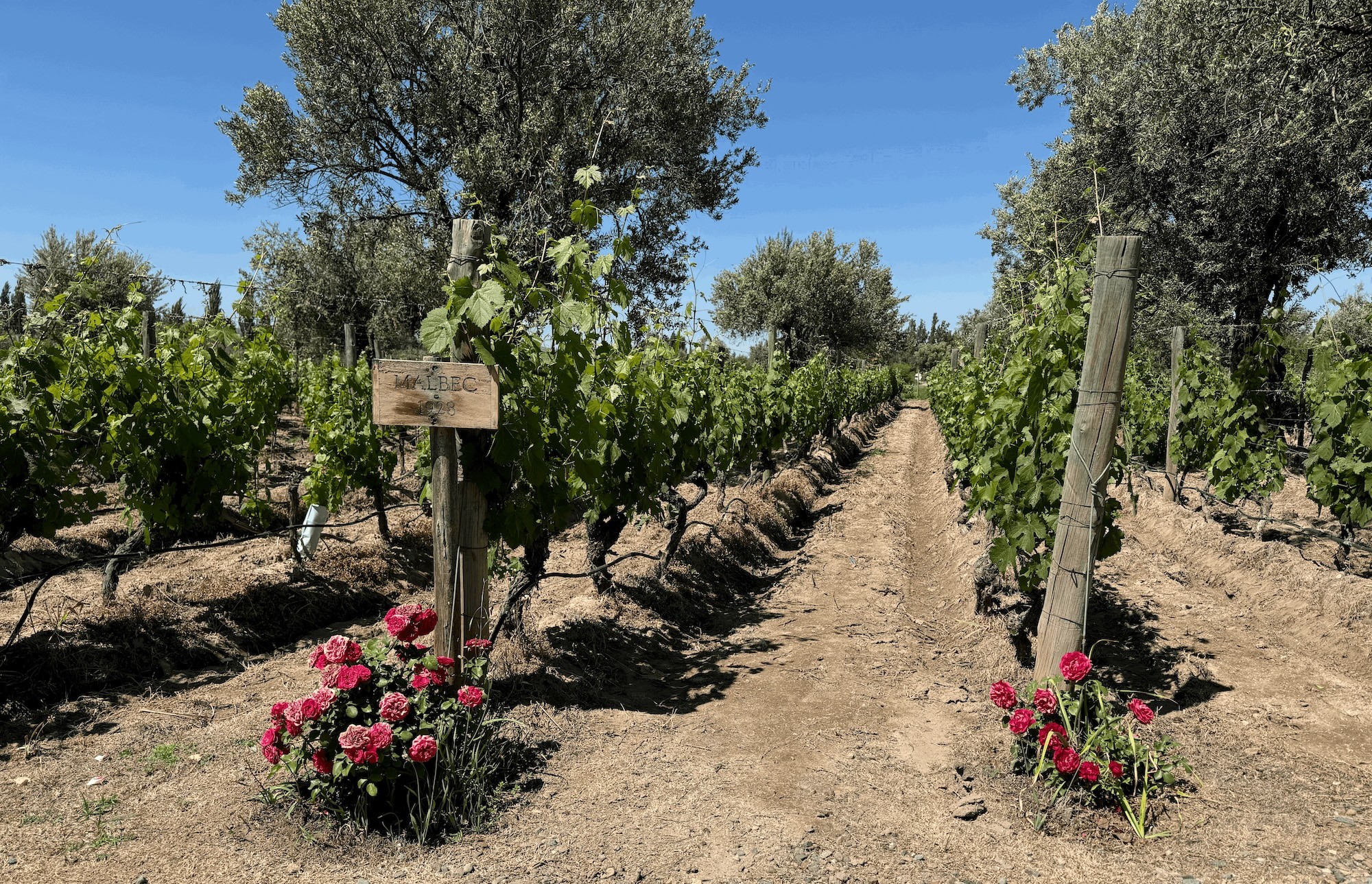
Finca Mendel’s old Malbec vines, planted in 1928 in Mayor Drummond, Luján de Cuyo.
How Mendel and Roberto de la Mota Came Together
The family owners established Mendel Wines with Roberto de la Mota in 2002. The winery was named Mendel after the given name of the owners’ father, not after Gregor Mendel, the Austrian monk associated with the laws of genetic inheritance. In case you were wondering, like I was. 😁
The partnership brought one of Argentina’s most respected and experienced winemakers to this historic property. Roberto learned winemaking from his father, Raúl de la Mota, before studying at the National University of Cuyo.
In 2024, Tim Atkin recognized Roberto as a Winemaking Legend, Medal of Excellence. At Mendel, that experience is expressed through a focus on old vineyards, distinct growing sites, and wines that remain true to their origins.
Three Vineyards, Three Expressions of Mendoza
Mendel works with fruit from three distinctly different vineyard properties.
Finca Mendel, beside the winery in Mayor Drummond, contains 10 hectares of Malbec planted in 1928.
Finca de los Andes is located in Perdriel. It includes four hectares of Malbec and two hectares of Cabernet Sauvignon. At the time of our visit, its Malbec had recently received Luján de Cuyo DOC certification.
The third property is located in Paraje Altamira in the Uco Valley. The elevation and stony alluvial soils offer another side of Mendoza, one shaped by bright sunlight, cool nights, and the influence of the Andes.
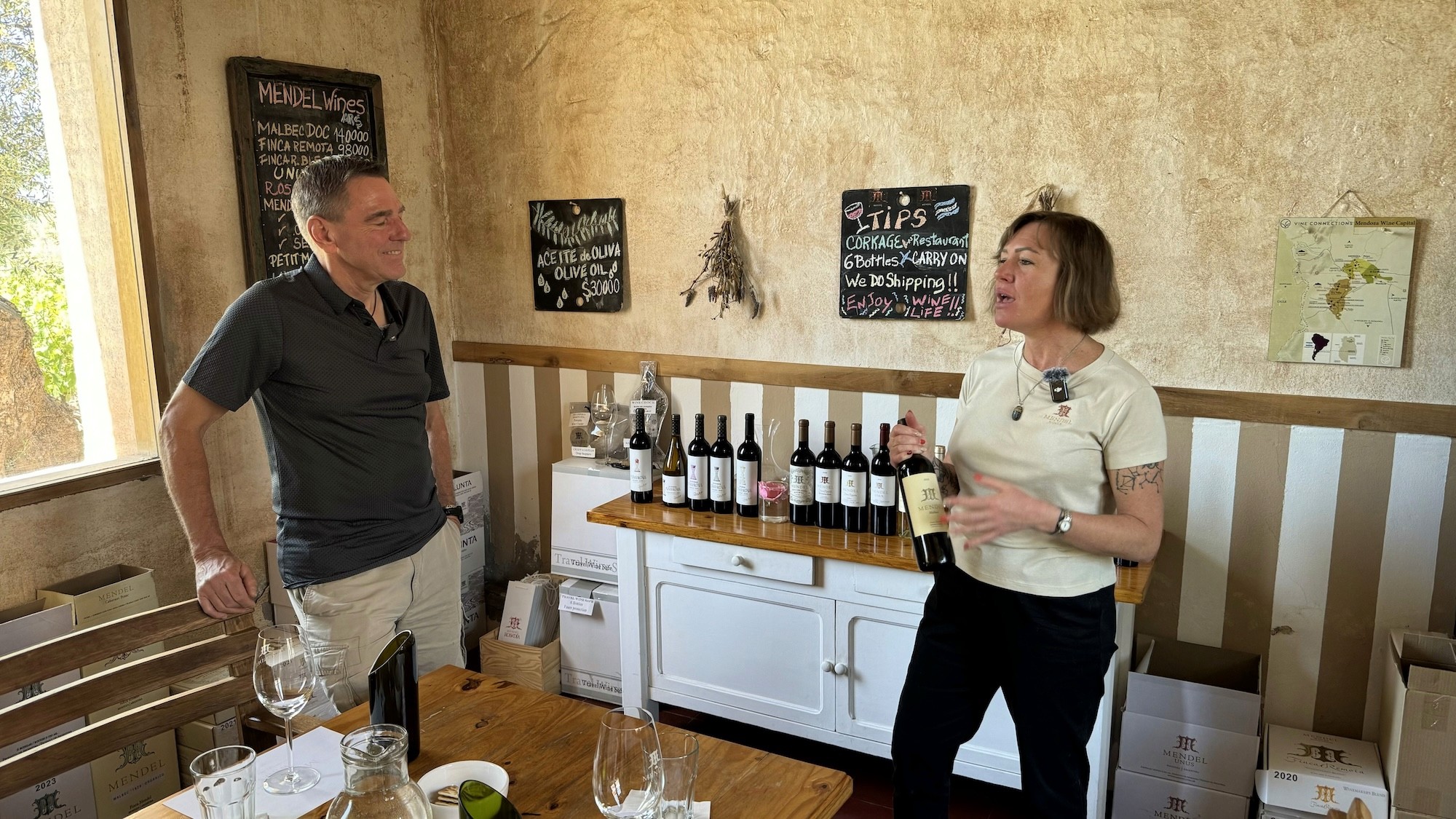
Elena Drannikow shares the story of Mendel Wines during our tasting.
Which Mendel Wine Should You Try First?
All the wines we tasted showed quality, but three experiences stayed with us.
The mainstay Mendel Malbec, priced at approximately $20 at the time of our visit, was a familiar pleasure. I remembered drinking it in 2017, and here it was again: balanced, flavorful, and reassuringly dependable. For someone beginning to explore Mendel, this is the natural place to start.
Mendel Rosadía also stood out, both inside and out. Made from Bordeaux grape varieties grown in Paraje Altamira, it was fresh, elegant, structured, and beautifully balanced through the finish. Yum!
Then there was Mendel Malbec DOC from Finca de los Andes in Perdriel. It was the more exclusive and expensive bottle, but its connection to a specific vineyard made it impossible for us to leave without purchasing one. This is the bottle to explore when you want to understand how Mendel moves from a balanced house Malbec into a more concentrated, site-specific expression.
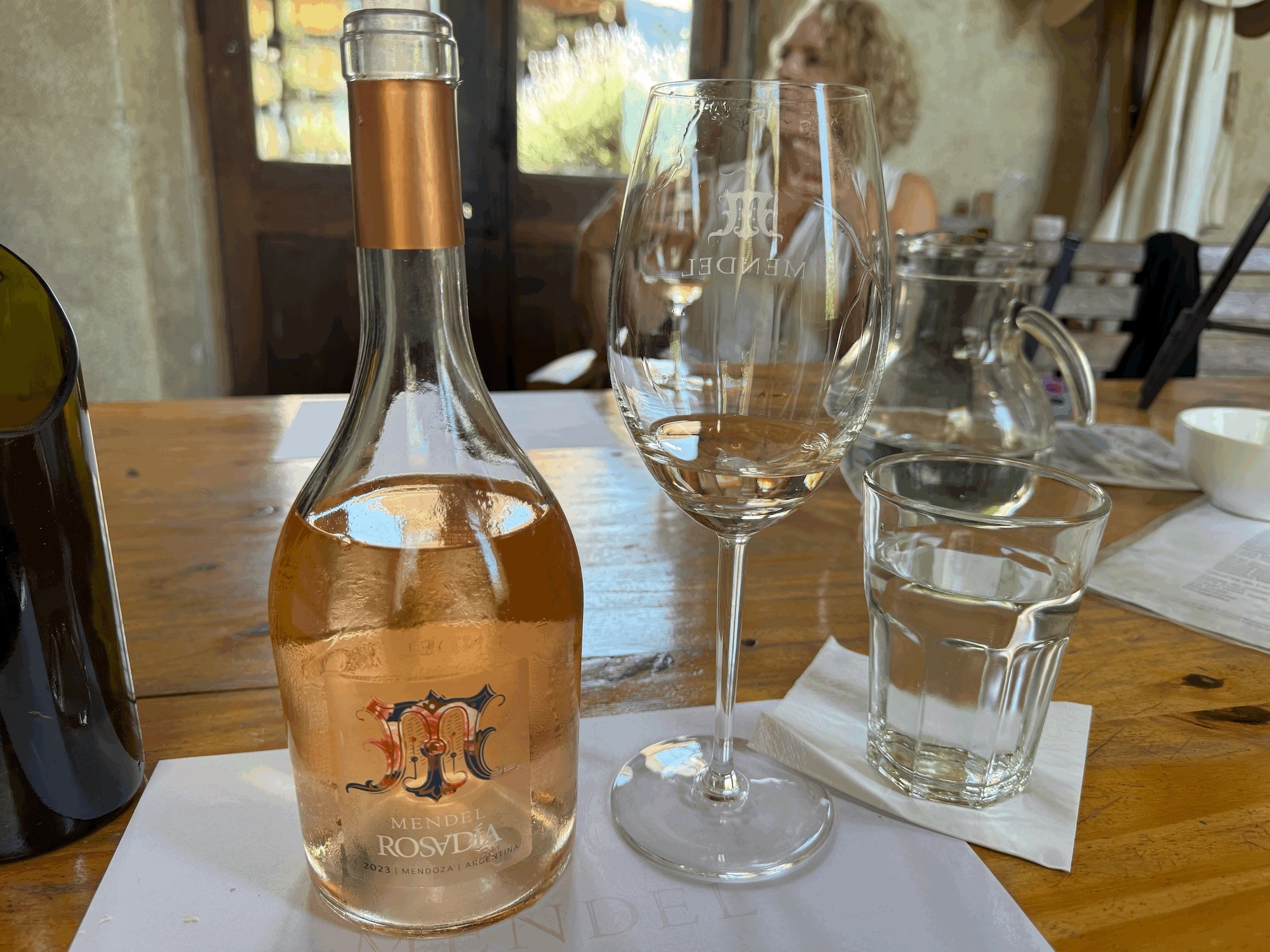
Mendel Rosadía, a fresh and balanced rosé made with fruit from Paraje Altamira in the Uco Valley.
Why Bodegas Mendel Is Worth Remembering
Mendel brings together a century-old winery, Malbec vines planted in 1928, distinctly different vineyard sites, and the experience of Roberto de la Mota. But what stayed with us began before we knew any of those details.
It was the stillness of the property that made us reach for our cameras.
That quiet sense of history carried through the tasting, from a dependable Mendel Malbec to the freshness of Rosadía and the concentrated expression of the Perdriel DOC wine. Mendel gave us something every wine explorer hopes to find: a place where the story behind the bottle makes the wine more meaningful when it reaches the table.
Explore Mendel’s current wines and visitor information through the official Mendel Wines website.
Continue exploring the landscapes and producers shaping Argentine wine.
Visit the Mendel Wines website: mendel.com.ar
Visit our Argentina page for a full overview of wine in Argentina.
For more firsthand stories behind compelling wines, subscribe to our newsletter.
More from this country

Argentina
Why Pulenta Estate's Wines Taste So Precise
Inside the family winery in Luján de Cuyo, Mendoza, Argentina
Argentina
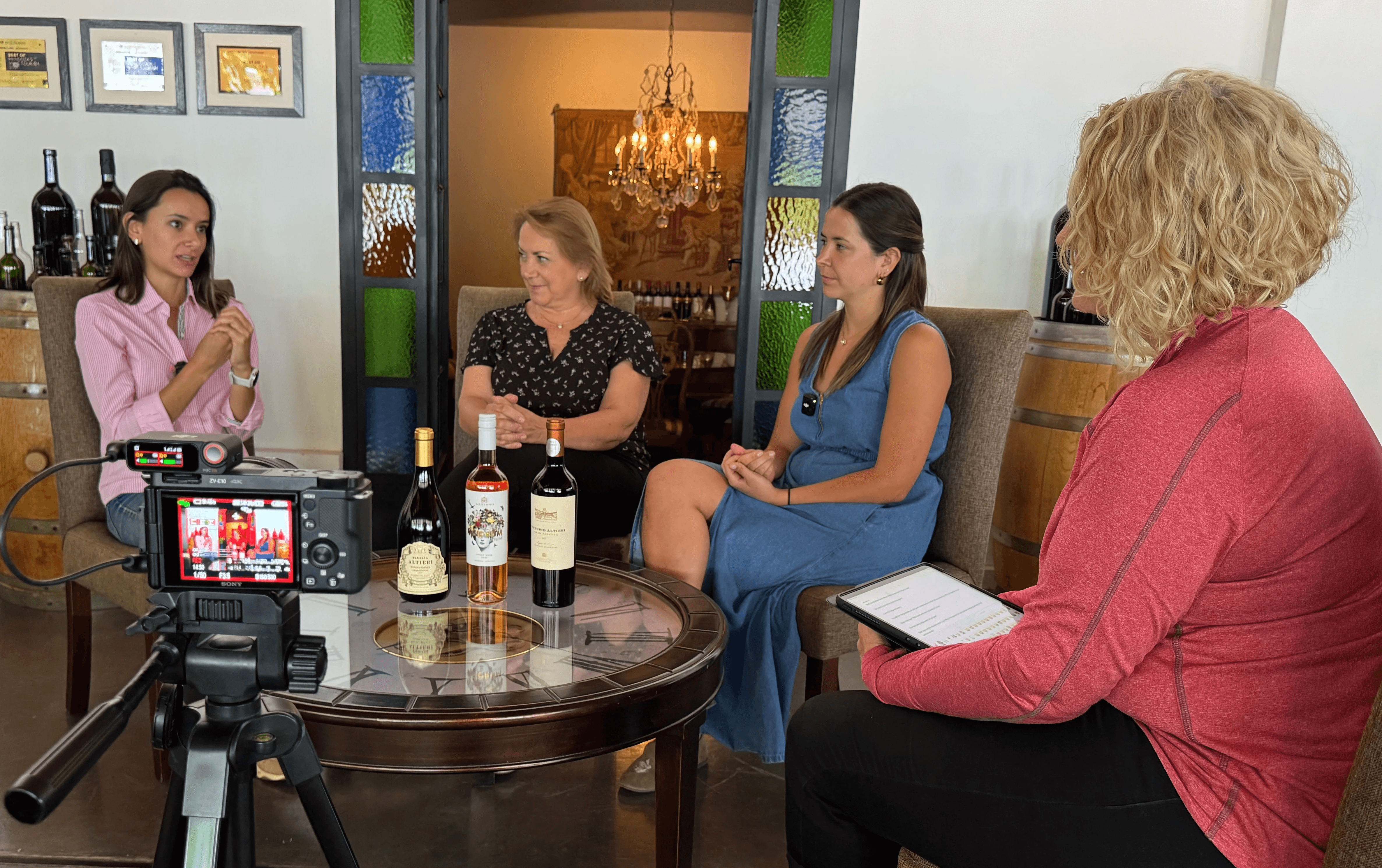
Why Visit Altieri Family Winery in Mendoza? The Story of the Three Marías
At Altieri Family Winery in Luján de Cuyo, three women carry a family wine tradition from historic concrete vats into precision viticulture.
Argentina
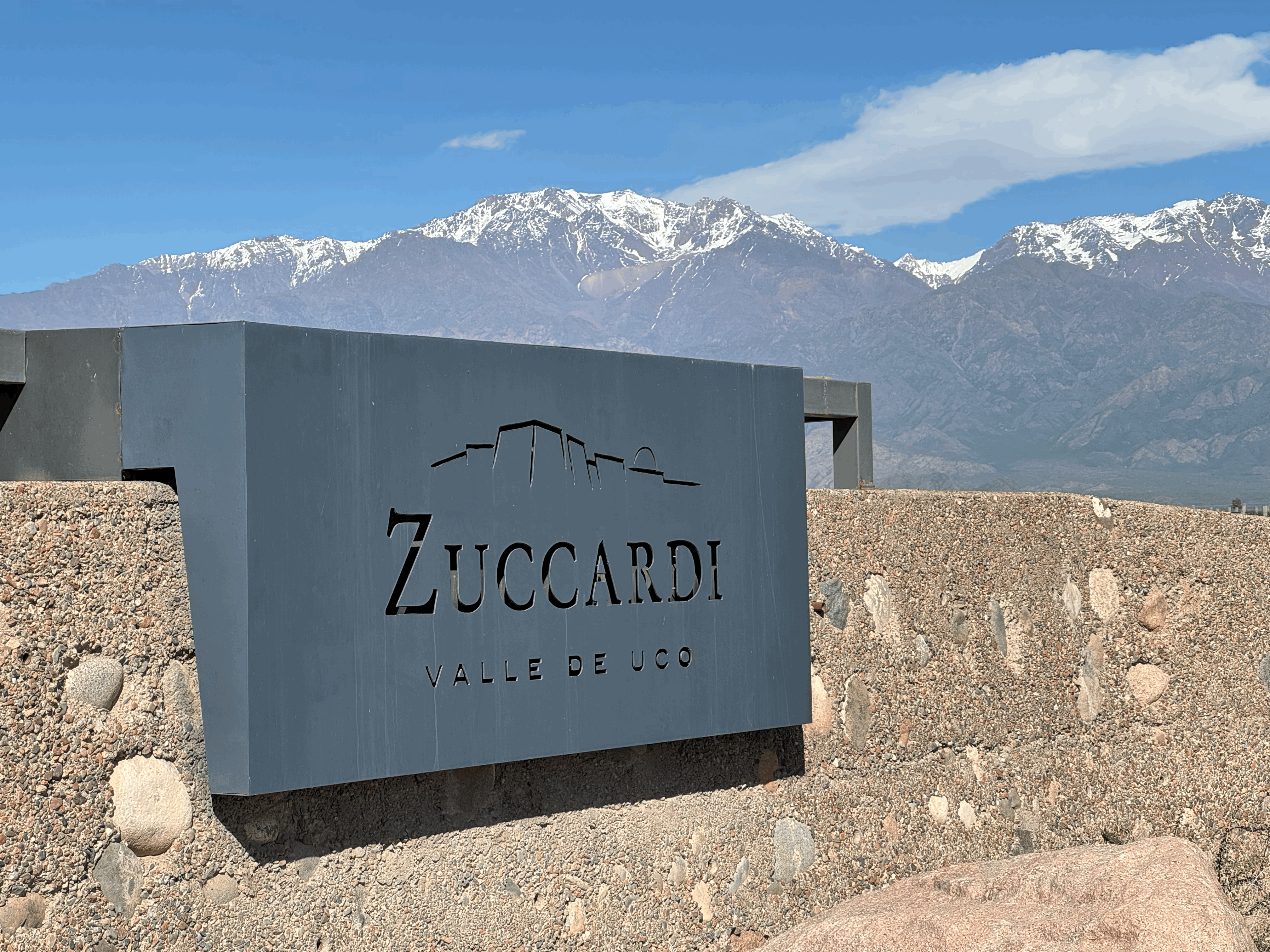
Why Does Zuccardi Wine Taste Like the Andes?
How mountain water, alluvial soils, precision viticulture, and concrete shape Zuccardi’s wines in Argentina’s Uco Valley.



From Vineyard to Inbox
Subscribe to our newsletter