
Why Does Zuccardi Wine Taste Like the Andes?
How mountain water, alluvial soils, precision viticulture, and concrete shape Zuccardi’s wines in Argentina’s Uco Valley.
Jan de Weerd - Spoken Wines
Smooth Scroll
This will hide itself!
This will hide itself!
While hiking the Cerro San Pedro Trail in Argentina’s Andes Mountains, I began to understand the natural forces creating the wines of the Uco Valley and expressed so clearly by Zuccardi.
The snowcapped peaks provide water for the vines. Frost, rain, sun, and time break apart the mountains. Streams carry rocks and dissolved minerals into the valley, where they form the soils beneath the vineyards. The continental climate created by the mountains then shapes the grapes growing in those soils.
This is why Zuccardi wine can taste like the Andes. The family studies each vineyard parcel in detail, adapts its viticulture to the soil beneath it, and uses concrete instead of oak for many of its wines. The goal is not to add another flavor to the wine, but to let the mountain, soil, and fruit speak as clearly as possible.
How Did the Andes Create the Uco Valley’s Soils?
Martín Di Stefano, Zuccardi’s head viticulturist, simply referred to as the agronomist, explained at length how the soils of the Uco Valley were shaped by alluvial fans.
As someone with an agricultural background, I enjoyed that title. Perhaps that makes me a viticulturist too. 🤓
These fan-shaped areas of rocky soil were created over millions of years by rivers and streams descending from the Andes. Each carried and deposited its own combination of rocks and minerals, leaving a distinctive geological fingerprint across the valley.
Snow, frost, rain, and sun make the mountain rock crack and crumble. The fragments tumble down the slopes before creeks and tributaries carry them toward the valley floor. Dissolved minerals also travel with the water and are deposited on the stones below.
This is how the Uco Valley’s different terroirs were created. Even vineyards located near one another can sit on different combinations of rock, mineral deposits, and soil.
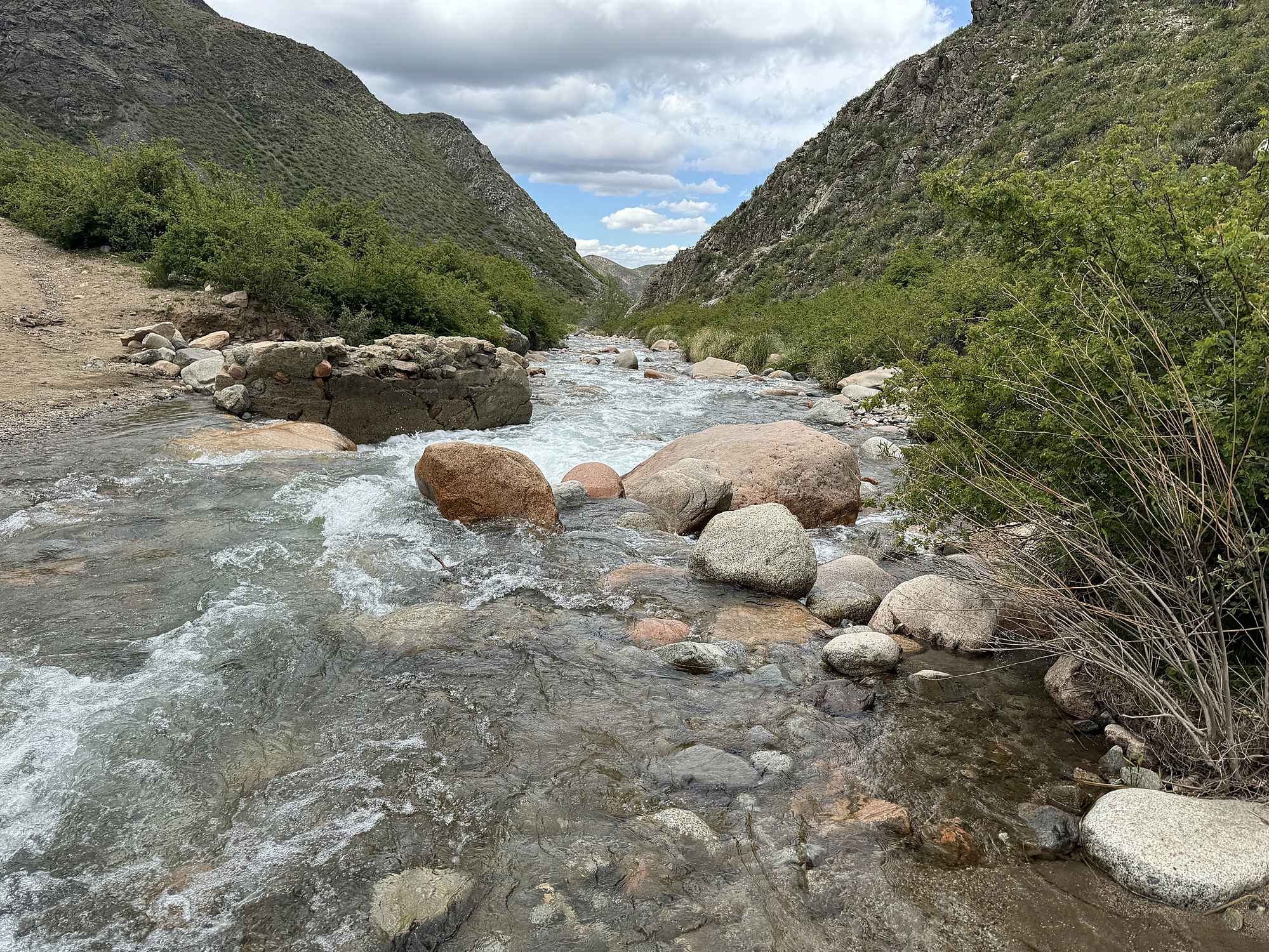
Water carries rocks and minerals from the Andes toward the vineyards of the Uco Valley.
How Does Zuccardi Translate Those Soils Into Wine?
In 2009, the Zuccardi family committed itself fully to creating wines that express the identity and diversity of the Uco Valley’s terroirs.
The transformation was led by Sebastián Zuccardi, the oldest son of José Alberto Zuccardi and the viticulturist in the family. It required more than recognizing that the valley contained diverse soils. The family wanted to understand those soils and then apply what it learned through precision viticulture and winemaking.
Zuccardi mapped its soils in remarkable detail. Instead of laying out every vineyard according to a uniform grid, the team shaped parcels around the natural contours of the mapped soil types.
That information allows the vineyard team to manage each parcel according to its conditions. Row density, trellis systems, irrigation, and canopy management can be adjusted to suit the parcel rather than applying one approach everywhere.
The goal is optimal maturity at harvest and wines that express the place where their grapes were grown. At Zuccardi, precision is not used to make every wine taste the same. It is used to reveal why each parcel tastes different.
Why Does Zuccardi Use Concrete Instead of Oak?
Zuccardi no longer ferments and ages most of its wines in oak. Instead, many are produced entirely in concrete, using vessels that range from small 1,000-liter concrete eggs to large 10,000-liter vats.
Concrete allows Zuccardi to make wine without adding the aromas or flavors associated with oak. This helps preserve the authentic flavor of the fruit and makes the differences between vineyards easier to recognize.
For someone tasting wine, that matters. When oak is not dominating the glass, it becomes easier to notice the freshness, texture, intensity, and savory character created by the vineyard itself.

Zuccardi uses concrete vessels to preserve purity and transparency in its wines.
Which Zuccardi Wines Reveal the Uco Valley Best?
Several wines left a lasting impression on us.
The Fósil Chardonnay showed how expressive white wine can be in this mountain landscape. It was vibrant and explosive, a reminder that the Uco Valley is not defined by Malbec alone.
Zuccardi’s Aluvional Malbec wines reveal broader expressions of distinctive subzones within defined geographical regions. They bring together vineyard parcels while preserving the identity of the place from which they come.
Then we reached the single-vineyard wines, Piedra Infinita and Finca Las Cerrilladas. These moved beyond explanation. They simply had to be tasted.
Finca Las Cerrilladas was subtle and smooth, yet deeply complex. Its uplifting aromas of black olive, rosemary, and anise made me feel as though I were entering my Italian grandmother’s kitchen. That sensory memory is part of what makes wine meaningful. Geology may create the foundation, but aroma can carry us somewhere deeply personal.
Explore the Zuccardi Finca Las Cerrilladas Malbec.
What Can You Learn by Tasting Zuccardi?
Zuccardi reveals the many faces of the Uco Valley in a pure and transparent way. Its wines are focused and intense, yet each expresses itself differently.
If you are trying to understand terroir, taste two Zuccardi wines from different sites side by side. Do not look only for which one you prefer. Notice how their aromas, textures, freshness, and structure change. The grape may be the same, but the place is not.
That is the lesson Zuccardi brings into the glass. The Uco Valley is not one uniform landscape, and Malbec is not one uniform wine.
Watch our Zuccardi Valle de Uco video to see the vineyards, soils, and concrete vessels behind these wines.
Zuccardi’s high-altitude philosophy is part of Mendoza’s larger wine story. Elsewhere in the province, Santa Julia’s purpose-driven work in Maipú and Pulenta Estate’s precision in Luján de Cuyo show how different places and families shape distinct expressions of Argentine wine.
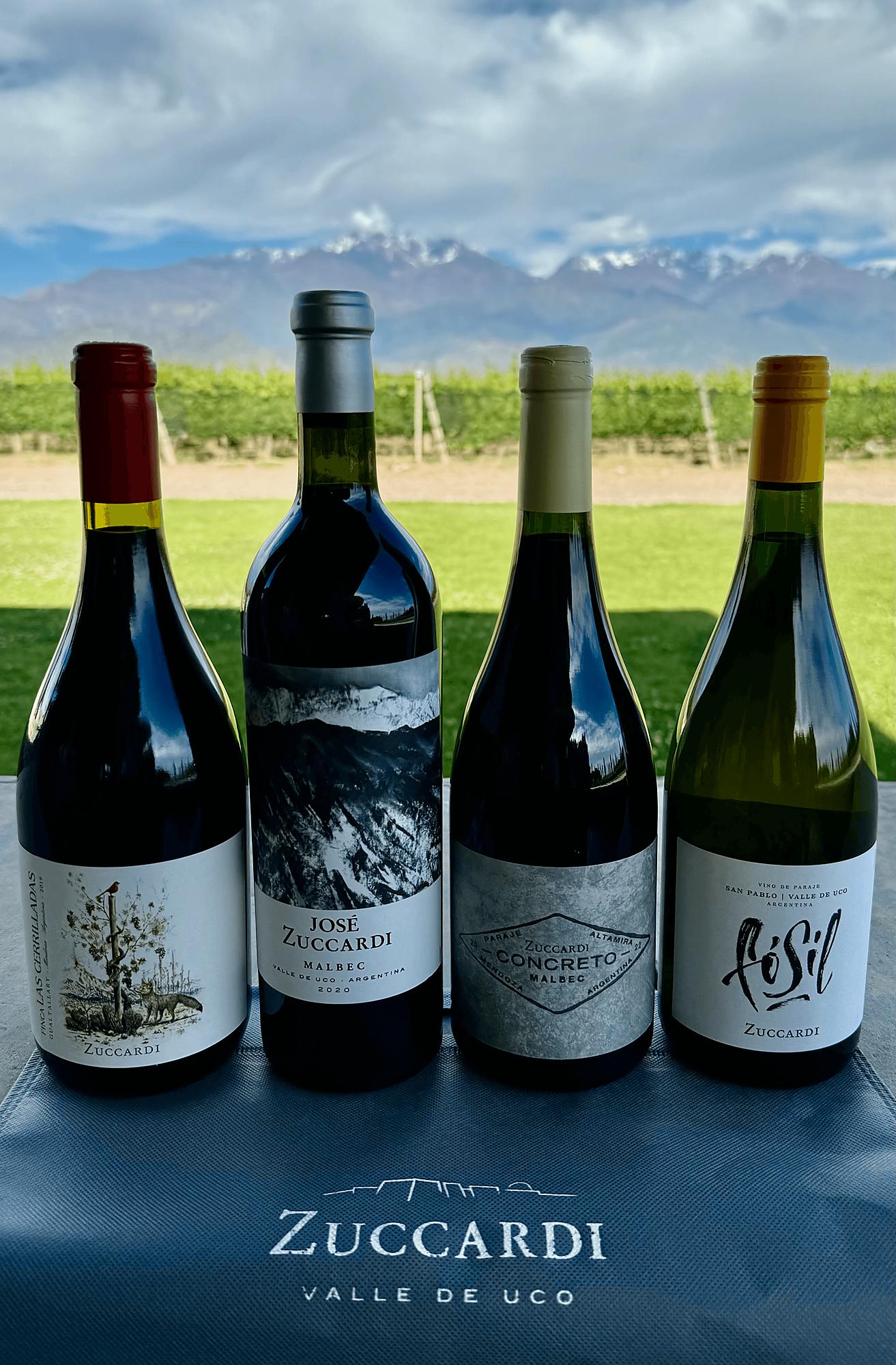
Four expressions of Zuccardi, each shaped by a different relationship between grape, soil, and place.
Zuccardi’s approach is reinvigorating Mendoza wine by showing that the region’s future does not depend on making one recognizable style. Its future can be found in revealing the individual identity of each place.
As Sebastián Zuccardi said, “The Mountain is never far from our mind.”
Visit the Zuccardi Valle de Uco website: zuccardiwines.com
Visit our Argentina page for a full overview of wine in Argentina.
More from this country

Argentina
Why Pulenta Estate's Wines Taste So Precise
Inside the family winery in Luján de Cuyo, Mendoza, Argentina

Argentina
Why Visit Altieri Family Winery in Mendoza? The Story of the Three Marías
At Altieri Family Winery in Luján de Cuyo, three women carry a family wine tradition from historic concrete vats into precision viticulture.
Argentina
Monteviejo Linda Flor Malbec: Why the 2005 Vintage Stayed With Us
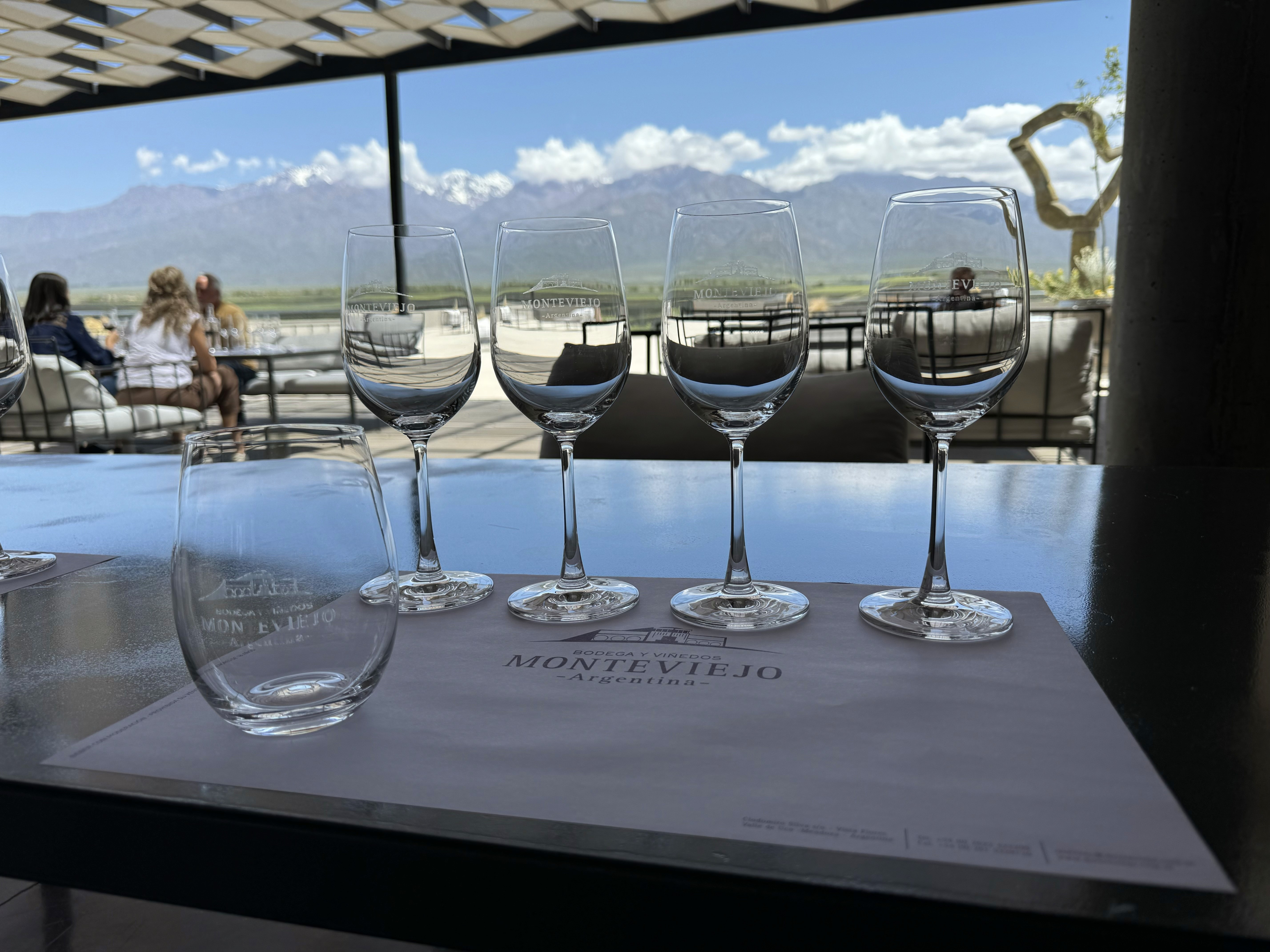
We first tasted Linda Flor 2005 by a mountain fire. Years later, we traveled to Monteviejo in Mendoza’s Uco Valley to understand the wine behind the memory.



From Vineyard to Inbox
Subscribe to our newsletter