
American Wine Beyond Napa: Walla Walla and Idaho Wineries Worth Knowing
Explore wineries across Washington’s Walla Walla Valley and Idaho’s Snake River Valley—places where high-desert light, mountain air, family history, and patient farming are shaping a different American wine story.
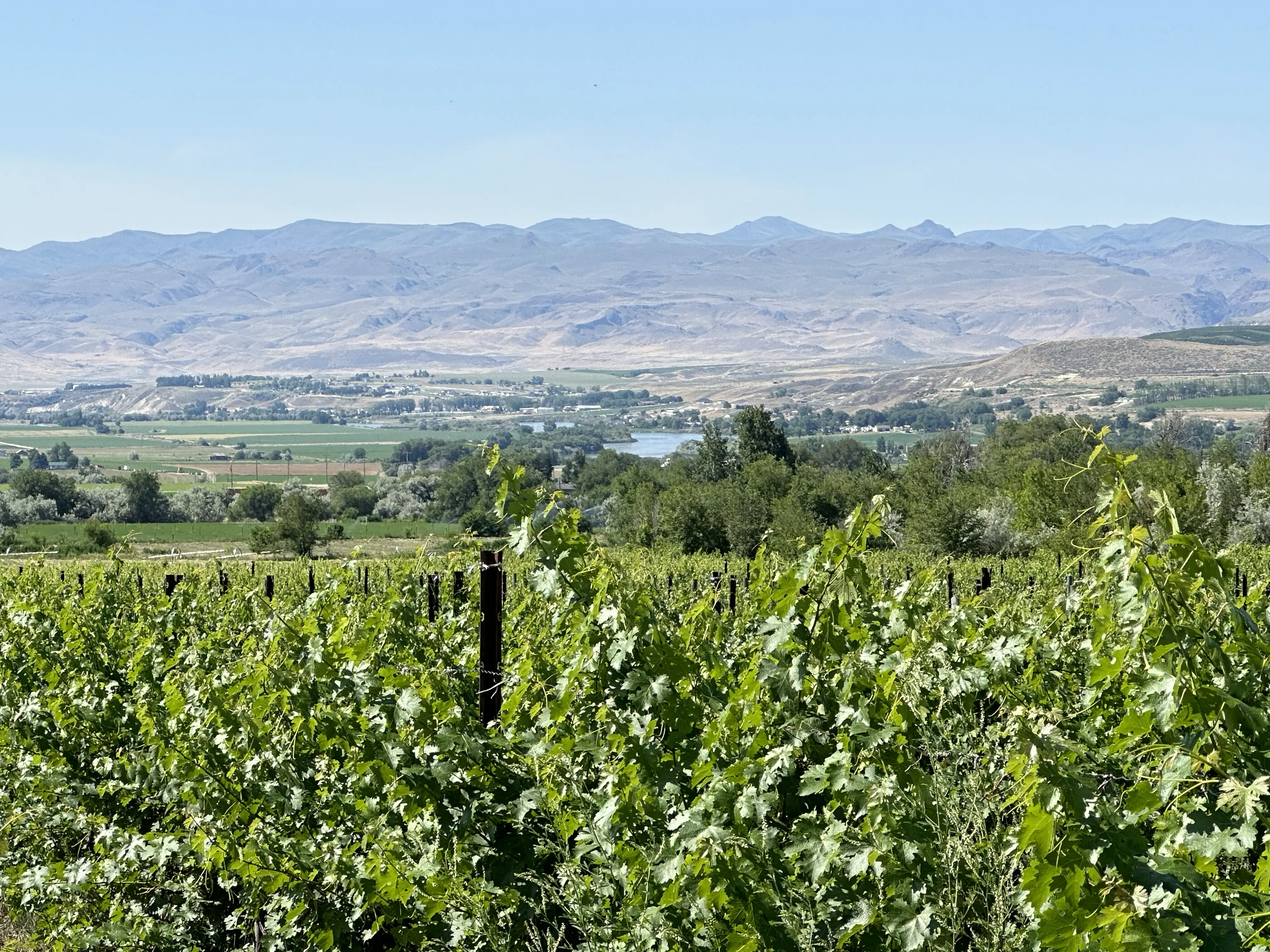
If you want to explore American wine beyond Napa and Sonoma, begin with two places: Washington’s Walla Walla Valley and Idaho’s Snake River Valley, including the Eagle Foothills. Walla Walla is known for structured Cabernet Sauvignon and Bordeaux-style blends shaped by warm days, cool mountain air, and a long history of collaboration among early producers. Idaho brings a different perspective—high-desert conditions, elevation, distinctive soils, and families willing to plant vineyards where few people expected them to thrive.
We have spent time with the people behind both regions, from the Dunham family’s converted World War II airplane hangar to Chris Figgins’ hillside estate and the Pasculli family’s work to restore a neglected Idaho vineyard. These are not interchangeable expressions of American wine. They are four ways of understanding how place, people, and patience find their way into the bottle.
If you are choosing a bottle for dinner, planning a wine-country trip, or simply trying to understand what makes Washington and Idaho worth watching, this is where to begin.
“
A rising tide lifts all boats.
John Blair
Dunham Cellars
Co-owner
Featured wineries


Dig deeper in
United States
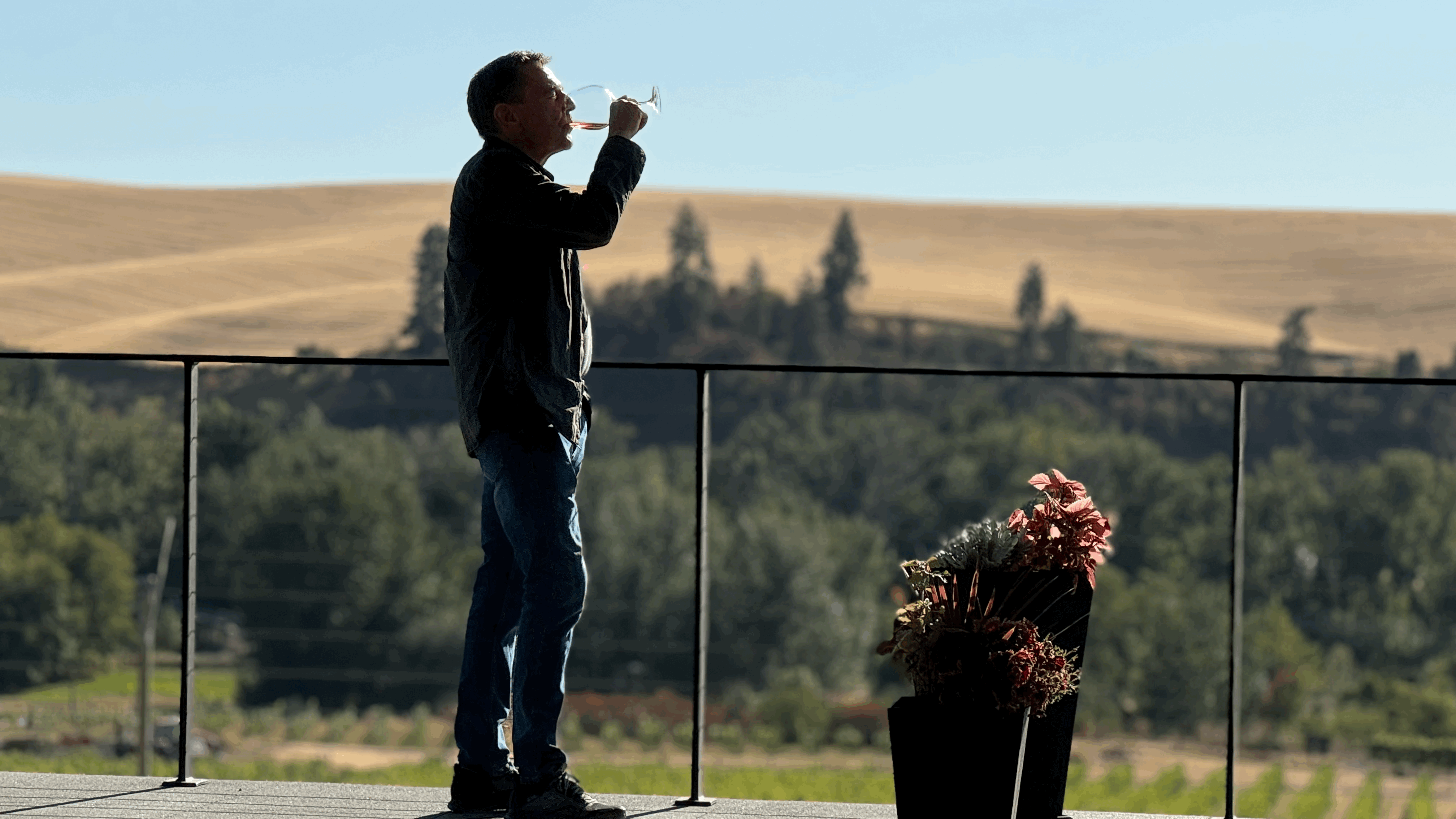
Walla Walla Wine Guide: The Westside, Southside, Mill Creek, and The Rocks District
How to explore Walla Walla’s tasting districts, vineyard landscapes, wineries, and wines without trying to see everything at once.
Read story →
More hidden gems
See more stories
Frequently asked questions
What American wine regions does Spoken Wines cover?
What grapes is Walla Walla best known for?
Why is Idaho wine worth exploring?
Which winery should I try first?
Can I buy the wines featured here?
Can I visit these wineries?

From Vineyard to Inbox
Subscribe to our newsletter