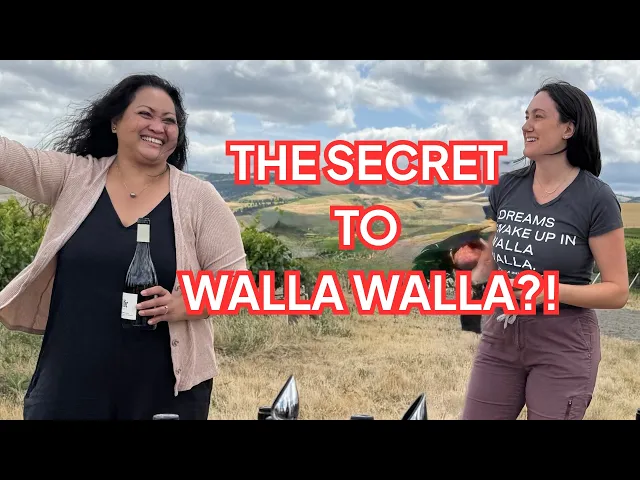
What Makes Walla Walla Wine So Special, and Where Should You Start?
A first-person guide to Walla Walla's growing areas, tasting districts, wineries, and wines, and how to begin exploring them
Tammy de Weerd - Spoken Wines
Smooth Scroll
This will hide itself!
This will hide itself!
What Makes Walla Walla Wine So Special, and Where Should You Start?
When Jan and I first started visiting Walla Walla in the mid-1990s, there were only about a dozen wineries.
Today, vineyards fill areas we remember as wheat fields. The Southside has expanded. The Rocks District of Milton-Freewater has become one of the region's most distinctive wine-growing areas. Wineries and vineyards extend to the slopes of the Mill Creek corridor east of town. Downtown has become a destination for both wine and food.
Yet the Walla Walla we return to still feels familiar.
There is a quaintness to the town and a sense of history in its older neighborhoods and buildings. Downtown is walkable. We can get on bikes and ride through the Southside, moving from town into vineyard country without feeling as though we have entered a completely separate world.
That connection is something we notice even more after visiting wine regions around the world. In many places, wineries can feel like individual islands. You drive from one estate to another, each its own destination.
Walla Walla feels connected. The wineries are part of the town, and the town is part of the wine region. Winemakers recommend one another. People move among vineyards and wineries over the course of their careers. New producers arrive and become part of an existing community.
That combination of community, walkability, and varied vineyard sites is what makes Walla Walla special, and it gives first-time visitors an unusually approachable place to begin.
And as the valley has grown, we have discovered something else: there is much more diversity here than first meets the eye.
Discover Walla Walla's Growing Areas
The Walla Walla Valley was designated an American Viticultural Area (AVA) in 1984 and crosses the Washington-Oregon state line. Within it, The Rocks District of Milton-Freewater is a sub-AVA on the Oregon side. For visitors, the Walla Walla Valley Wine Alliance organizes the valley into six wine districts: Westside, Downtown, Airport, Eastside, Southside, and Oregon.
Those districts are useful for planning where to go, but they do not all describe where grapes grow. Downtown and the Airport are tasting areas. A winery may welcome you in one part of Walla Walla while pouring wines made from vineyards somewhere else in the valley or even outside the valley from other Washington State AVAs.
Use the districts to help plan your visit. Then ask where the grapes in your glass were grown.
Westside: Start With Walla Walla's Wine History
For many visitors, the Westside is the natural entrance into Walla Walla wine country. It is also where some of the valley's early wine history remains especially visible.
In Lowden, L'Ecole No. 41 welcomes visitors in the restored Frenchtown schoolhouse built in 1915. Founded in 1983, L'Ecole was part of a very small group of wineries helping establish Walla Walla's reputation. Next door, Woodward Canyon Winery was also part of this small group of pioneers and one of the first wineries established in Walla Walla. Both grew from an agricultural community that existed long before Walla Walla became a wine destination.
The history is part of the experience, but these wineries also demonstrate how the region has evolved. At L'Ecole, wines from vineyards including Seven Hills and Ferguson show how much more precisely producers now understand individual sites. The Westside gives a first-time visitor useful context for what comes later: families planted, experimented, learned, and built Walla Walla's reputation over decades.
Wine Spectator Spring 1992 featuring Rick Small and his Woodward Canyon winery as part of a pioneering group putting Washington wine on the global wine map.
Places to start on the Westside: L'Ecole No. 41, Woodward Canyon Winery, REALI Family Vineyards, Long Shadows Vintners, REININGER Winery
What to taste here: Some of these wineries have celebrated their 30th or even 40th anniversary. Start with their whites, as they have been producing these for decades. Ask for their Bordeaux blend flagship wines and experience how their wines and varieties have evolved over time through a vertical tasting.
Start With the History: The Westside provides historical context behind the Walla Walla wine region you see today.
Read more about L'Ecole No. 41's more precise new era of winemaking.
Southside: Vineyards, Cabernet Sauvignon and Merlot
The Southside is where the vineyard landscape opens around you. It is also an area one can explore by bicycle. Rolling agricultural land, vineyards and views toward the Blue Mountains surround you, yet downtown remains close.
Cabernet Sauvignon and Merlot are natural wines to explore here, and Pepper Bridge Winery helped us understand why the relationship between a grape and a place takes time to discover. Mature wine regions eventually learn which varieties are particularly well suited to particular sites. More than two decades later, Walla Walla continues to refine that understanding as vineyards mature and growers gain experience.
Winemaker and Partner Jean-Francois is equally clear about a grape that deserves another look. "I love Merlot," he told us. Walla Walla is a wonderful place to rediscover it, particularly for drinkers whose idea of Merlot was formed by softer, less memorable examples.
Places to start: Pepper Bridge Winery, Garrison Creek Cellars, Sagemoor, Saviah Cellars, Valdemar Estates, Doubleback, Bledsoe Family Winery.
What to taste here: Begin with Cabernet Sauvignon or Merlot. Pepper Bridge Winery is an especially useful stop for exploring both. Expand to Syrah.
Notice How Close the Vineyards Feel: The Southside surrounds you with vineyard country and offers an approachable introduction to Walla Walla's leading Bordeaux varieties.
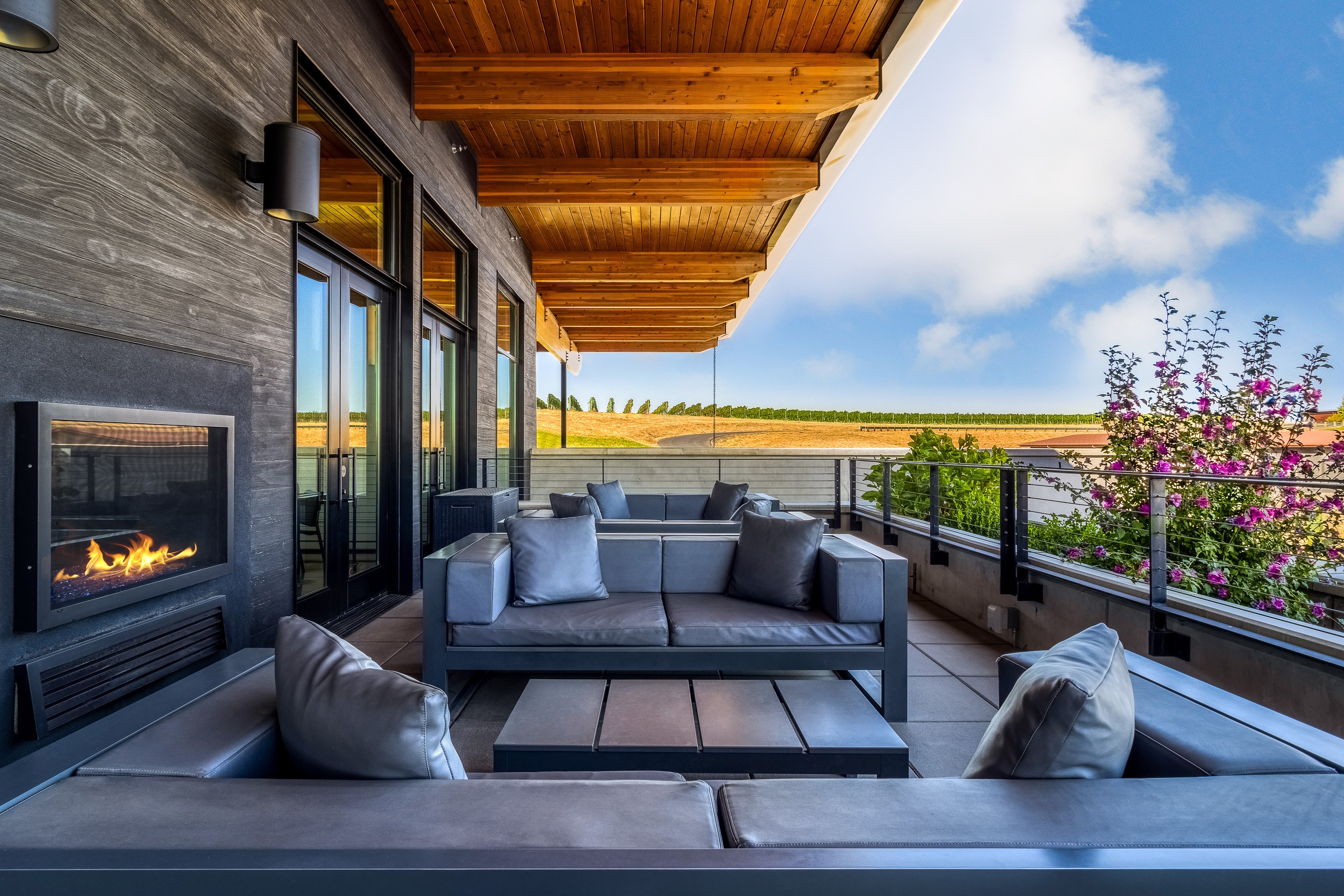
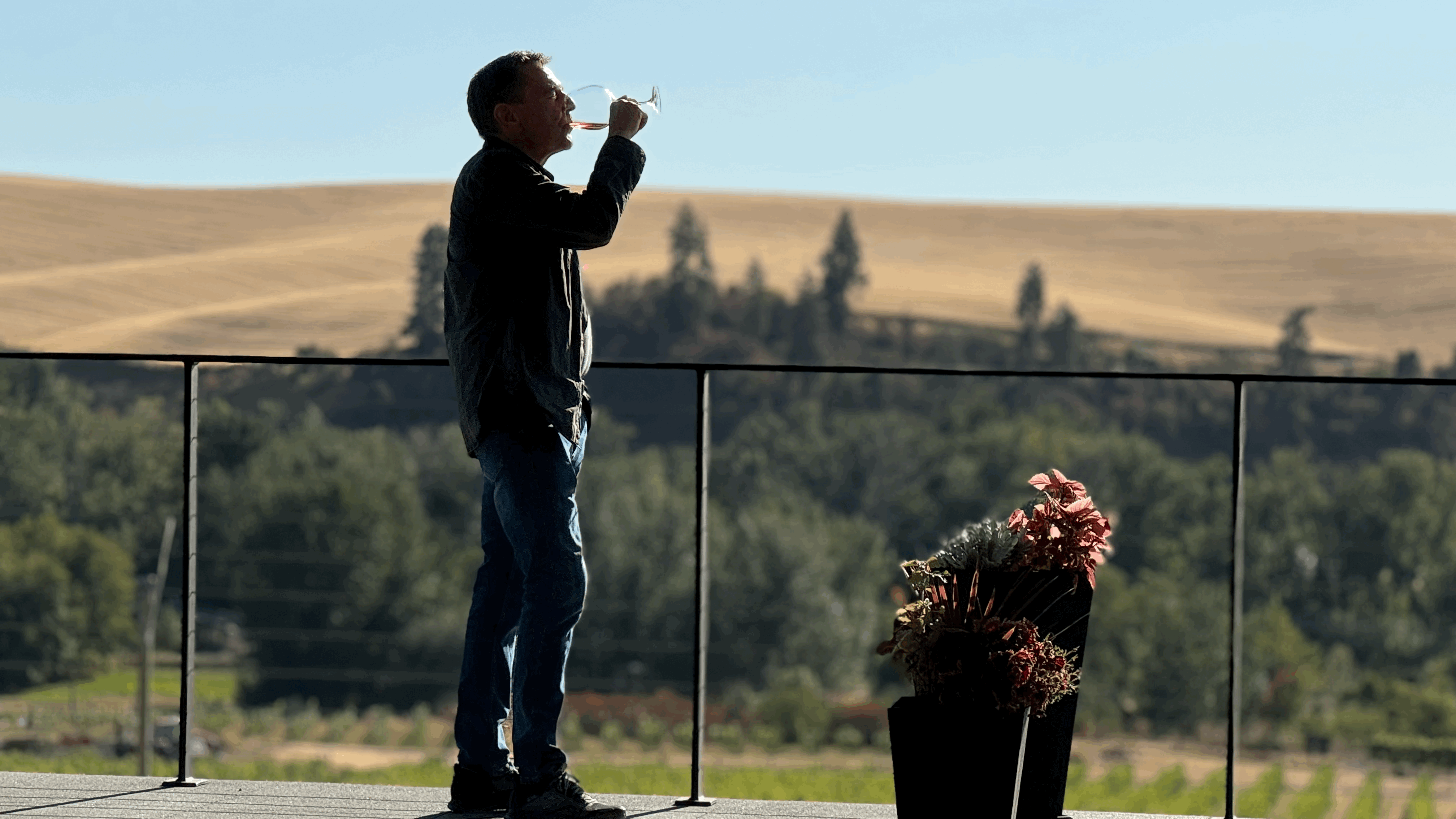
Valdemar tasting room patio overlooking the vineyards.
Eastside: Where Walla Walla Becomes More Vertical
Travel east into the Mill Creek corridor where Walla Walla meets the foothills of the Blue Mountains. Vineyards have been planted on slopes that for decades were wheat fields, and Walla Walla begins to feel more vertical.
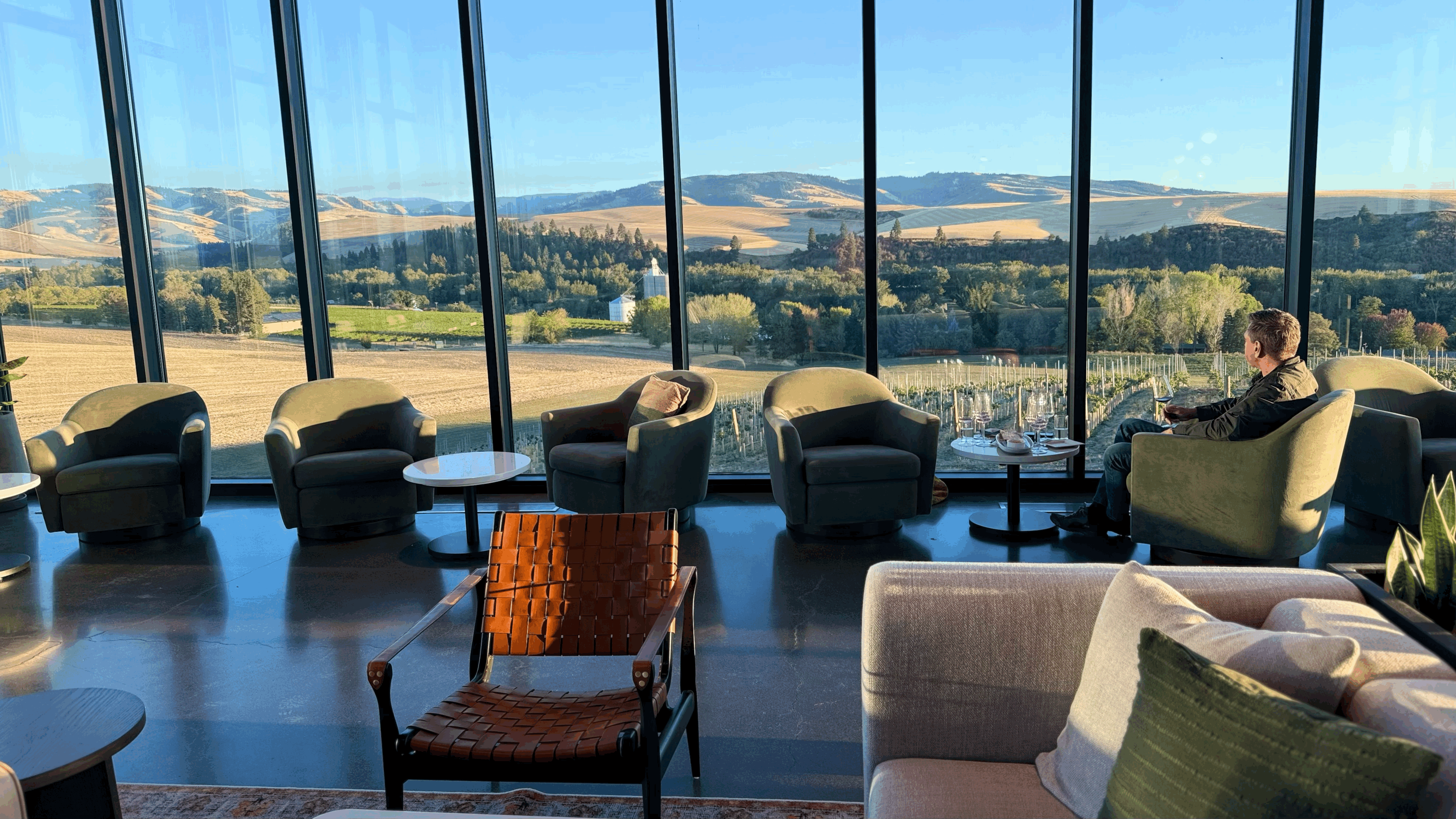
View of the foothills of the Blue Mountains from the tasting room of Echolands winery.
FIGGINS Estate makes that sense of place particularly easy to understand. Standing in the vineyard with Chris Figgins, you can look across the hillside and then taste a wine intended to express that estate. Chris sees the grape varieties as a lens through which to understand the vineyard. FIGGINS Estate Red does not lead with the grape varieties on the front label because the place is intended to lead the story.
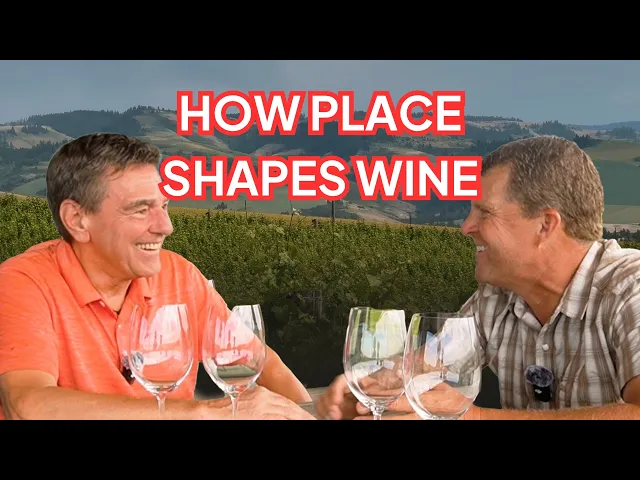
For Jan, our visit carried a personal connection. Chris and Jan are both sons of farmers and both studied horticulture at Washington State University. Chris eventually made the call home that brought him into his family's wine business; Jan chose a different path rather than returning to his family's farm in the Netherlands. Their shared background gave the conversation about land another dimension while reinforcing the larger idea behind FIGGINS: understanding where a wine comes from can deepen your understanding of what is in the glass.
Read more about Chris Figgins' philosophy of letting the vineyard lead the story.
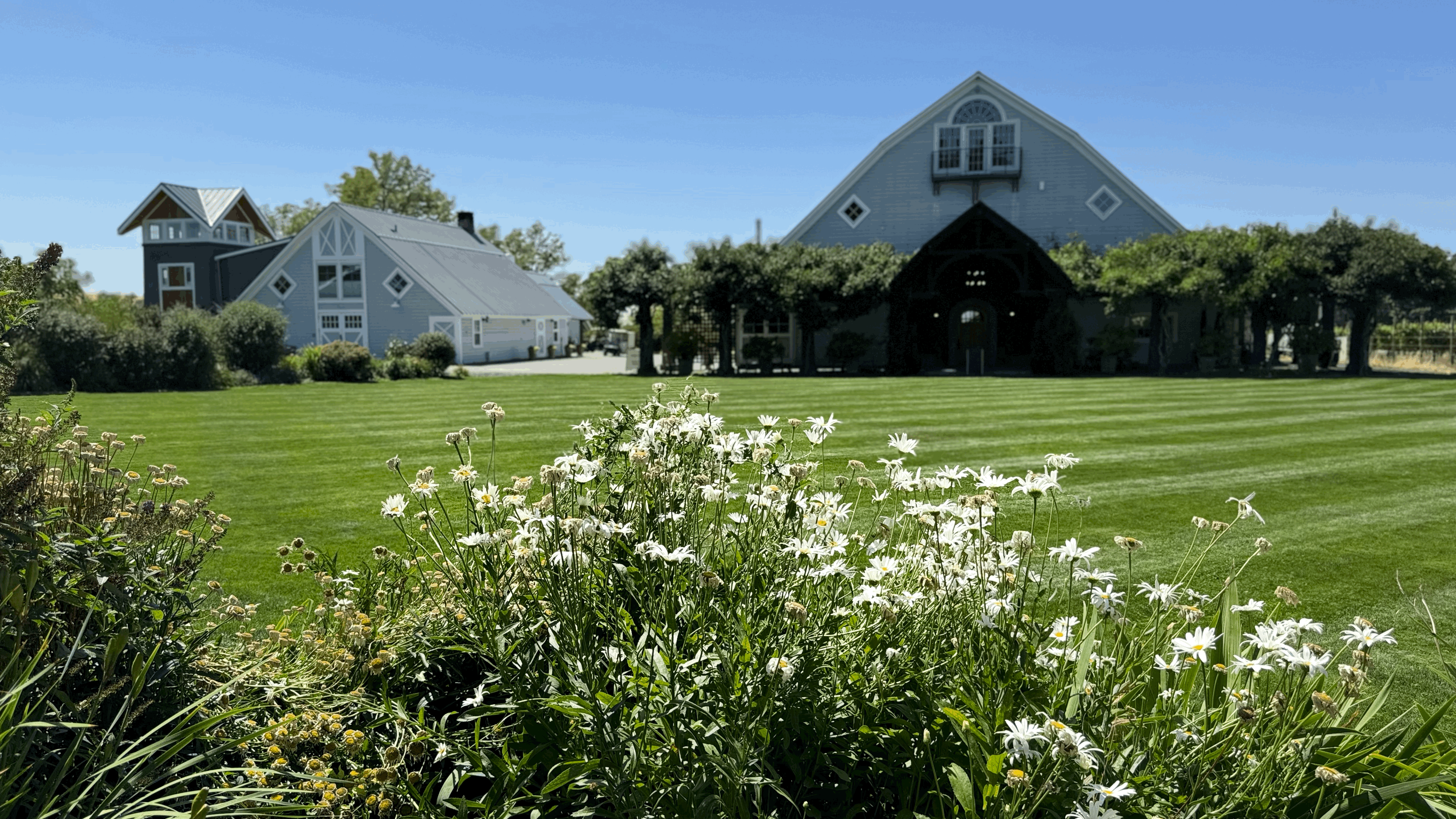
Abeja offers another experience of the eastern valley, bringing its historic farmstead, vineyards, winery, inn and food together in one place. Echolands adds the perspective of someone who knew Walla Walla for decades before choosing to invest here. Doug Frost told us, "It was the community, as much as anything, that cemented my confidence. It's a place where winemakers collaborate and support each other in ways I haven't seen in a long time."
Places to start: Abeja, FIGGINS Estate, Echolands Winery, Bledsoe | McDaniels, Jett Wines
What to taste here: FIGGINS Estate Red is a useful introduction to an estate-focused philosophy. Elsewhere, ask about vineyard elevation and proximity to the Blue Mountains and how those conditions influence the wines.
See and Feel Elevation: The Eastside makes elevation and vineyard position easier to see and includes some of Walla Walla's most immersive estate experiences.
Oregon and The Rocks District: A Visible Expression of Place
On the Oregon side of the Walla Walla Valley, The Rocks District of Milton-Freewater presents a dramatically different vineyard landscape. Dark basalt cobblestones cover the ground, with vines growing among them.
French winemaker Christophe Baron recognized the potential of this ground in 1996. The stones reminded him of vineyards he knew in France. He picked up two of them and thought, "This is it." That discovery led to Cayuse Vineyards and eventually helped establish The Rocks District as a sub-AVA within the Walla Walla Valley.
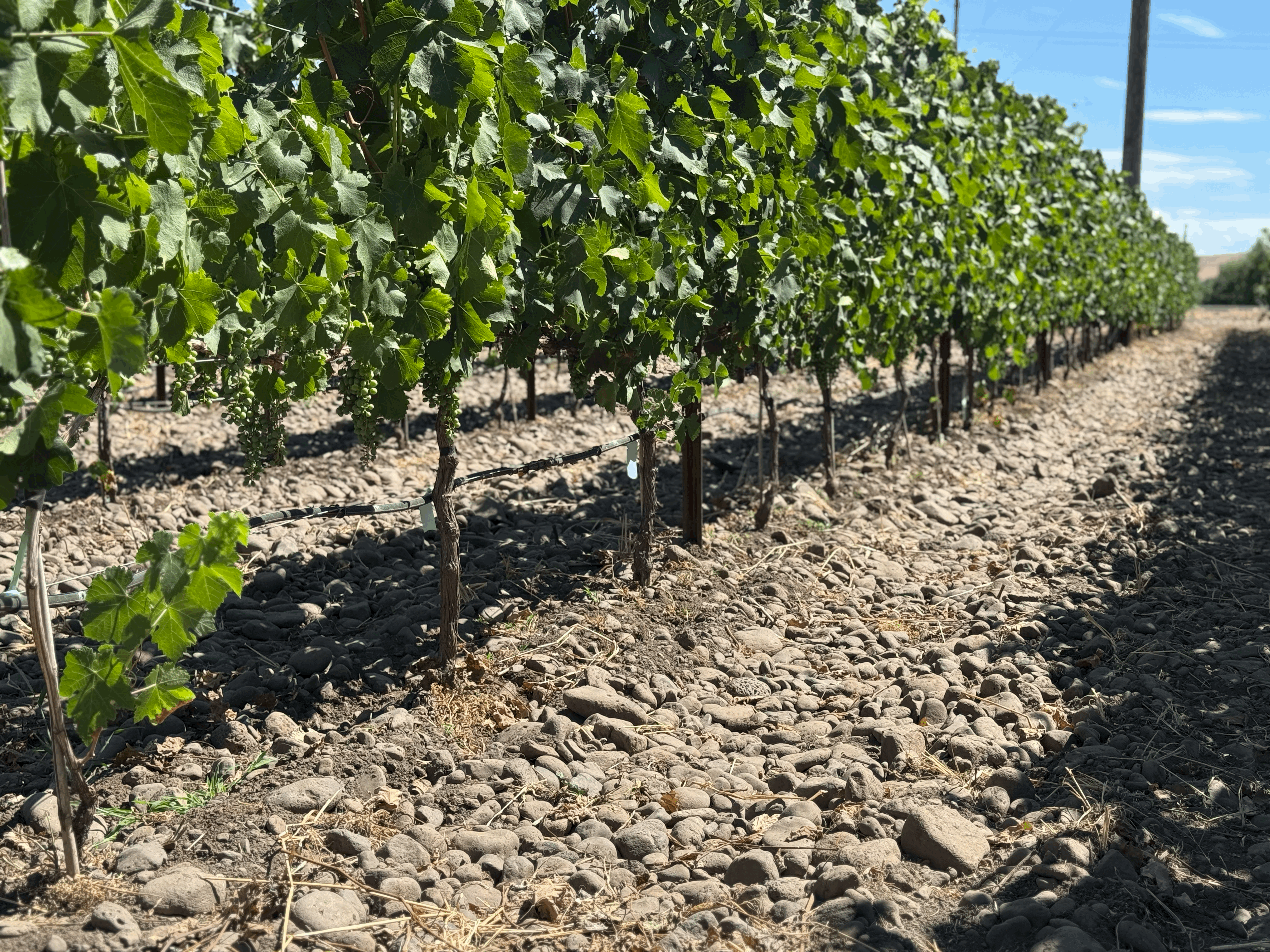
Syrah has become particularly associated with The Rocks, making it a useful grape for exploring the influence of place. Christophe Baron's Cayuse wines can be difficult to obtain, but Horsepower and No Girls are alternatives. Saviah Cellars' The Stones Speak gives us another compelling expression of Syrah grown in The Rocks. Saviah itself is on the Southside, another reminder that winery location and vineyard source are not necessarily the same.
Places to start: Saviah Cellars, Rotie Cellars, Force Majeure, Reynvaan Family Vineyards, and of course Christophe Baron's Bionic Wines, including Cayuse Vineyards, Horsepower Vineyards and No Girls Wines
What to taste here: Start with Syrah and then explore Grenache, a softer, more nuanced style still reflecting the unique earthy, minerally character of the Rocks District. Try our all-time favorite Syrah from Saviah Cellars, The Stones Speak, and compare it with Syrah grown elsewhere in the valley, particularly a cooler, higher-elevation site such as Les Collines Vineyard.
Look Down at the Ground: The Rocks provides one of Walla Walla's clearest visual demonstrations of how different growing conditions can exist within the same wine region.
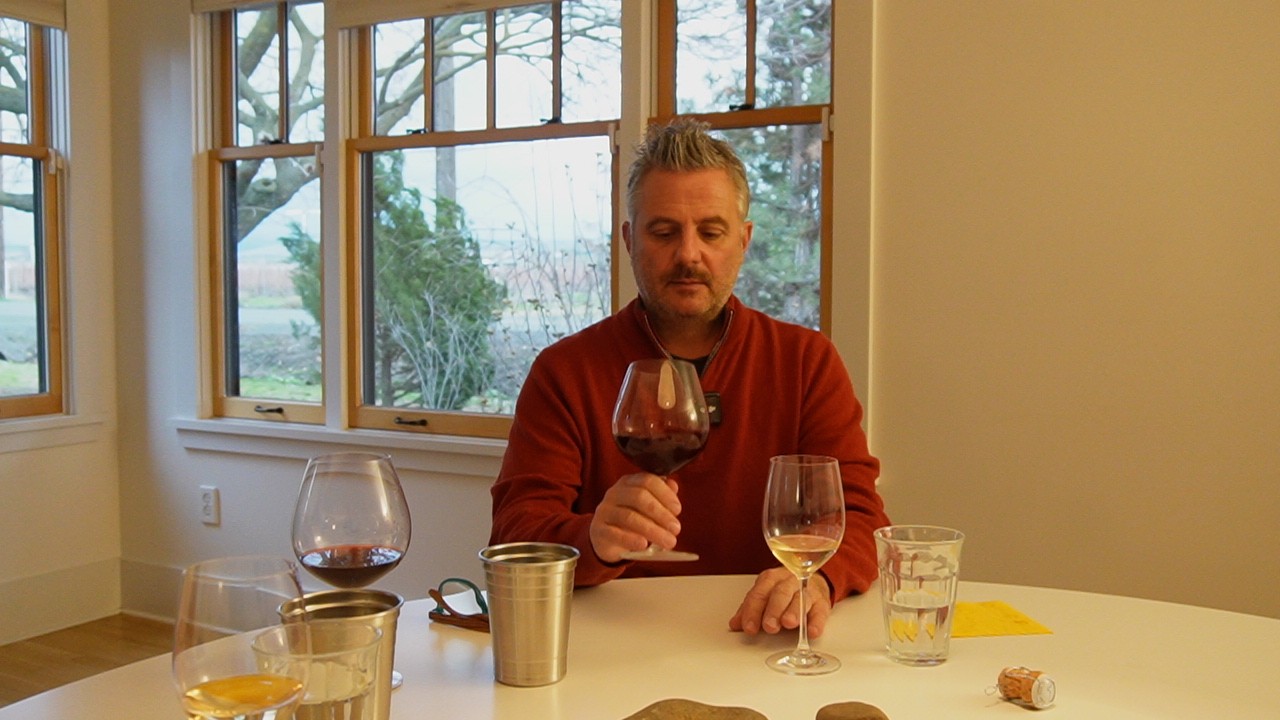
Read more about how Christophe Baron discovered the Rocks District.
Downtown and the Airport: Two More Ways to Taste the Valley
Downtown and the Airport are winemaking and/or tasting areas rather than vineyard-growing areas, and each provides a different way to experience Walla Walla wines sourced from across the valley.
Downtown combines tasting with restaurants, shops and historic Main Street, making it particularly useful for visitors with limited time. Seven Hills Winery is located here, as is Spring Valley Vineyard's tasting room. Downtown also provides an easy setting for comparing vineyard-designated wines without driving from one growing area to another.
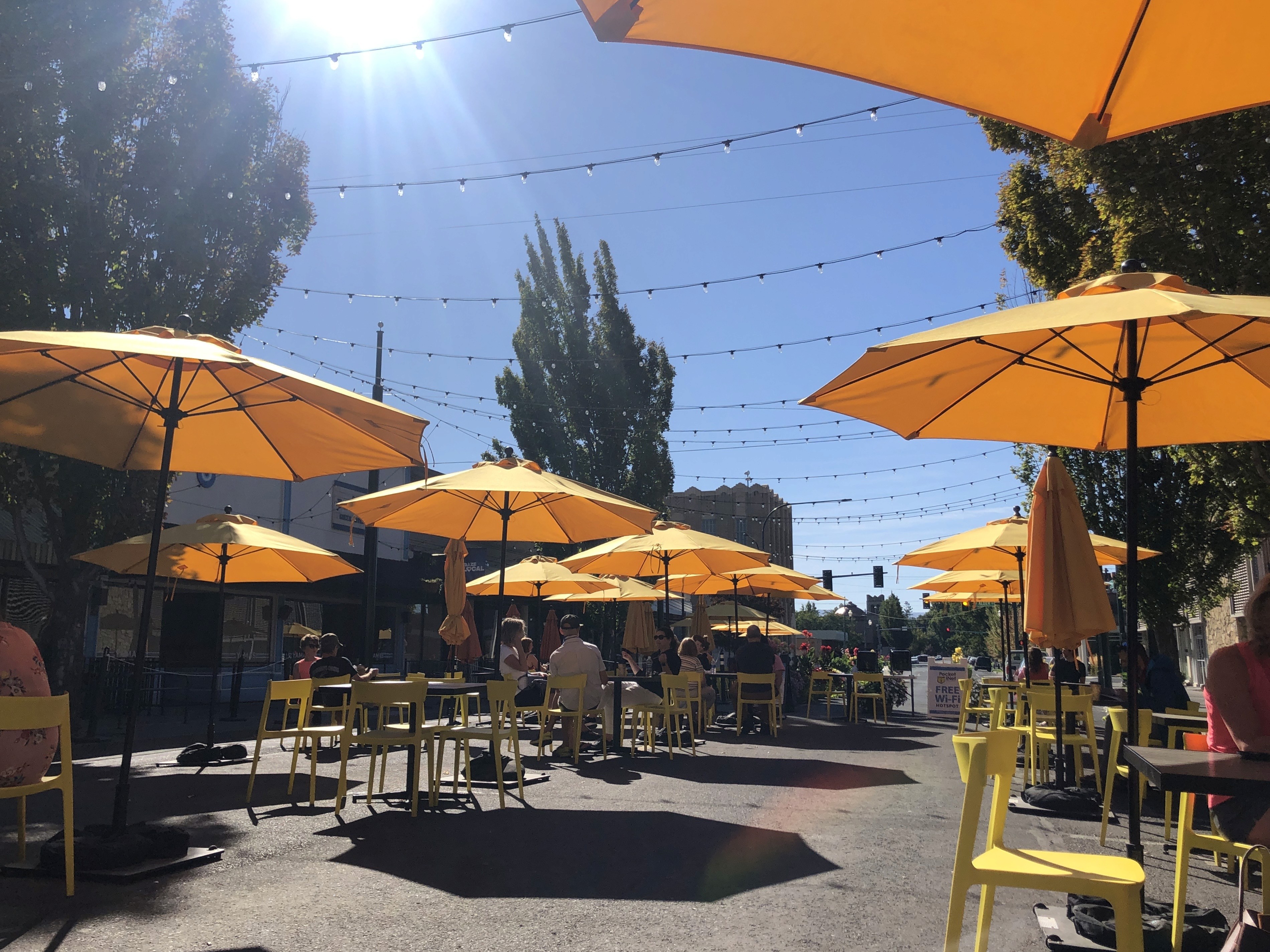
Places to start Downtown: Seven Hills Winery, House of Smith Wines / K Vintners, Spring Valley Vineyard, and the eclectic El Corazon Winery.
What to taste here: Look for wines carrying named vineyards and use Downtown as an opportunity to compare sites from different parts of Walla Walla.
Compare Without the Drive: Downtown gives you access to a broad cross-section of the valley's wines in a compact, walkable setting.
The Airport offers a different piece of Walla Walla history. Former World War II buildings have been repurposed as wineries, including Dunham Cellars in an old aircraft hangar.
Dunham also introduced us to a word that describes something we have observed throughout Walla Walla: "coopetition." The wineries compete, but they also share knowledge, recommend one another and contribute to a culture in which quality matters throughout the valley.
Places to start at the Airport: Dunham Cellars, Five Star Cellars, and explore the start-up wineries in the incubator project on Piper Avenue, a program created in part to help graduates of Walla Walla Community College's Enology and Viticulture program launch their wineries.
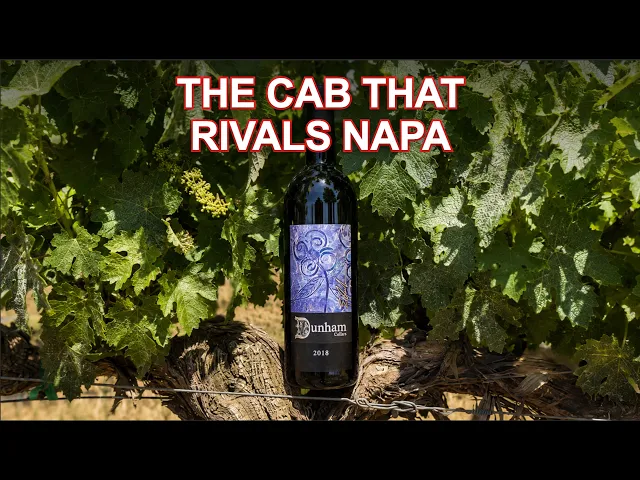
What to taste here: At Dunham Cellars, their Cabernet Sauvignon provides an example of why Washington Cabs are so respected. Venture out to their Lewis Vineyard Cab, sourced from grapes grown near Prosser in the Yakima Valley AVA. This is also a very good stop to explore the white and rose wines of Walla Walla. While at Five Star Cellars, tasting their Malbec is a must.
Experience Walla Walla Collaborative Side: The Airport connects another chapter of Walla Walla's history with the collaborative culture surrounding its wine industry.
Read more about the coopetition culture behind Dunham Cellars.
Three Cabernets Showed Us How Much Vineyard Site Matters
During a recent tasting at Seven Hills Winery, winemaker Bobby Richards poured three vineyard-designated Cabernet Sauvignons: the 2022 Seven Hills Vineyard Cabernet, the 2022 McClellan Estate Vineyard Cabernet and the 2023 Summit View Vineyard Cabernet. All came from the Walla Walla Valley and all were made by Bobby, yet they were strikingly different. Seven Hills Vineyard had the oldest vines of the three sites, McClellan Estate was a neighboring but younger vineyard, and Summit View was the youngest and highest-elevation site.
It was not a controlled comparison. Summit View came from a different vintage, and vineyard practices and other variables also differed. The tasting demonstrated how useful vineyard names can become when you begin paying attention to them. Soil, elevation, exposure, vine age, farming, vintage and winemaking can all influence the finished wine. The deeper technical discussion of Walla Walla terroir deserves its own companion article. For this guide, the lesson is practical: when you have the opportunity, taste the same grape from different Walla Walla vineyards.
What We Would Pour First
If you want to understand Walla Walla through the glass, we would explore it in four ways.
Rediscover Merlot
Merlot from Walla Walla can be vibrant, buoyant and complex, while showing the structure and concentration that distinguish many of the valley's red wines. Try Merlot from Long Shadows Vintners, Pepper Bridge Winery, Seven Hills Winery or Garrison Creek Cellars. Taste two side by side if you can and notice both the differences and the qualities they share.
Deep Dive Into Cabernet Sauvignon
Cabernet Sauvignon gives you a familiar grape through which to explore some of Walla Walla's best-known vineyards. Look for single-vineyard Cabernet from Seven Hills Vineyard, Pepper Bridge Vineyard, Les Collines Vineyard or McQueen Vineyard from Doubleback. Compare and contrast with higher-elevation vineyards of Southwind Vineyard or Ferguson Vineyard, both on the southern border of the Walla Walla AVA, or Kenney Hill Vineyard along Mill Creek Road. Comparing two sites gives you a practical way to experience how Cabernet can express different parts of the valley.
Explore Terroir Through Syrah
Syrah may provide one of the most dramatic Walla Walla comparisons. Try a Syrah grown in The Rocks District, such as Saviah Cellars' The Stones Speak, beside a Syrah from the cooler Les Collines Vineyard in the Blue Mountain foothills. Pay attention to the differences in aroma, texture, freshness, concentration and finish.
Experience a Place-Driven Estate
Finally, explore a producer such as FIGGINS Estate, where the wine is intended to express the estate rather than lead with individual grape varieties. FIGGINS Estate Red does not list the grape varieties on the front label. That decision reflects Chris Figgins' philosophy: the vineyard is the identity of the wine.
The Best Way to Leave Walla Walla
Do not try to leave Walla Walla knowing everything. Leave with reference points.
Remember one vineyard name. Compare one grape from two places. Ask one winemaker where else you should visit. Notice how the landscape changes as you move from the valley floor toward the mountains and across the Oregon border.
After nearly three decades, that is still how we explore Walla Walla. The vineyards have spread, the vines have matured, and the food scene has grown. Yet the valley remains serious enough to reward curiosity and approachable enough to let you learn one glass at a time.
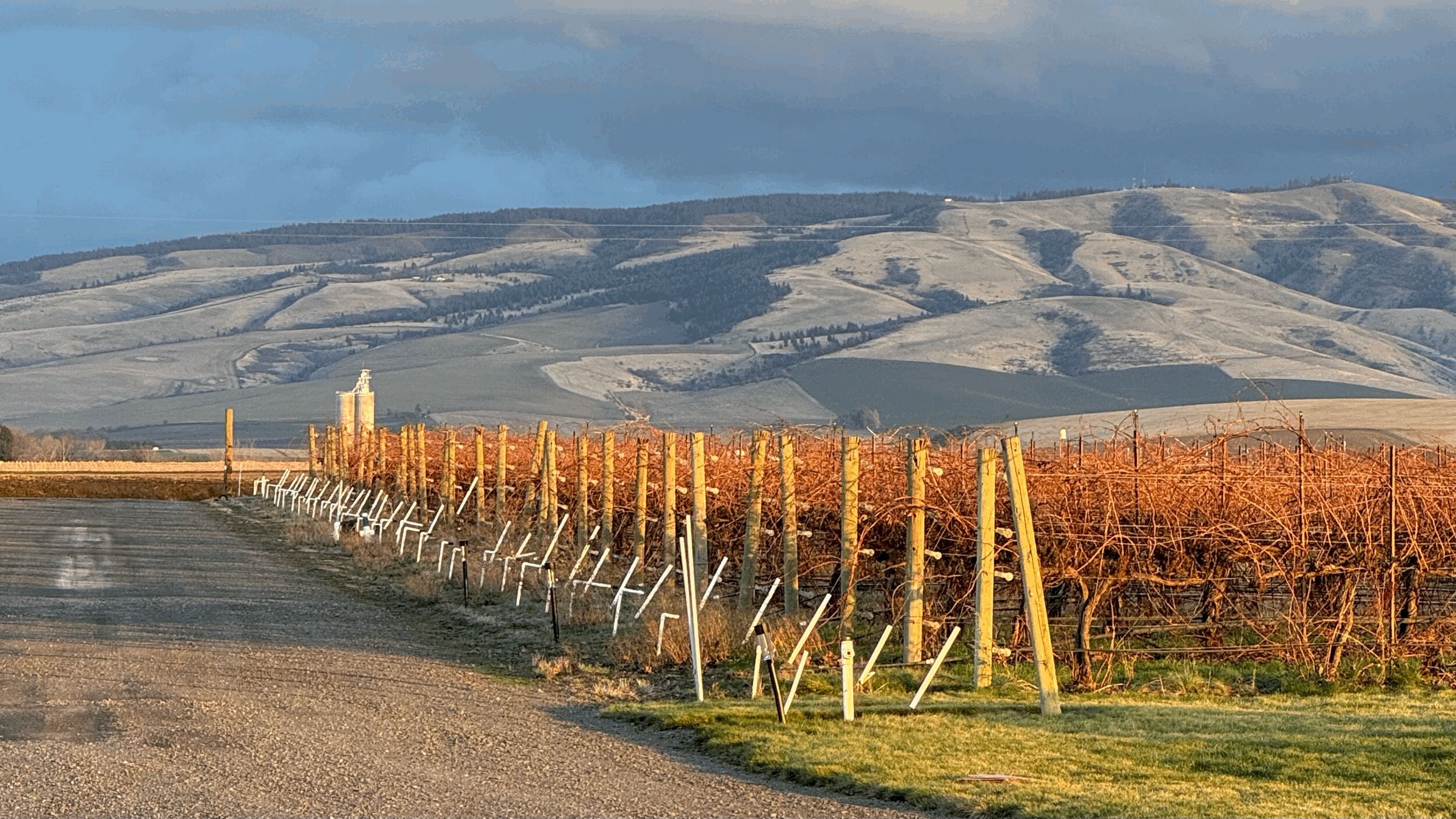
For more firsthand stories from the wine regions we return to, subscribe to the Spoken Wines newsletter.
Visit our United States page for a full overview of American wine.
FAQ: Walla Walla Wine
What wine is Walla Walla best known for?
Cabernet Sauvignon is the valley's most widely planted grape. Syrah and Merlot are also central to its identity. Together, those three varieties offer an approachable way to begin exploring how different Walla Walla vineyard sites express themselves in the glass.
Is Walla Walla wine country in Washington or Oregon?
Both. The Walla Walla Valley AVA crosses the state line between southeastern Washington and northeastern Oregon. The Rocks District of Milton-Freewater is a sub-AVA on the Oregon side.
Are Walla Walla's six wine districts separate AVAs?
No. Westside, Downtown, Airport, Eastside, Southside and Oregon are visitor districts used to help people navigate the region. The location of a winery or tasting room does not necessarily identify where the grapes in a particular wine were grown.
Why can two Walla Walla wines made from the same grape taste different?
Vineyards across the valley differ in soil, elevation, exposure, rainfall, vine age and farming. Vintage and winemaking choices matter as well. One of the easiest ways to experience those differences is to taste the same grape from two named vineyards.
Is Walla Walla good for a first wine-country trip?
Yes. Downtown offers walkable tasting and a strong food scene, while the surrounding growing areas are close enough to explore over several days. The region also offers opportunities to meet people directly involved in growing and making the wines.
How many days do you need in Walla Walla?
Two or three days gives you enough time to combine Downtown with several contrasting parts of the valley without turning the trip into a checklist. Leave time between appointments to enjoy the landscape, food and conversations along the way.
Which Walla Walla wineries should I visit?
Choose wineries that expose you to different parts of the region rather than concentrating every tasting in one area. The "Places to start" recommendations throughout this guide provide options in each part of Walla Walla, whether or not we have yet told their individual stories on Spoken Wines.
More from this country

United States
Woodward Canyon Winery - What Comes After You Help Build a Wine Region
The evolution of Walla Walla wine and how the Small family is protecting its legacy by continuing to question, experiment, and listen to the vineyard.
United States
What Makes Dunham Cellars Stand Out in Walla Walla? The Dog, the Art, and a Legacy Carried Forward
Inside the former World War II hangar where family, art, wine, and the memory of Eric Dunham continue to shape one of Walla Walla's most personal wineries.
United States
How Kerry Hill Winery Turned a Neglected Idaho Vineyard Into a Working Estate
From McDonald’s pioneer to Kerry Hill Winery, Mindy Mayer’s story of discipline, unthinkable loss, and moving forward



From Vineyard to Inbox
Subscribe to our newsletter