Woodward Canyon Winery - What Comes After You Help Build a Wine Region
The evolution of Walla Walla wine and how the Small family is protecting its legacy by continuing to question, experiment, and listen to the vineyard.
Jan de Weerd - Spoken Wines

This will hide itself!
Woodward Canyon helped establish Walla Walla as a serious wine region by bringing curiosity, experimentation, and collaboration to a place better known for farming than wine. Forty-five years later, the winery remains pioneering for the same reason: the Small family treats its history as permission to keep evolving, not as a formula to preserve.
In 1981, there wasn’t much of a wine industry in Walla Walla to join. There was wheat. There were onions and asparagus. And there were a few people wondering whether this corner of Washington might be capable of producing serious wine. Rick Small was one of them. He had begun planting grapes on family farmland a few years earlier. His friend Gary Figgins, who founded Leonetti Cellar, was experimenting too. They tasted wines together, shared ideas, and pushed one another to learn. When Rick and his wife, Darcey, established Woodward Canyon in 1981, theirs became only the second winery in the Walla Walla Valley.
They weren’t trying to create one of America’s great wine regions. As their daughter Jordan Small told us, “They were just doing what they loved.”
Forty-five years later, that may be the most interesting part of the Woodward Canyon story. Because eventually pioneers face a different challenge. Once you have helped establish the traditions, reputation and expectations of a region, how do you keep the pioneering spirit alive? We visited Woodward Canyon twice. First to sit down with Jordan, and later to walk the vineyards and cellar with newly appointed winemaker Marcus Rafanelli. What we found was a family deeply conscious of its history, but surprisingly uninterested in simply preserving it.
The next chapter of Woodward Canyon isn’t about choosing between heritage and change. It is about discovering how one can make the other stronger.

“They weren’t trying to create one of America’s great wine regions. They were just doing what they loved.” Jordan Small
Before Walla Walla Was Wine Country
To understand Woodward Canyon, you have to imagine Walla Walla before the tasting rooms, destination restaurants and more than a hundred wineries.
Rick Small came from a farming family. When he became interested in growing grapes, his father gave him some of the family’s poorest wheat ground. Rick planted Chardonnay. People thought he and the other early growers were a little crazy. But Rick had something perhaps more valuable than certainty: curiosity. He tasted, experimented and learned alongside Gary Figgins and other early wine enthusiasts. Jordan told us that the group would even pool their money to buy wines from Bordeaux so they could taste and learn together.
That spirit became part of what Jordan calls the “Walla Walla way”: quality, passion, camaraderie and approachability. Rick and Darcey became deeply involved in building the young wine community around them, and Woodward Canyon’s wines helped demonstrate what was possible. Its 1987 Dedication Series Cabernet Sauvignon became the first Washington wine to reach Wine Spectator’s Top 10. Yet the accomplishment was larger than any one bottle. These early pioneers helped prove that Walla Walla could produce serious wine while creating a culture in which others could succeed alongside them.
Rick Small on the April 15, 1992 cover of Wine Spectator, “Leading the Way in Washington.”
Inheriting a Legacy Without Becoming Trapped by It
Jordan remembers growing up among vineyards, barrels and cases of wine. Even today, the smell of sulfur in a vineyard can take her straight back to childhood. Yet Rick and Darcey never insisted that their children take over the winery. Jordan studied international affairs and worked elsewhere in the wine industry before returning to Woodward Canyon in 2013. Her brother Sager took his own route through culinary arts and restaurants before studying enology and viticulture and returning to the family business. They didn’t simply inherit jobs. They came home carrying experiences and perspectives of their own.
Jordan told us it would be easy for a winery with more than four decades of history to “rest on our laurels.” Instead, she looks back to one of her father’s defining characteristics: Rick experimented. Over the years Woodward Canyon made Pinot Noir, Riesling, Orange Muscat and other wines. He wasn’t protecting a formula; he was trying to understand what was possible. That may be the more important inheritance: not simply the wines Rick made, but the curiosity that made him make them. The challenge for the next generation isn’t to reproduce 1981. It is to preserve the willingness to explore that made 1981 possible.

The next generation’s challenge is to preserve the willingness to explore that made 1981 possible.
Old Vines, Fresh Eyes
We saw that philosophy again when we returned to Walla Walla to meet Woodward Canyon’s new winemaker, Marcus Rafanelli. Marcus came with more than two decades of winemaking experience, including six years leading the winemaking team at L’Ecole No 41. You might expect a winemaker entering one of Washington’s historic wineries to encounter carefully guarded traditions and a long list of things that should never be changed. Marcus found almost the opposite.
What surprised him was the family’s openness: respect for what Rick, Darcey and longtime winemaker Kevin Mott had built, combined with a willingness to ask questions, experiment and search for better ways of expressing the fruit. Marcus described it as a rare blend of “authenticity and curiosity and heritage and innovation.”
Walking Windrow Vineyard with Marcus, among Cabernet Sauvignon vines planted in 1979, brought that philosophy to life. He talked about the consistency of old vines and showed us how decisions about water, canopy, sunlight and crop load eventually become part of what we taste in the glass. But his simplest comment said the most: his job is to listen to the vineyard. The same thinking follows the grapes into the cellar. That listening continues in the winery. Fermentation, extraction, barrel choice and aging aren’t opportunities to impose a winemaker’s personality on the fruit. They are decisions intended to reveal what was already there. Marcus described oak as the “salt and pepper” rather than the main ingredient. Too much, he told us, and “you take the vineyard out of the conversation.”
That may also be a fitting metaphor for Woodward Canyon itself.
History is present everywhere here: in the old vines, the library bottles, the family photographs and wines that helped put Washington on the national wine map. But history isn’t supposed to drown out what comes next. Jordan talks about continuing to evolve; Marcus brings fresh eyes and a willingness to experiment. Maybe that is what being an original really means. It isn’t doing today exactly what you did in 1981. It is approaching today with the same curiosity that made you willing to try something new in 1981.
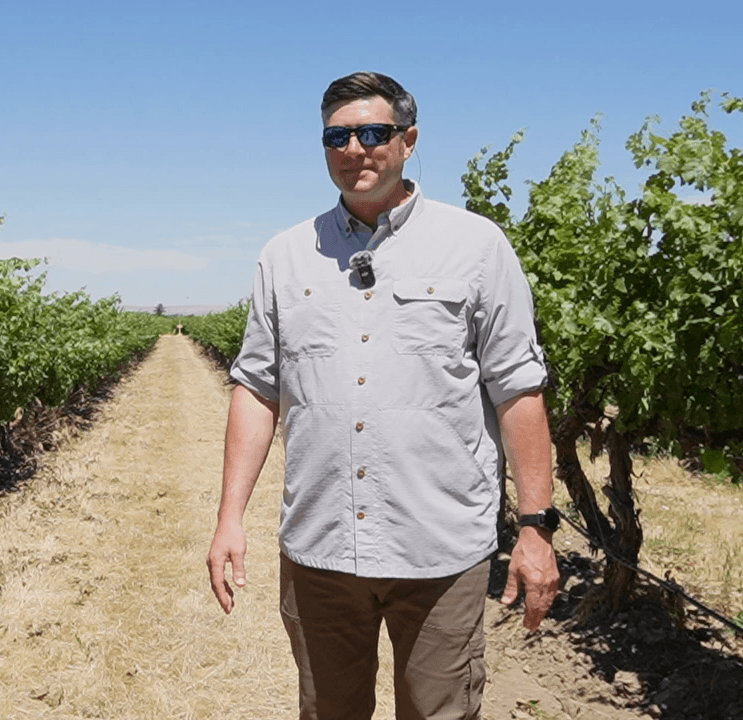
Woodward Canyon’s new winemaker, Marcus Rafanelli, described the culture as a rare blend of “authenticity and curiosity and heritage and innovation.”
Planning a Visit to Woodward Canyon
Woodward Canyon’s tasting room is in Lowden, at the western entrance to the Walla Walla Valley. It is a useful first stop if you want to understand the agricultural roots and early history of the region before continuing toward downtown and the surrounding vineyard districts.
The winery currently welcomes walk-ins for smaller groups and offers tastings, patio seating, and garden picnic tables. Hours, fees, holiday closures, and group requirements can change, so confirm the current details on Woodward Canyon’s visitor page before traveling.
More from this country
United States
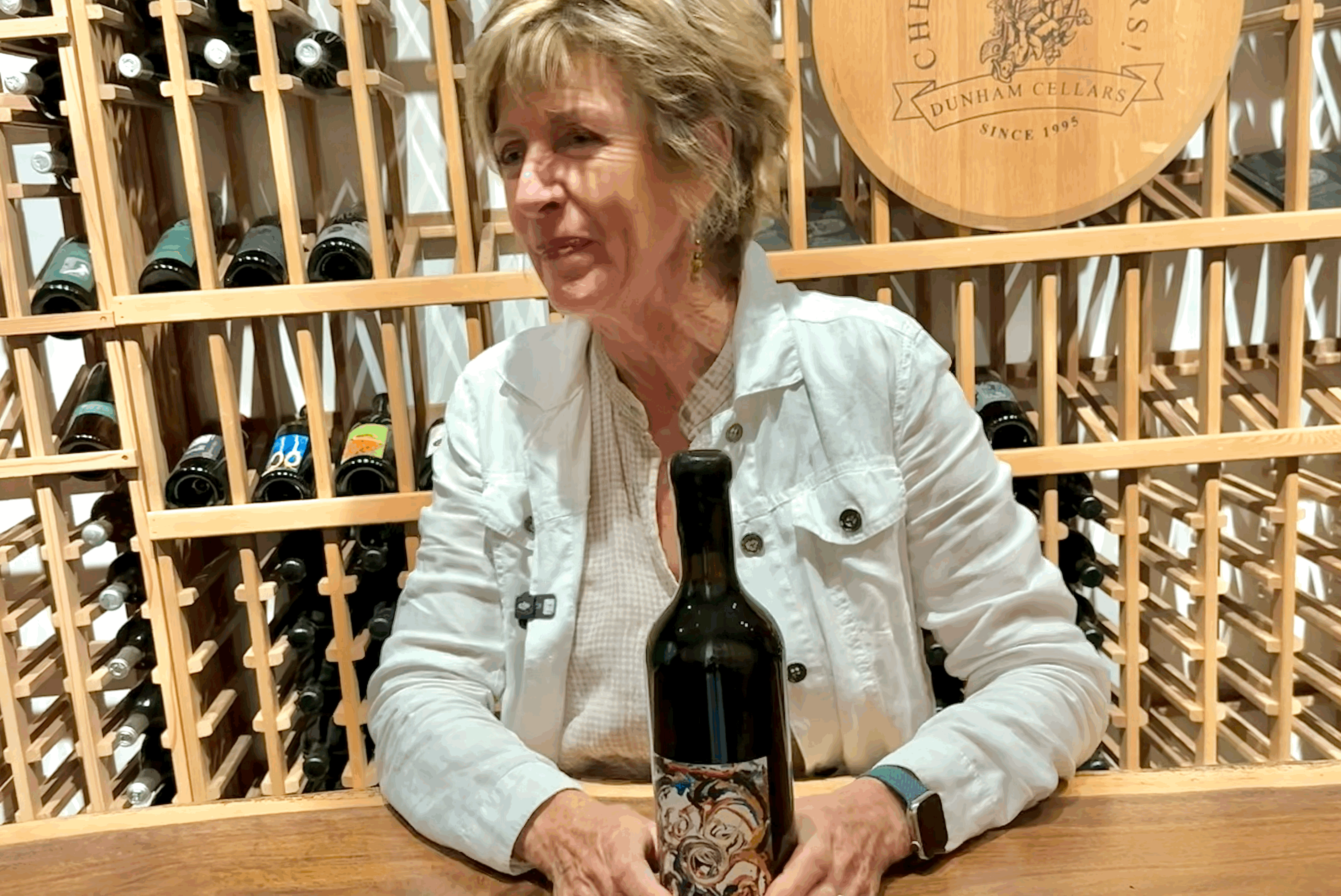
What Makes Dunham Cellars Stand Out in Walla Walla? The Dog, the Art, and a Legacy Carried Forward
Inside the former World War II hangar where family, art, wine, and the memory of Eric Dunham continue to shape one of Walla Walla's most personal wineries.
United States
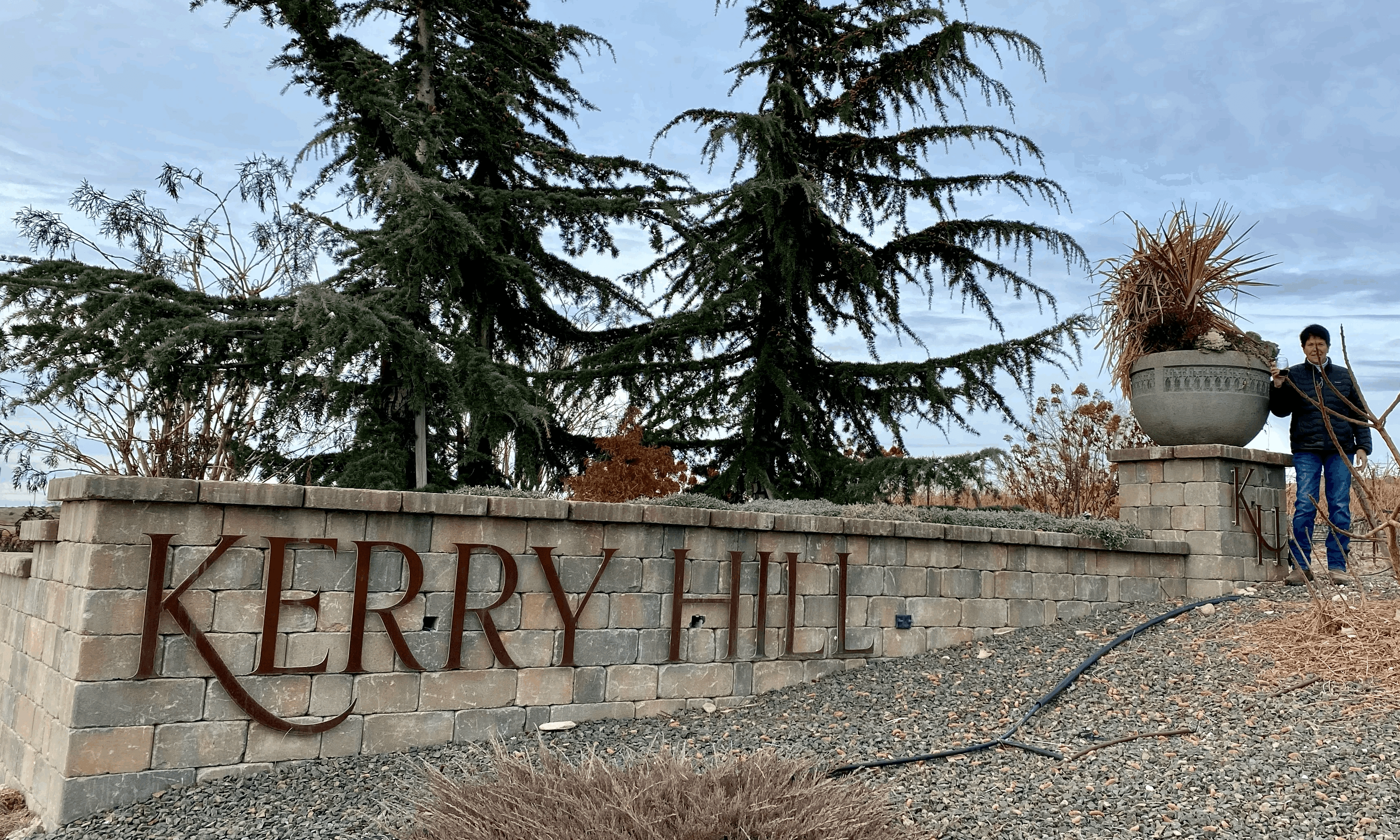
How Kerry Hill Winery Turned a Neglected Idaho Vineyard Into a Working Estate
From McDonald’s pioneer to Kerry Hill Winery, Mindy Mayer’s story of discipline, unthinkable loss, and moving forward
United States
Christophe Baron and Cayuse: How the Rocks District Changed American Wine
Why one French winemaker looked at a barren field of stones and simply said, "This is it."



From Vineyard to Inbox
Subscribe to our newsletter