Don’t Blame the Grape: Why the Same Grape Variety Can Taste So Different
How place, vineyard and winemaker can turn one grape into wines you would never guess were related
Jan and Tammy de Weerd - Spoken Wines

This will hide itself!
If you don’t like a particular type of wine, try the same grape from somewhere else. Climate, soil, elevation and winemaking can change its ripeness, acidity, texture and flavor so completely that you may discover it wasn’t the grape you disliked after all.
“I don’t like Chardonnay.”
I’ve said that more times than I can count. What I really mean is that I don’t particularly enjoy the richer style of Chardonnay I have often encountered in California: the buttery character, the mouth-coating texture, the vanilla and oak. For a long time, though, I blamed Chardonnay.
Then we traveled to France and tasted Chardonnay in Chablis. I was astounded. Here was the same grape, yet I loved its lighter-to-medium body, minerality and fresh acidity. If I hadn’t known both wines were Chardonnay, I’m not sure I would have put them in the same category. It is one of those experiences that can change the way you approach wine, because suddenly the grape itself no longer seemed like enough information.
Jan has his own version of the story. His grape was Viognier. He had tried it from France, Idaho and other places and had pretty well decided it simply wasn’t for him. Then he tasted a fully ripened Viognier from the Rocks District of Milton-Freewater and discovered an expression of the grape he thoroughly enjoyed.
So much for not liking Viognier.
Those experiences have become something of a rule for us: Don’t blame the grape.
If you don’t like a Cabernet Sauvignon, Chardonnay, Malbec, Pinot Noir or Syrah, resist the temptation to cross that grape variety off your list. First ask yourself what you didn’t like. Then try the grape again, from another place, another vineyard or perhaps from the hands of another winemaker.
Because the grape is only the beginning.
Why Can the Same Grape Taste So Different?
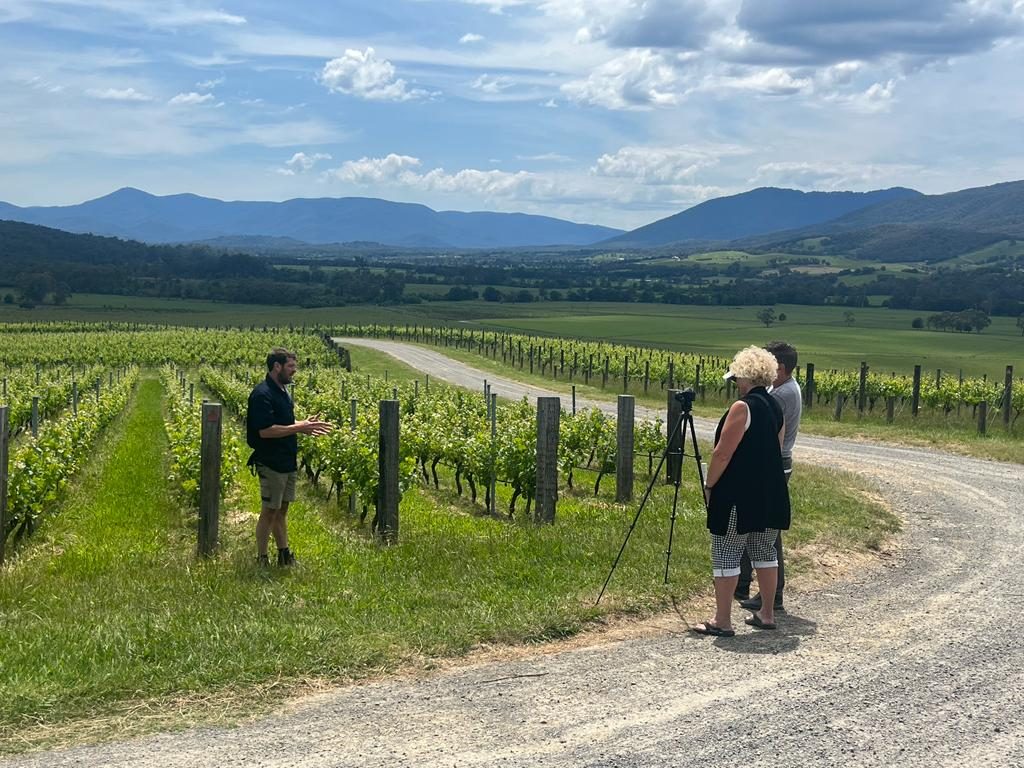
Among the vines in Yarra Valley, Victoria, Australia, where place and people become part of the wine story.
The simple answer is place and people.
A grape variety has certain characteristics, but the place where a grape grows influences how it develops long before it reaches the winery. A vine growing in a cool, elevated vineyard has a different growing experience than one in a warmer valley. Vines rooted in rocky, well-draining ground face different conditions from those growing in deeper soils with greater access to water. Those differences impact ripening, acidity, fruit development and the grapes a winemaker has to work with.
From there, people become part of the story. Decisions made in the vineyard continue through harvest and into the cellar, where choices can preserve freshness, build structure, soften tannins, shape texture, add complexity or allow the character of a particular vineyard to remain as unobstructed as possible.
The word terroir is often used relative to the relationship between a wine and the place where its grapes are grown. The more wine regions we visit, however, the more we have come to appreciate that understanding place isn’t simply about comparing one country with another. Sometimes the differences emerge between neighboring regions, vineyards or even sections of the same estate.
Malbec, Pinot Noir and Syrah have given us some of our most memorable examples.
Why Does Malbec Taste So Different Across Argentina and France?
I was not well versed in Malbec before our first trip to Argentina. I had enjoyed a few, but it wasn’t a wine I typically sought out. That first visit changed that. The Malbecs we experienced blew my socks off.
Almost five years later, we returned to discover that Argentine Malbec had continued to evolve. Producers were evaluating where their grapes were grown and how best to express those vineyards. Rather than leaving us with one idea of what Malbec from Argentina should taste like, the trip did exactly the opposite. We began to recognize how many different personalities one grape could have.
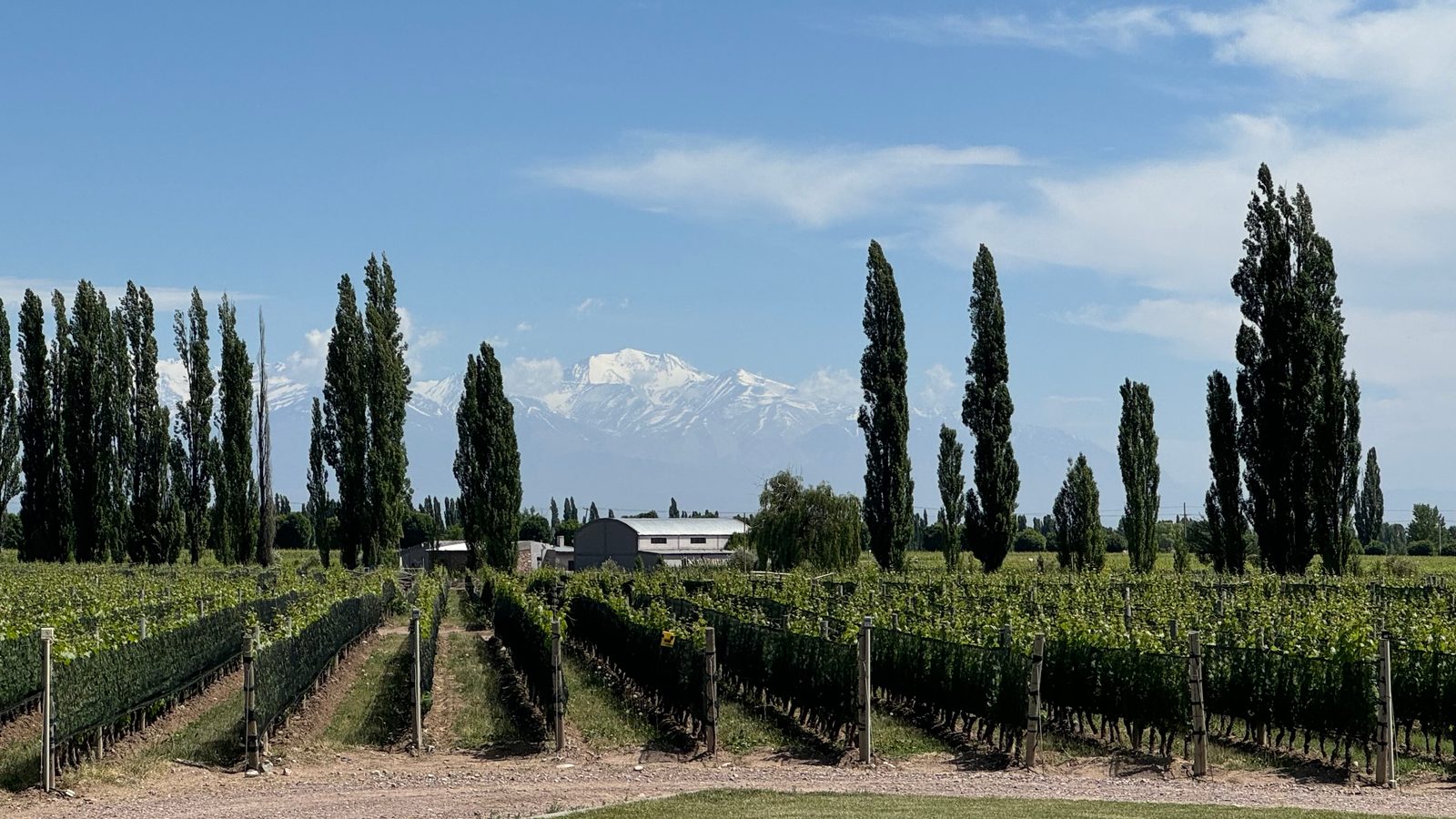
The Andes rise behind the vineyards of Zuccardi Valle de Uco in Mendoza, Argentina.
Zuccardi Valle de Uco brought that lesson into particularly sharp focus. The Andes don’t simply provide a spectacular backdrop to the vineyards; the mountains have shaped the alluvial soils below them, creating sites that the Zuccardi family has spent years studying and interpreting through wine.
That exploration was evident in the glass. Concreto Malbec, fermented and aged in concrete rather than oak, offered a fresher expression that brought the fruit and vineyard forward. Finca Las Cerrilladas Malbec took us deeper into the idea of a specific place, allowing us to experience what happens when the focus narrows from a region to an individual vineyard. José Zuccardi Malbec, the oaked Malbec in the lineup we experienced, provided another perspective on the variety and the choices available to the winemaker.
Rather than being asked to accept that terroir makes a difference, we were tasting the differences side by side.
Learn how the Andes shape Zuccardi.
If Zuccardi helped us understand how a place can reveal different sides of Malbec, MAAL Wines demonstrated just how far a winemaker can take the same grape in another direction.

At MAAL Wines, one grape, Malbec, is explored through remarkably different expressions.
MAAL stands for Malbec As Alfredo Likes, and that sense of curiosity runs throughout the wines. Instead of building a portfolio around numerous grape varieties, the team has explored Malbec itself, moving beyond the familiar fuller-bodied red into fresh, lighter and sometimes genuinely unexpected expressions. It is difficult to leave a MAAL tasting thinking of Malbec as a single style of wine.
See the many faces of Malbec at MAAL.
It led us to a question we still find useful:
Instead of asking, “Do I like Malbec?” perhaps the better question is, “Which Malbec do I like?”
Malbec’s story began long before Argentina made the grape its own. In France, particularly Cahors, the expressions we have tasted have been leaner and more restrained than many of the Argentine Malbecs familiar to American wine drinkers. That alone provides an interesting comparison, but our experiences in Argentina taught us that you don’t necessarily need to cross the Atlantic to find contrast. Moving between producers and vineyard sites within Argentina can be enough to challenge your assumptions.
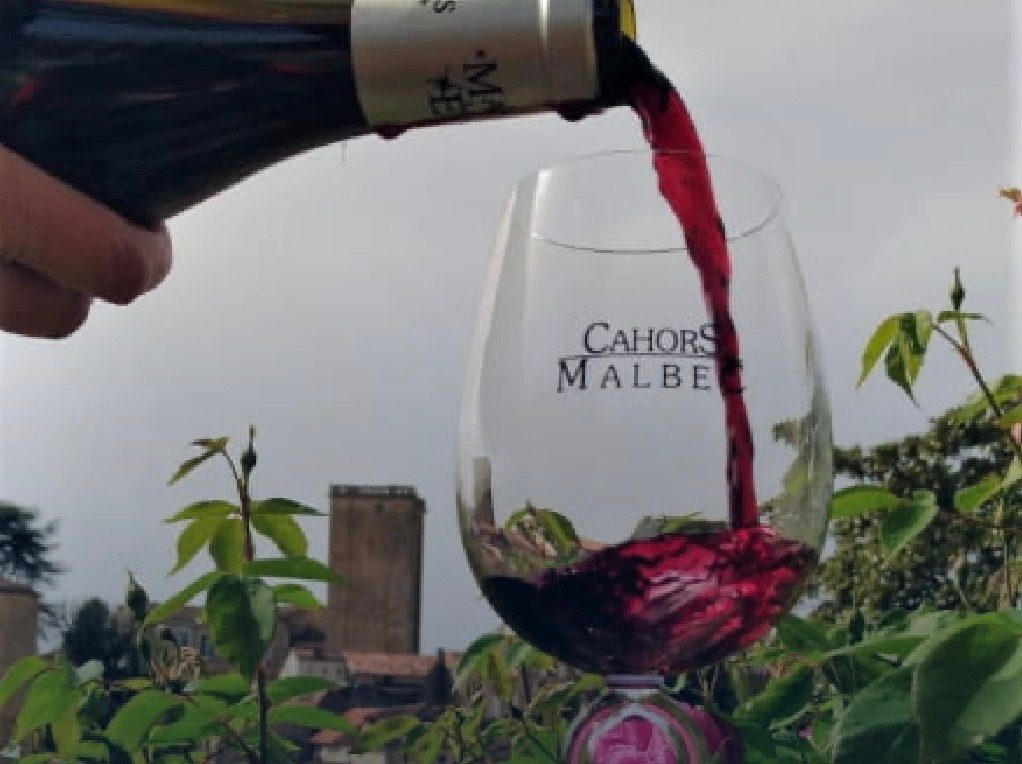
Cahors, France, where Malbec has a history long before the grape became synonymous with Argentina.
So when a Malbec doesn’t appeal to you, ask yourself what you didn’t like about it.
Was it too rich? Too ripe? Too full-bodied? Did it feel flat? Was there too much oak?
The answers begin pointing toward what to try next. You might not need another grape. You may simply need another Malbec.
Learn how Pulenta, in Luján de Cuyo just south of Mendoza, crafts its precise, distinctive Malbec.
How Burgundy and Central Otago Shape Pinot Noir Differently
Few regions have taught us more about the specificity of place than Burgundy.
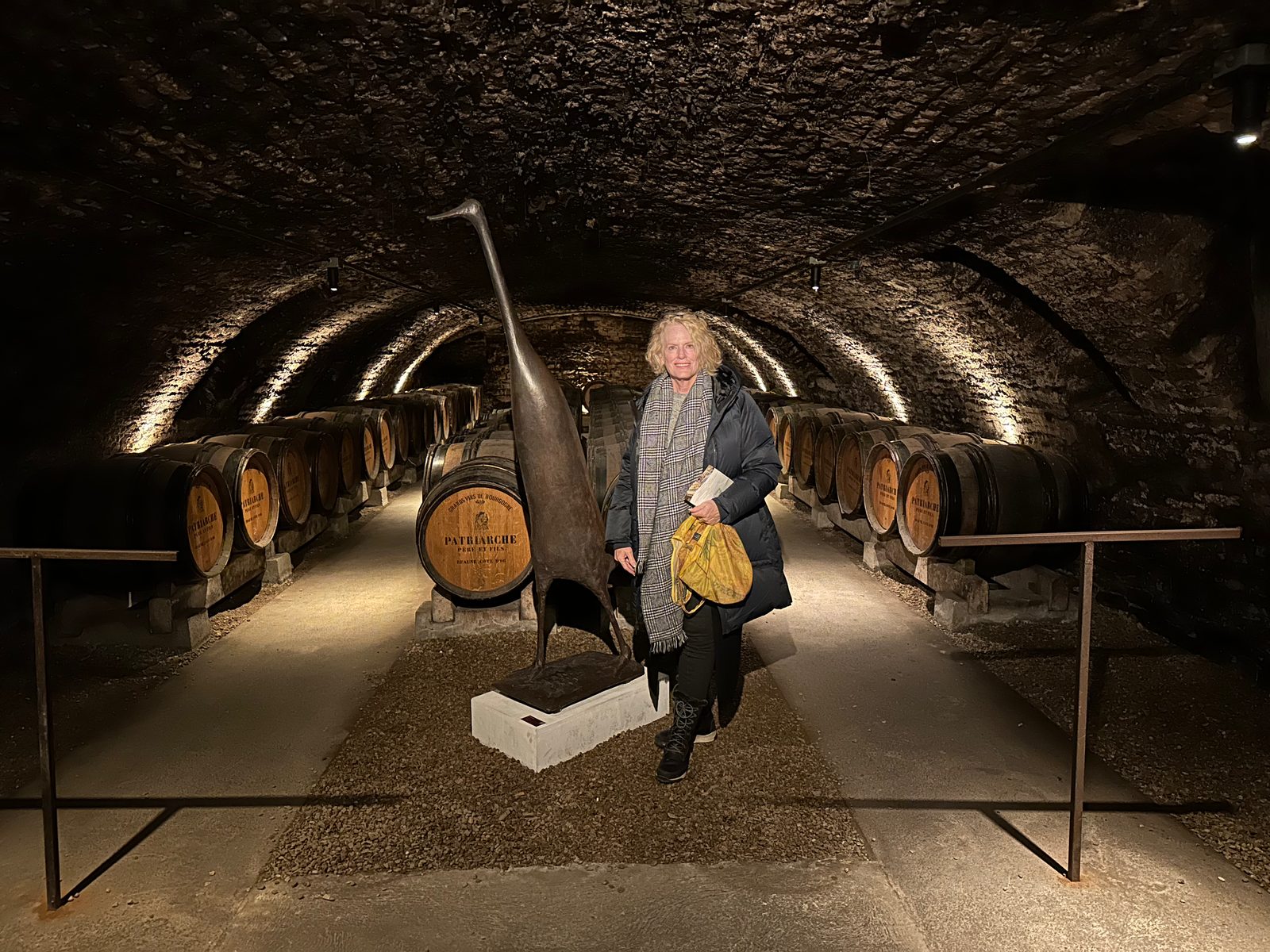
The 13th-century cellars beneath Patriarche Père et Fils in Beaune, Burgundy, France.
Pinot Noir is the great red grape of Burgundy, yet ordering or purchasing “a Burgundy Pinot Noir” barely begins to describe what might be in the bottle. As we traveled through the region, we became increasingly aware of the distinctions between the Côte de Nuits and Côte de Beaune, with the Côte de Nuits generally aligning more closely with our own preferences because of its more vibrant, mineral character.
Burgundy draws you further into place. The name of a village begins to carry meaning. Within those villages, individual climats have been recognized over generations for the distinctive wines they produce. Village, Premier Cru and Grand Cru designations further identify where a wine comes from within Burgundy’s remarkably detailed vineyard landscape.
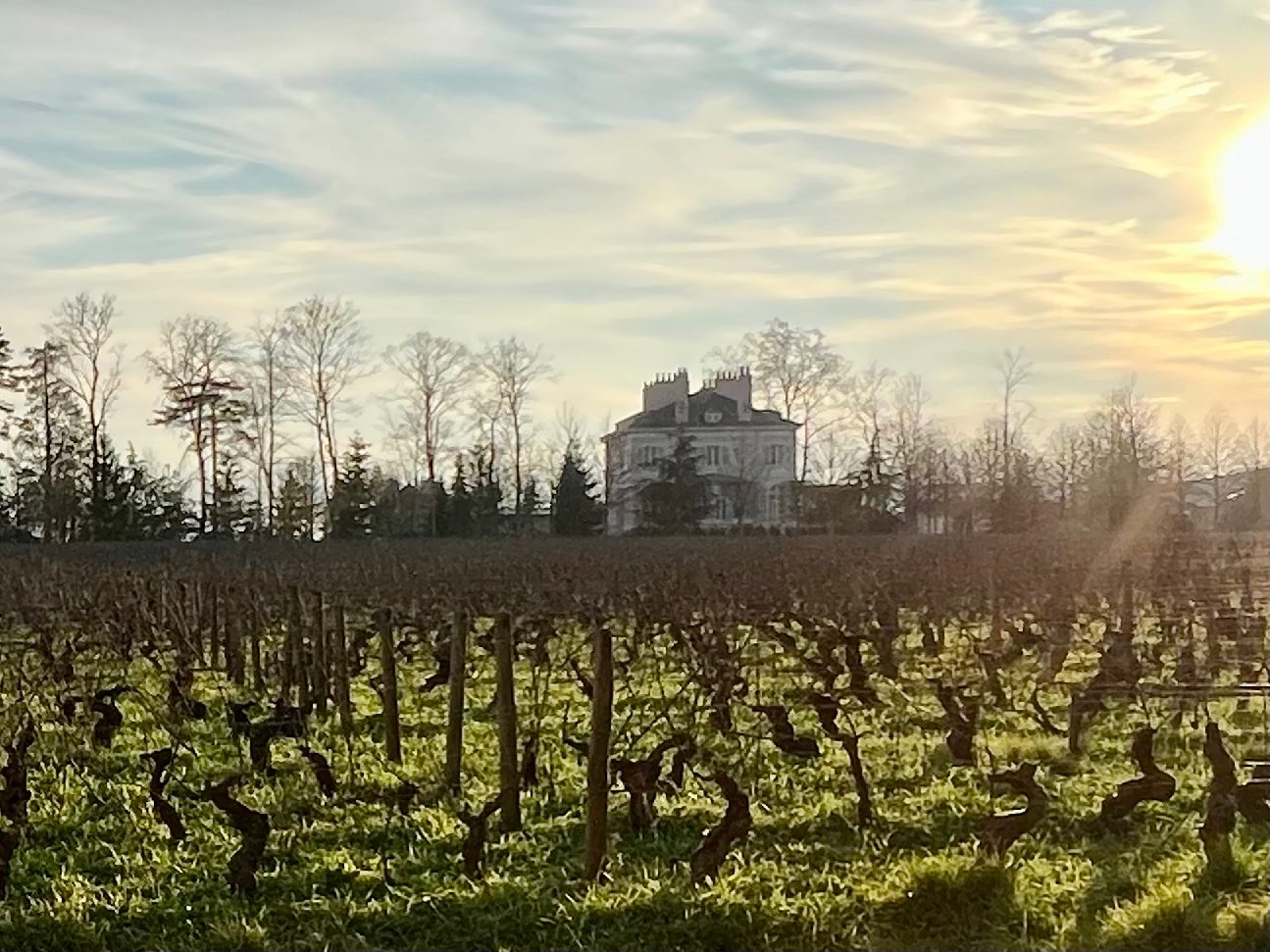
Vineyards near Pommard in Burgundy’s Côte de Beaune, where remarkably small changes in place can produce different expressions of Pinot Noir.
Pommard, in the Côte de Beaune, was one of our memorable exceptions to our general preference for the Côte de Nuits. Its wines gave us another opportunity to experience how Burgundy interprets Pinot Noir through the very specific places where it is grown. Within remarkably short distances, geological and microclimatic conditions can change, contributing to distinctly different expressions of the same grape.
The Pinot Noirs that have captivated us in Burgundy have been bold in their complexity while retaining remarkable elegance. Their layers reveal themselves gradually, supported by a freshness that keeps the wines vibrant rather than heavy. Jan often talks about the sensation of acidity almost tickling the inside of your cheeks. That freshness cleans the palate and leaves you ready (and wanting) to take another sip.
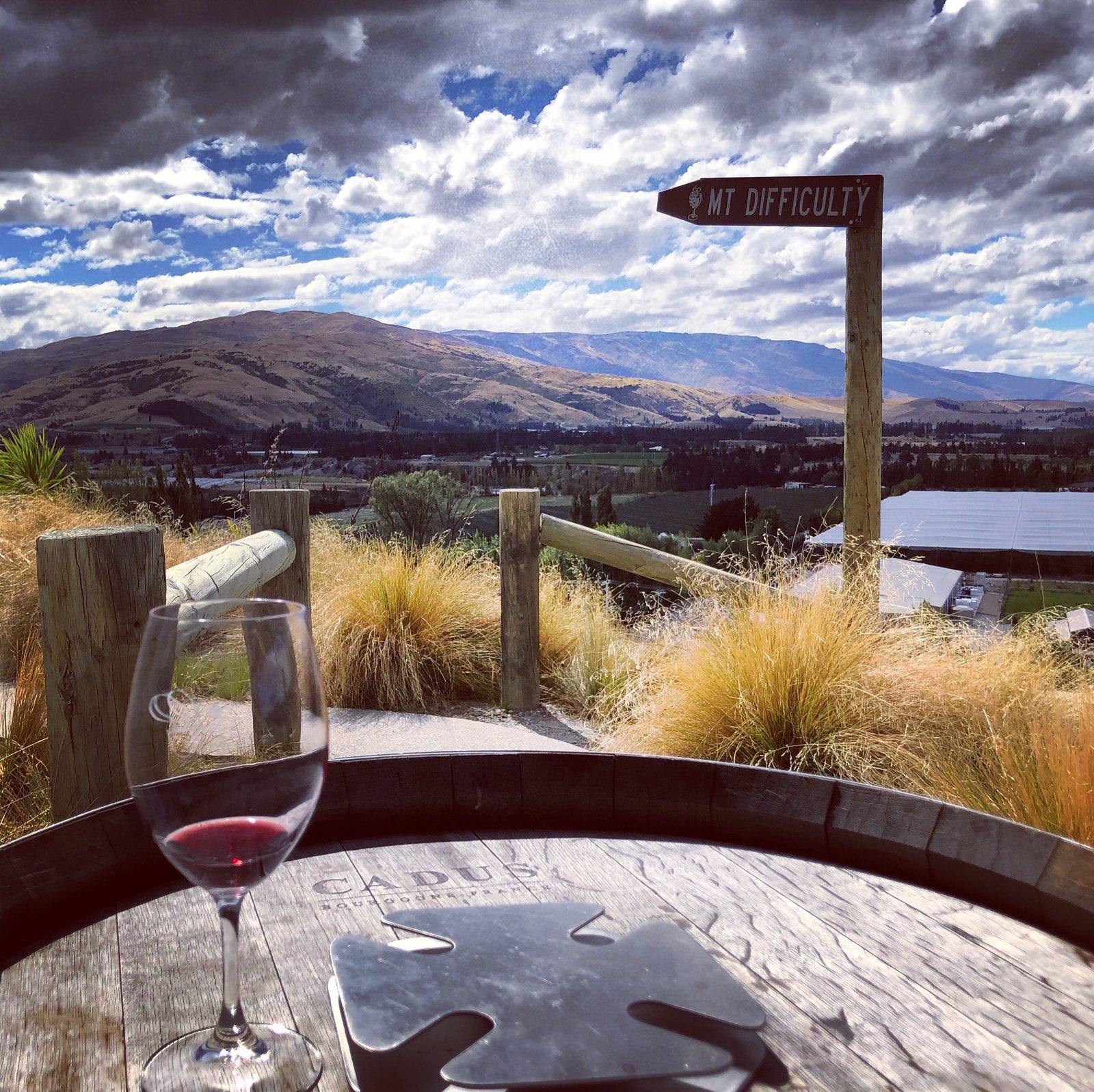
Mt Difficulty Wines in Bannockburn, Central Otago, New Zealand: another place, another expression of Pinot Noir.
Travel halfway around the world to Central Otago, New Zealand, and Pinot Noir presents itself as distinctly different. The examples we’ve enjoyed there have generally shown stronger fruit and a more pronounced earthy and savory character, including an intensity Jan sometimes describes as “burnt earth,” making the contrast with Burgundy particularly interesting.
Jan enjoys both styles, although given the choice he will usually gravitate toward a good Burgundy Premier Cru. I often lean a little more toward Central Otago and its bolder expression.
Neither of us is right.
That’s the fun of it.
The same grape can take us to two very different places, and our individual preferences can take us in different directions once we arrive. Someone who first encounters Pinot Noir through one of those expressions could easily decide the grape isn’t for them without ever discovering the other.
Perhaps the question isn’t whether you like Pinot Noir.
It’s where you like Pinot Noir, and how you like it expressed.
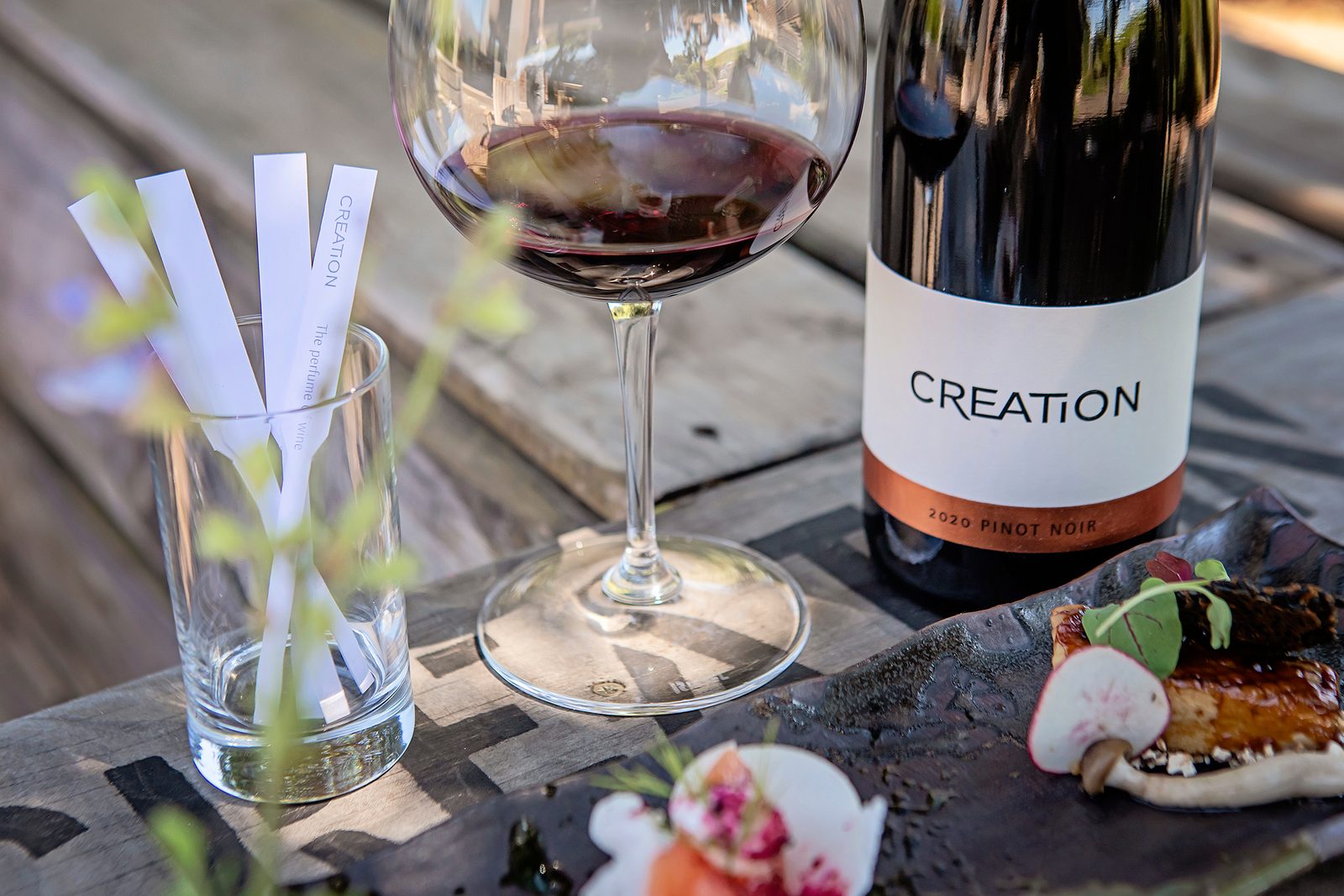
Pinot Noir at Creation Wines in South Africa’s Hemel-en-Aarde Valley adds yet another expression of this remarkably place-sensitive grape.
If you want to explore yet another expression of Pinot Noir, travel with us to Creation Wines in Hemel-en-Aarde.
Why Do Syrah and Shiraz Taste So Different Across Regions?
Syrah and Shiraz provide one of the most dramatic opportunities to test the premise because, despite the different names, they are the same grape variety.
The Northern Rhône in France gave us one expression. The wines we experienced there showed freshness, complexity and layers of fruit and subtle spice while retaining an elegance that kept us coming back to the glass.
Barossa Shiraz can take that same grape somewhere very different. The wines that have captured our attention there often have greater ripeness and concentration, with generous fruit balanced by distinct spice, tannin and enough acidity to hold that power together. Producers such as Hewitson, Greenock Creek and Torbreck have given us memorable examples of what Barossa can do with Shiraz while also demonstrating how much the individual vineyard and the philosophy of the producer still influence what ultimately reaches the glass.
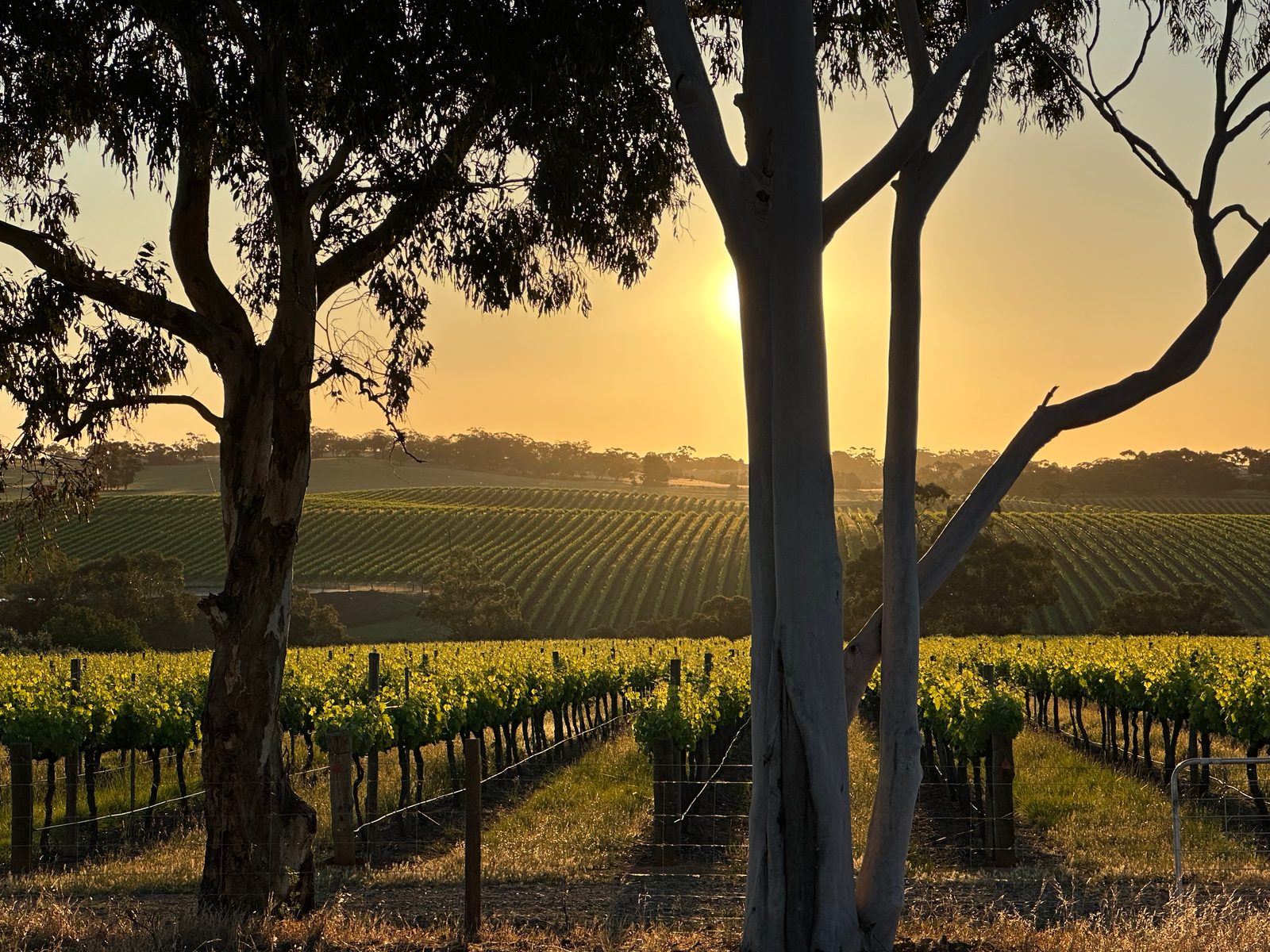
Vineyards at sunset in Australia’s Barossa Valley, renowned for its powerful expressions of Shiraz.
Explore Australian wine regions and wineries.
Choosing between those expressions isn’t necessarily about deciding which one is “better.” One might compare it to choosing a movie. Some evenings you want an intense drama; another night you might prefer something lighter, or simply a good comedy. What you want from the experience can change, and wine isn’t much different.
Hentley Farm took that idea from the scale of continents down to roughly 200 meters.
The winery’s aptly named The Beauty and The Beast are contrasting expressions of Shiraz from vineyard blocks only about 200 meters apart.
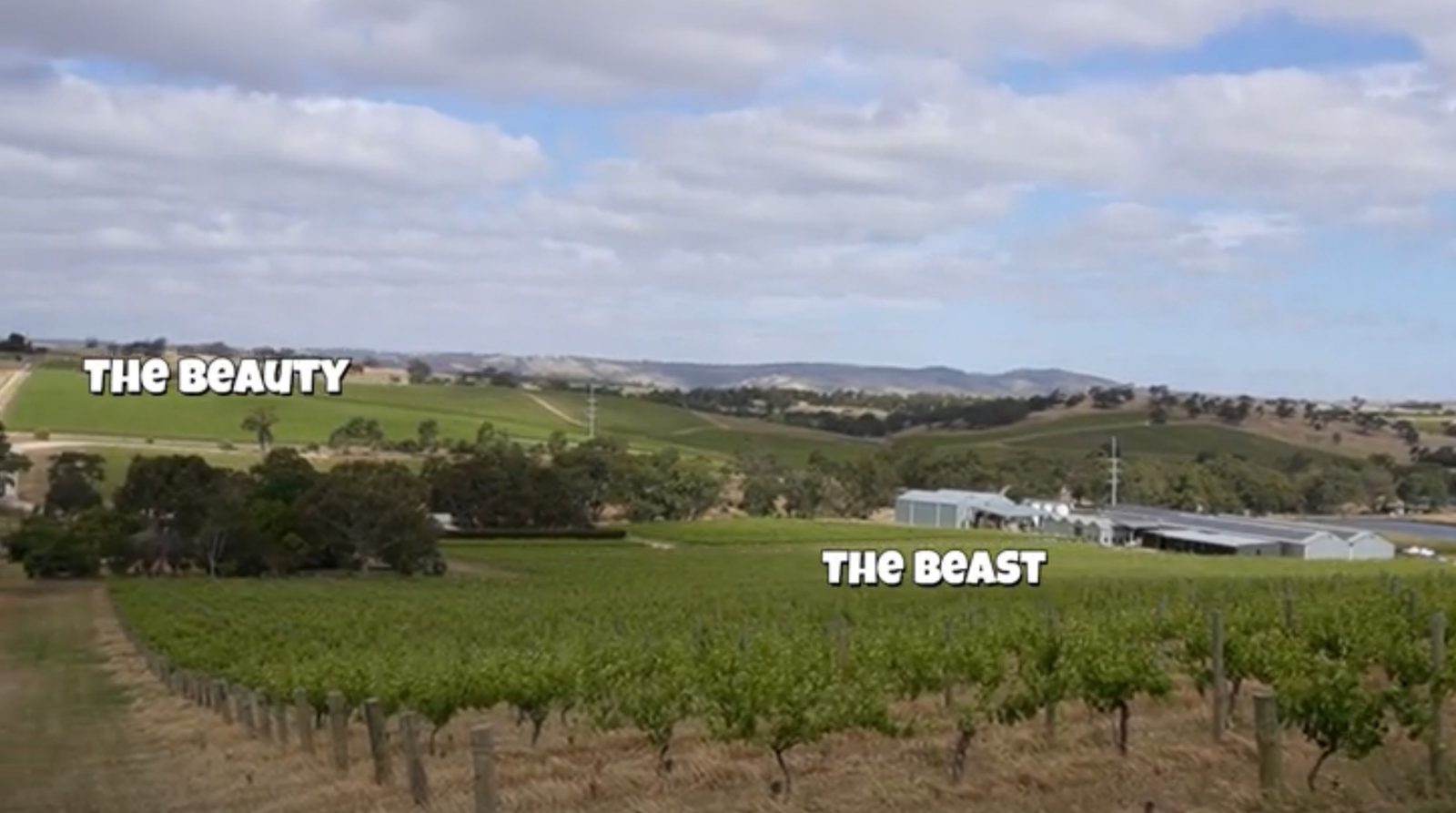
The Beauty and The Beast vineyard blocks at Hentley Farm: two expressions of Shiraz grown only about 200 meters apart.
The differences in their sites create different growing conditions and, ultimately, wines with very different personalities. The Beauty shows the more elegant side of Shiraz; The Beast carries greater power and intensity.
Two hundred meters.
Suddenly saying “I don’t like Australian Shiraz” seems like a remarkably broad conclusion.
See how Hentley Farm’s two Shiraz blocks reveal Barossa terroir.
We encountered another compelling expression of this idea at Hartenberg Wine Estate in South Africa, where Gravel Hill and The Stork reveal different interpretations of Syrah from within the same estate. Once again, the experience encourages you to look beyond the grape name and become curious about the vineyard behind it.
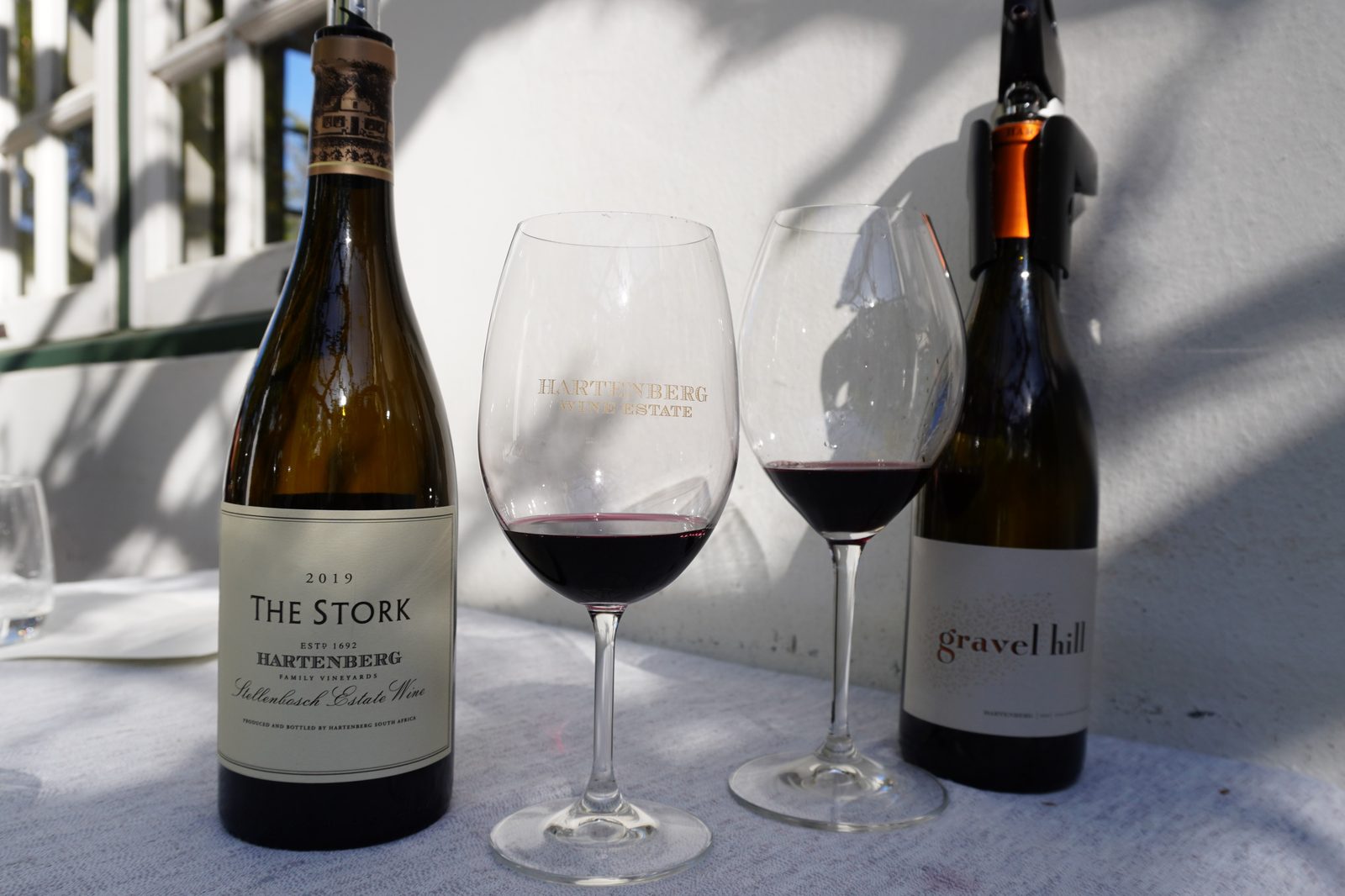
The Stork and Gravel Hill reveal two different expressions of Syrah from Hartenberg Wine Estate in Stellenbosch, South Africa.
Explore Hartenberg’s Stellenbosch estate and the vineyard sites behind its two Syrahs.
Australia had one more surprise for us.
On Victoria’s Mornington Peninsula, surrounded by the cold waters of Bass Strait, winemaker Shashi Singh of Avani Wines produces a Syrah that doesn’t fit neatly into the image some wine drinkers carry of Australian Shiraz. Shashi and her son Rohit, Avani’s up-and-coming winemaker, described their 2019 Syrah to us as medium-bodied and elegant, with bright fruit, spice and silky tannins.
When asked whether her Indian heritage influenced the way she makes wine, Shashi found a connection in the qualities she values in both wine and the food that is part of her family’s life. Indian cuisine relies on flavors that build upon one another while maintaining balance, and she seeks that same sense of complexity and harmony in her wines. Their freshness and texture also allow them to stand comfortably alongside richly flavored dishes rather than competing with them.
That conversation added another dimension to what we had been learning in the vineyards. Place shapes the grape, but the person interpreting that place brings experience, preferences and culture to the wine as well.
Read Shashi’s journey to winemaking.
How Walla Walla Vineyards Change Cabernet Sauvignon
You don’t have to travel between France, Australia and South Africa to experience the same grape differently. We have seen it much closer to our home in the Walla Walla Valley.
Cabernet Sauvignon provides a wonderful example. During our visits and conversations with winemakers there, we have tasted Cabernet grown in different parts of the valley and discovered that a relatively short distance can produce noticeably different expressions. Tastings involving fruit from Seven Hills Vineyard have been particularly useful because they allowed us to pay attention to the vineyard itself rather than assuming every difference came from the grape variety. Within just a few miles, we tasted Cabernet Sauvignon from vineyards that differed in elevation, vine age and trellising, resulting in surprisingly different expressions, from more opulent, dark-fruited wines to leaner, aromatic and spicy ones.
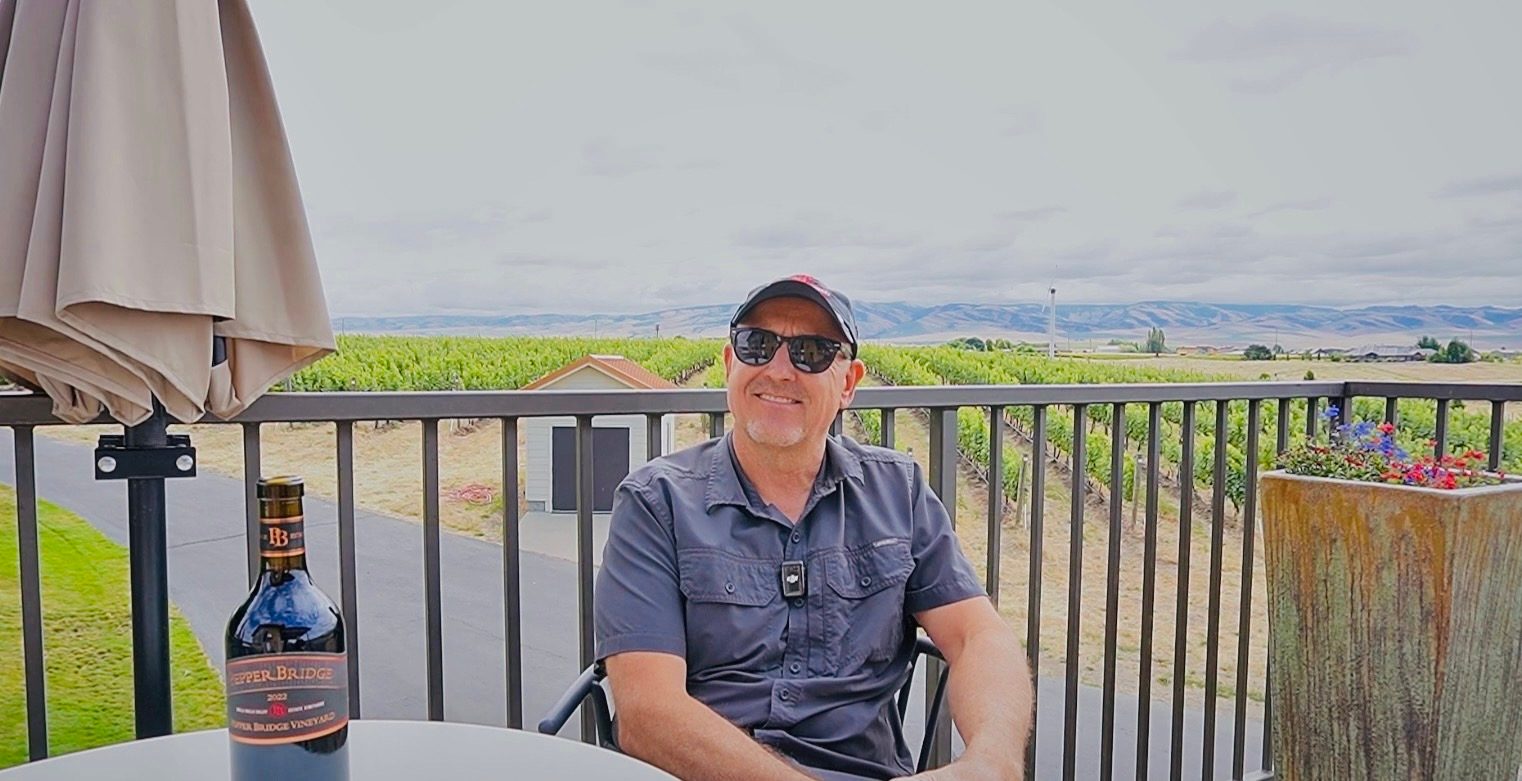
Jean-François Pellet of Pepper Bridge Winery in Washington’s Walla Walla Valley.
Our conversations with Jean-François Pellet of Pepper Bridge Winery reinforced another important point: understanding a vineyard isn’t static. As vines mature and growers spend more years observing them, decisions in the vineyard evolve. Winemakers become increasingly familiar with what particular sites can give them and how best to preserve that character in the finished wine.
For the wine enthusiast, that’s part of what makes returning to a region so rewarding. You’re not simply revisiting the same Cabernet, Syrah or Malbec year after year. You’re following an ongoing relationship between a grape, a place and the people working with it.
Start with our first-person Walla Walla guide.
How to Tell What You Disliked About a Wine
The next time you taste a wine you don’t enjoy, resist the temptation to make the grape variety responsible. Instead, spend a moment identifying what it was about that particular wine that didn’t work for you.
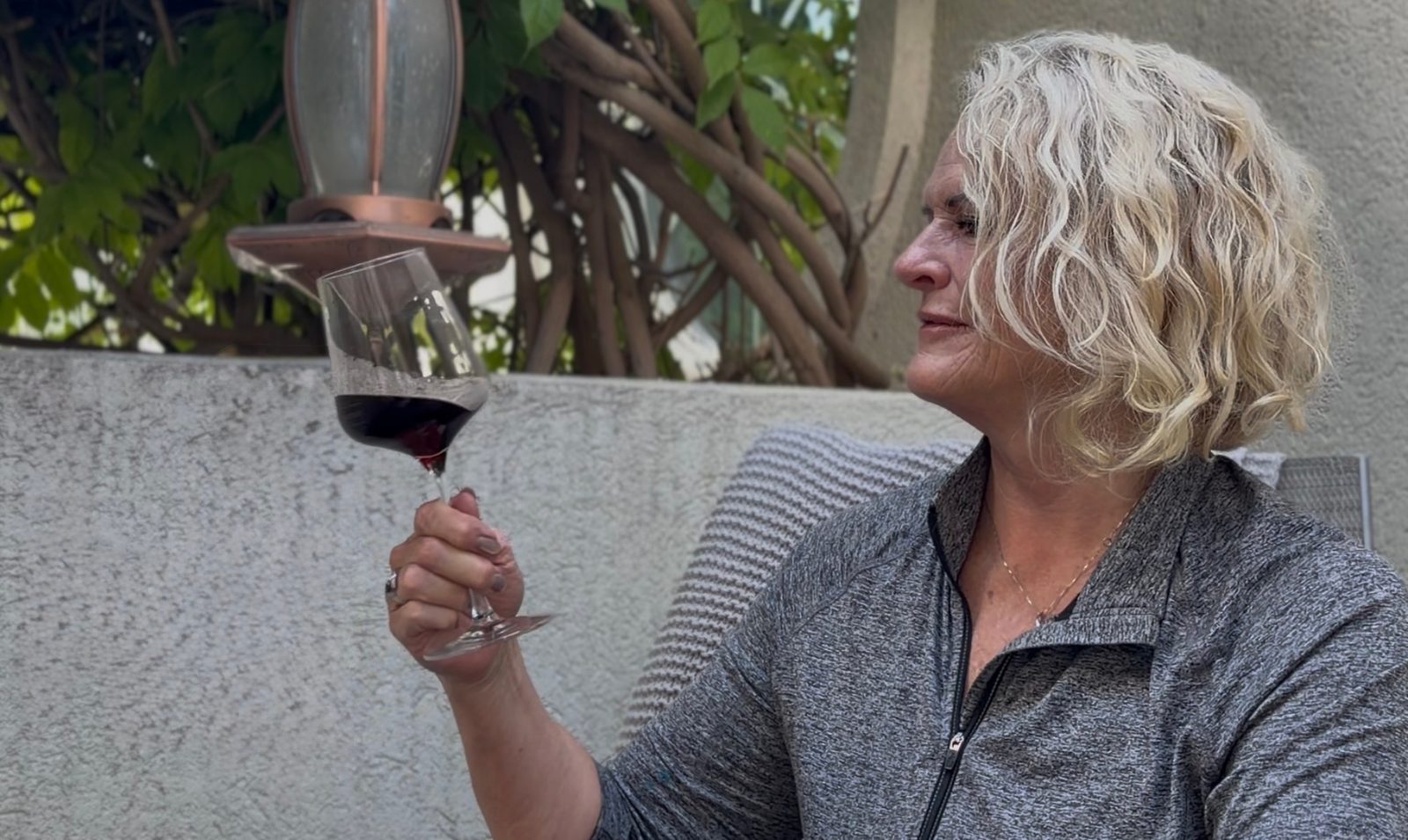
Learning what you like begins by paying attention to what is actually happening in the glass.
Start with how the wine felt. Was it light and silky or fuller and more structured? Were the flavors bold and immediate or subtle and layered? Think about the character you enjoyed, or didn’t. Perhaps it was the fruit that drew you in, or the earthy, savory or spicy qualities underneath it. Notice the freshness, too. Did the acidity make your mouth water or give you that little sensation in your cheeks? Were the flavors in sync with each other, or did one component stand out? Finally, pay attention to what happens after you swallow. Does the wine leave cleanly or linger, and which experience do you prefer?
You don’t need to identify obscure aromas or master a professional tasting vocabulary. You are simply beginning to recognize the sensations and characteristics that make you want another sip.
And once you know that, your next bottle becomes much more interesting.
Watch how Jan breaks down a wine in under one minute by B-L-I-C-ing the wine.
How to Compare the Same Grape from Two Regions
Try the same grape from two different places.
Chardonnay makes an easy experiment: compare Chablis with a richer California expression. Pinot Noir can take you from Burgundy to Central Otago. Syrah can travel from the Northern Rhône to the Barossa or, as Avani showed us, somewhere entirely different within Australia.
Taste them together if you can, because comparison has a remarkable way of making differences easier to recognize. Don’t worry about finding the “correct” tasting note. Pay attention to which glass keeps drawing you back and, more importantly, why.
Then remember the grape, the producer and where it was grown.
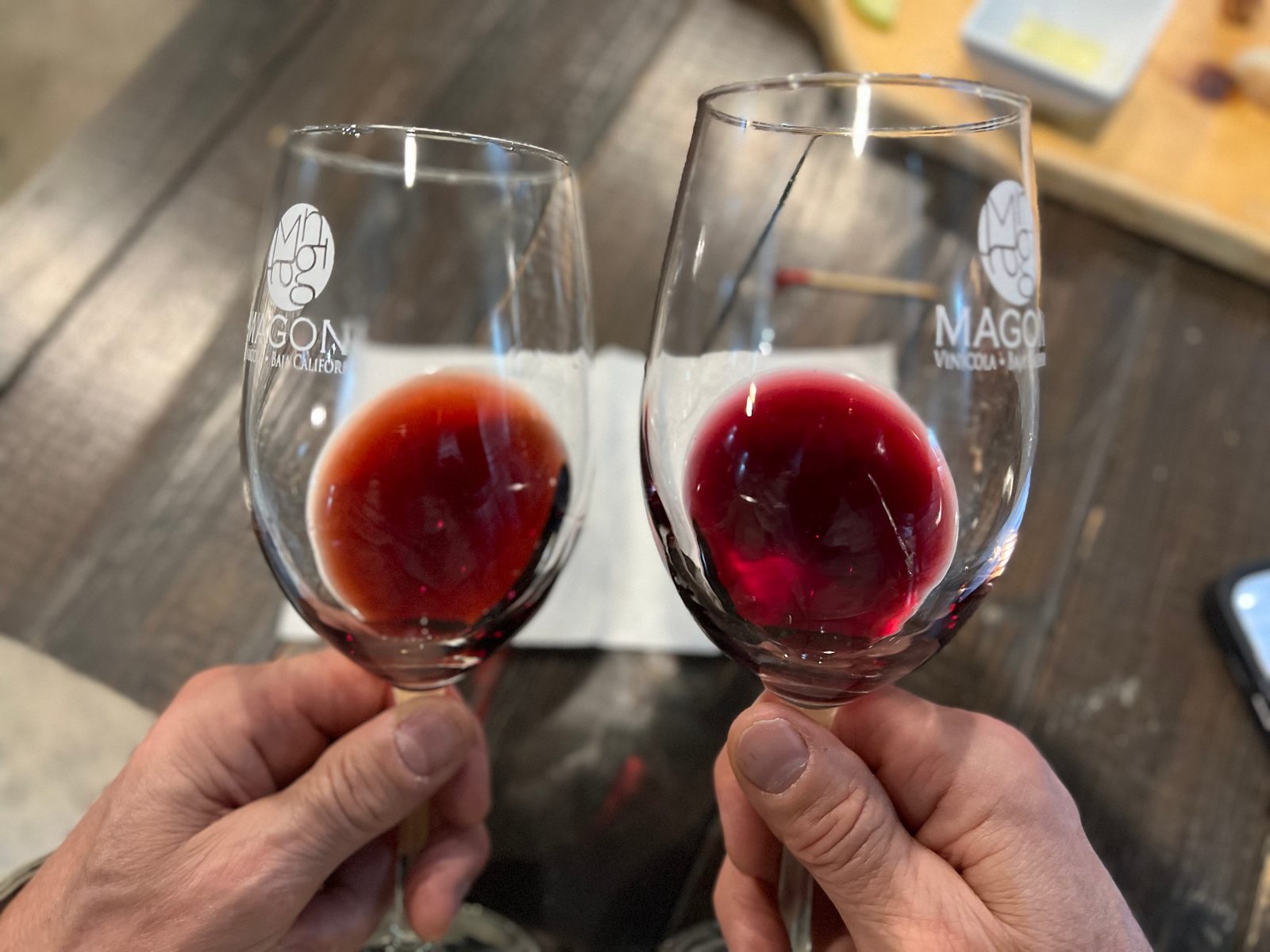
Taste the same grape from two different places and let your own palate tell you what changes.
Over time, those experiences begin to create a map of your own palate. You may discover that freshness consistently attracts you, that you prefer savory complexity over abundant fruit, or that the amount and character of oak has more influence on your enjoyment than you realized. You may also find that your preferences aren’t absolute. The wine you want with dinner may be different from the one you want to linger over afterward, and what appeals to you in winter may not be what you’re reaching for in July.
That’s when learning about wine becomes less about memorizing grapes and regions and more about understanding what brings you pleasure in the glass.
The next time you’re looking at an unfamiliar restaurant wine list or standing in front of a wall of bottles, that knowledge changes the conversation. Instead of saying, “I don’t like Chardonnay,” you can explain that you tend to enjoy Chardonnay with freshness and acidity and less obvious oak. Instead of dismissing Syrah, you might ask whether the bottle leans toward a more elegant, savory expression or one with greater ripeness and power.
Now you’re giving the sommelier, retailer or simply the friend helping choose the bottle something useful to work with.
And you’re giving yourself permission to keep exploring.
Because perhaps you don’t dislike the grape at all.
Perhaps you simply haven’t found your expression of it yet.
More from this country

United States
Woodward Canyon Winery - What Comes After You Help Build a Wine Region
The evolution of Walla Walla wine and how the Small family is protecting its legacy by continuing to question, experiment, and listen to the vineyard.
United States
What Makes Dunham Cellars Stand Out in Walla Walla? The Dog, the Art, and a Legacy Carried Forward
Inside the former World War II hangar where family, art, wine, and the memory of Eric Dunham continue to shape one of Walla Walla's most personal wineries.
United States
How Kerry Hill Winery Turned a Neglected Idaho Vineyard Into a Working Estate
From McDonald’s pioneer to Kerry Hill Winery, Mindy Mayer’s story of discipline, unthinkable loss, and moving forward



From Vineyard to Inbox
Subscribe to our newsletter