Can You Taste a Living Vineyard? Inside Koyle Family Vineyards
How biodynamic farming, elevation and basalt soils help Koyle Family Vineyards create wines that express their place in Chile’s Colchagua Valley.
Jan de Weerd - Spoken Wines

This will hide itself!
“This place feels so alive”, Tammy commented as we walked up the slope through the vineyards of Koyle Family Vineyards in Los Lingues, at the foothills of the Andes in Chile’s Colchagua Valley with our host Catalina Aubert. Native vegetation grew alongside the vineyards. Birds, insects and animals were part of the landscape. A wooded ravine cut through the property, filled with sounds and smells. There was a peacefulness to it, but also an unmistakable sense of energy. As we climbed higher into the vineyards, we began to understand what Koyle means by a living vineyard. Biodynamic farming supports a diverse ecosystem, while elevation and decomposing basalt create distinct growing conditions across the Los Lingues hillside. You cannot taste biodiversity as a single flavor, but you can taste those differences in the structure, concentration and savory character of Koyle’s wines.

View from above of Koyle Family Vineyards
A Vineyard Designed to Be Alive
Koyle is farmed biodynamically and certified by Demeter. Its philosophy is to treat the vineyard not simply as rows of grapevines, but as a living, interconnected farm. Soil, plants, animals, microorganisms and people all have a role. It is a way of nurturing a healthy vineyard and ultimately allowing the identity of this particular place to find its way into the wine. Biodynamic farming has found a strong foothold in both France and Italy. During our Italy travels we visited two small family wineries in Valpolicella sharing their journey with us growing and producing biodynamic wine: Monte Dall'Ora and Monte dei Ragne.
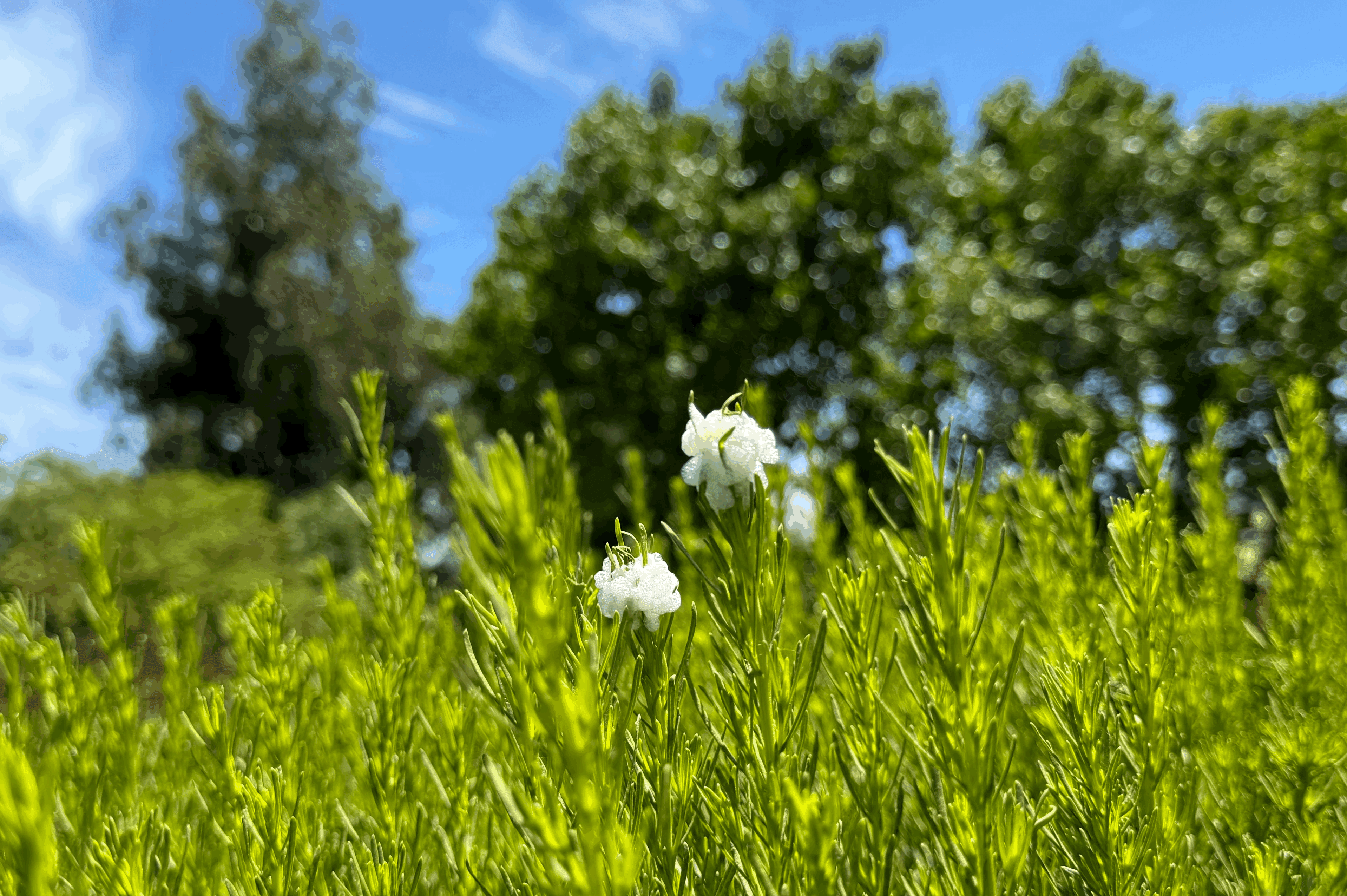
Styrofoam-like egg cases created by praying mantises, beneficial insects that act as natural pest control in the vineyard ecosystem.
The Undurraga family’s roots in Chilean wine stretch back generations, but Koyle represented a new beginning when the family established the estate at Los Lingues in 2006. From the beginning, the ambition was to create wines that could express the identity of this particular farm. Native vegetation remains integrated into the landscape. Animals are part of the farming system. Sheep graze among the vines. Compost made with materials from the farm helps return organic matter to the soil. Biodiversity is part of how Koyle thinks about the health of the entire estate.
Biodynamics takes that idea even further. During our visit, we happened to arrive when the team was harvesting its biodynamic preparations, including cow dung that had spent months underground inside cow horns. We learned about compost preparations, quartz, natural cycles and the many practices Koyle uses to encourage life in the soil and balance across the farm. It was fascinating and deserves a story of its own. But perhaps the most important thing we learned was why Koyle does it. Their team repeatedly returned to the same idea: the vineyard is an interconnected organism. The healthier and more alive that system becomes, the less they need to impose upon it and the more clearly the vineyard can express itself.
Harvesting biodynamic preparations: manure from cow horns that had spent six months buried in the soil beneath a 200-year-old tree at a central location in the vineyard.
One Vineyard, Three Different Worlds
The vineyards rise from roughly 1,000 feet to around 1,700 feet above sea level. As we made our way toward the highest point of the property, the change beneath our feet became increasingly obvious. The lower portions contain more clay and hold more moisture. As you move upward, the soils become progressively rockier, drainage increases and the growing conditions become more demanding. Near the top, huge rocks dominate the landscape, and decomposing basalt becomes an important part of the vineyard.
Koyle broadly divides the hillside into three terraces, and each gives the vines something different. On the lower terrace, where there is more clay and greater water availability, the vines are more comfortable and productive, producing structured wines with brighter, more generous fruit. Move higher and the balance changes. There is less clay, more rock and sand, and less water-holding capacity. The vines produce fewer clusters and smaller berries. The wines become more concentrated, nuanced and savory. At the highest elevations, around Cerro Basalto, the conditions become more extreme, with vines growing among large stones and roots finding their way into fractures in the decomposing basalt. Down the valley in Apalta, we saw a similar block-by-block approach to terroir.

At the highest elevation the roots of vines find their way into the fractures of decomposing basalt.
Can You Taste the Life of the Vineyard?
Over lunch, our conversation with Koyle’s winemaker brought everything we had seen in the vineyard back to the glass. We were tasting Carménère, the grape perhaps most closely associated with modern Chile, and talking about how Koyle approaches it. Their Carménère comes from different parts of the hillside, including the rockier second and third terraces. Those differences provide the winemaking team with different expressions of fruit, structure, concentration and savory character that can be brought together in the final wine.
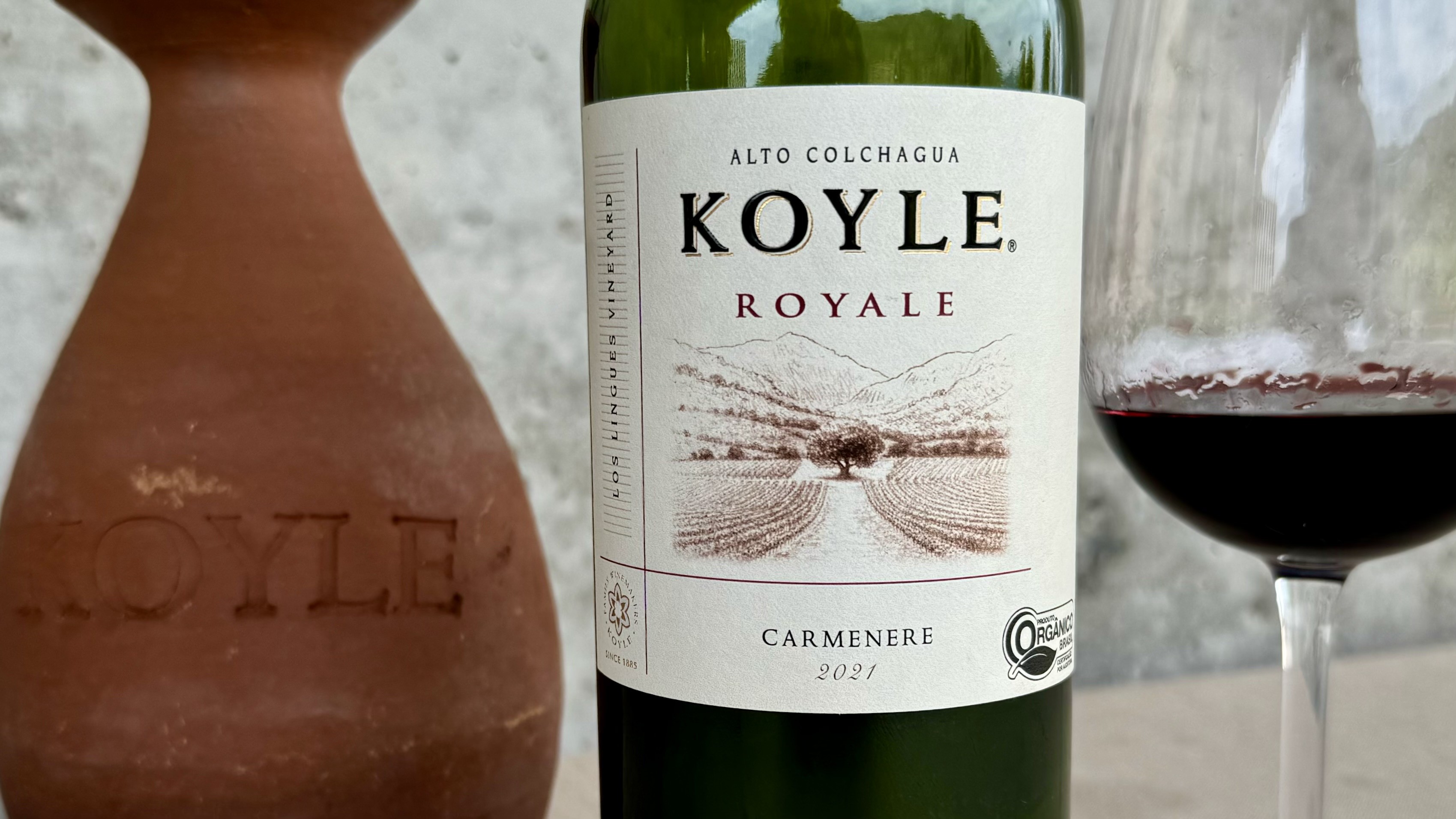
A complex, flavorful Carménère crafted from three distinct terroirs. Tammy’s favorite!
Koyle uses native yeasts and gentle winemaking because the team wants the vineyard, rather than the cellar, to do most of the talking. Even blending is approached through that lens. Other varieties can be used alongside Carménère, not to disguise its character, but to reinforce the expression Koyle believes comes from this place.
Then our winemaker said something that captured Koyle better than almost anything else we heard during our visit. The goal, he explained, is not necessarily to make a wine that is better than somebody else’s wine. Better or worse is a judgment. “The goal is identity.”
That distinction stayed with us.
We could see it in the different terraces, the native vegetation surrounding the vines, coops of chickens in the vineyard eating unwanted bugs. We saw the tiny native plant from which the estate takes its name: the Koyle, with its small purple flowers and fruit, growing naturally in this part of Chile. Even the vineyard includes a parcel planted in the shape of the Koyle flower, visible from high on the hillside. We were welcomed upon arrival with this vineyard’s bright, uplifting rosé, made from Grenache and Mourvèdre.

The Grenache and Mourvèdre vineyard parcel, shaped like the Koyle flower, appears in the center of this image, just below the lagoon.
So, where do all these decisions lead you to? Can you actually taste a living vineyard?
Perhaps not in the literal sense. We would never suggest that you can taste biodynamics or a particular farming philosophy as an identifiable flavor. What you can taste is the result of countless decisions intended to allow a place to speak more clearly: the freshness of the fruit, the energy in the wine, the savory character of Carménère, the greater concentration from the rockier upper terraces, the structure associated with the most demanding parts of the hillside, and the differences among wines grown only a short distance apart.
That may be the most useful way to think about a wine with identity. It tells you more clearly where it came from. And perhaps that is what tasting a living vineyard really means. At Koyle, biodynamics, biodiversity, elevation, basalt, native yeast and careful winemaking are not separate stories. They are all part of one pursuit: allowing everything that makes this vineyard different to find its way into the bottle, creating a wine that could only come from here.
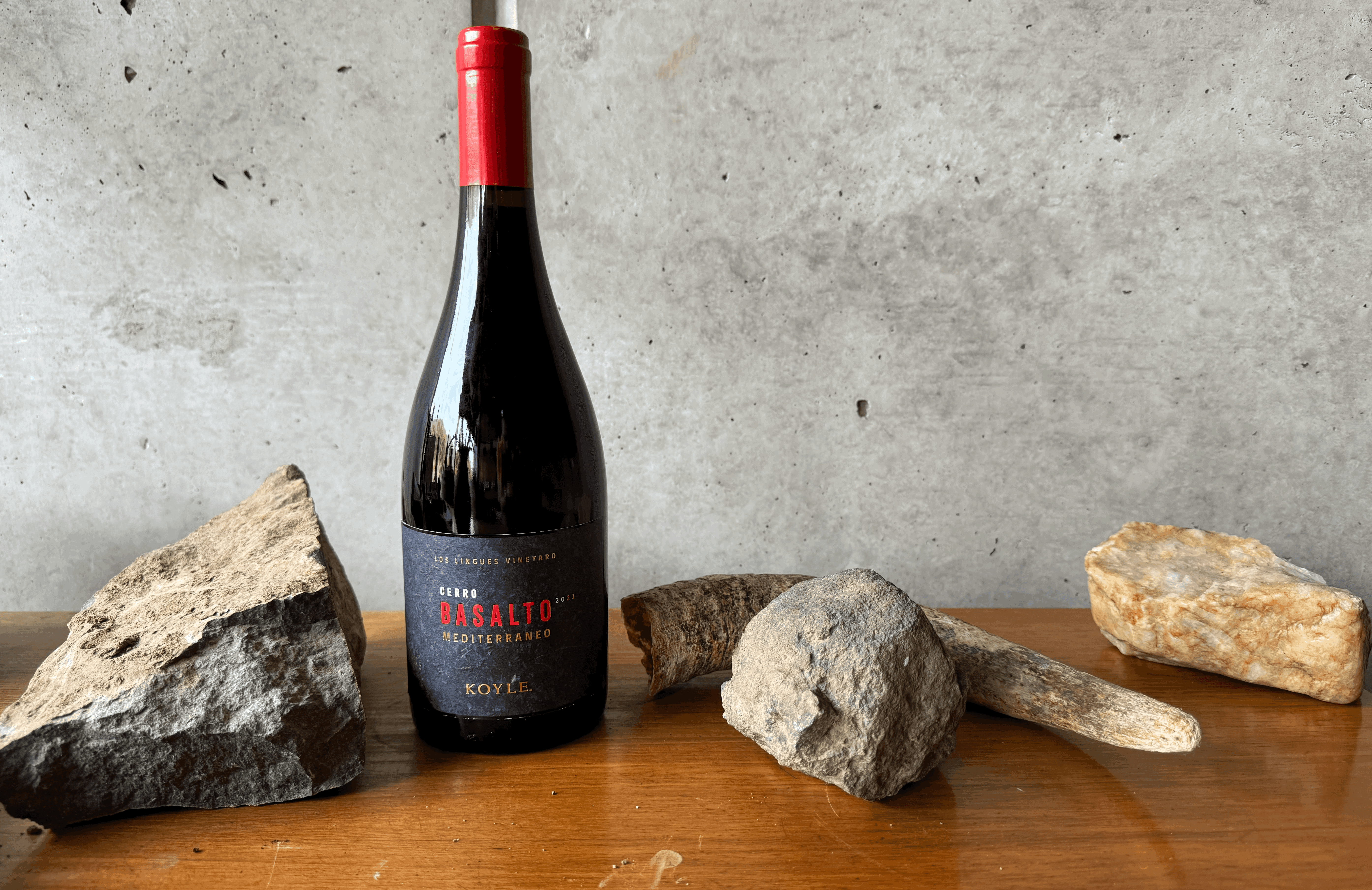
Cerro Basalto Mediterráneo, a southern Rhône-style wine made from Mourvèdre, Grenache, Syrah and Carignan, uniquely expresses the highest-elevation terroir through savory mineral notes, dark fruit and an earthy undertone. Jan’s favorite!
Visit the Koyle Family Vineyards website: https://www.koyle.cl/
Visit our Chile page for a full overview of wine in Chile.
More from this country

Chile
What We Learned at Clos Apalta: How Great Wineries Think
Inside Clos Apalta's seventeen micro-terroirs and the philosophy behind every decision
Chile
How Torreón de Paredes Turned a Father’s Dream Into a Chilean Wine Legacy
A Father’s Dream, Two Sons, and the Soul of Chile in a Glass
Chile
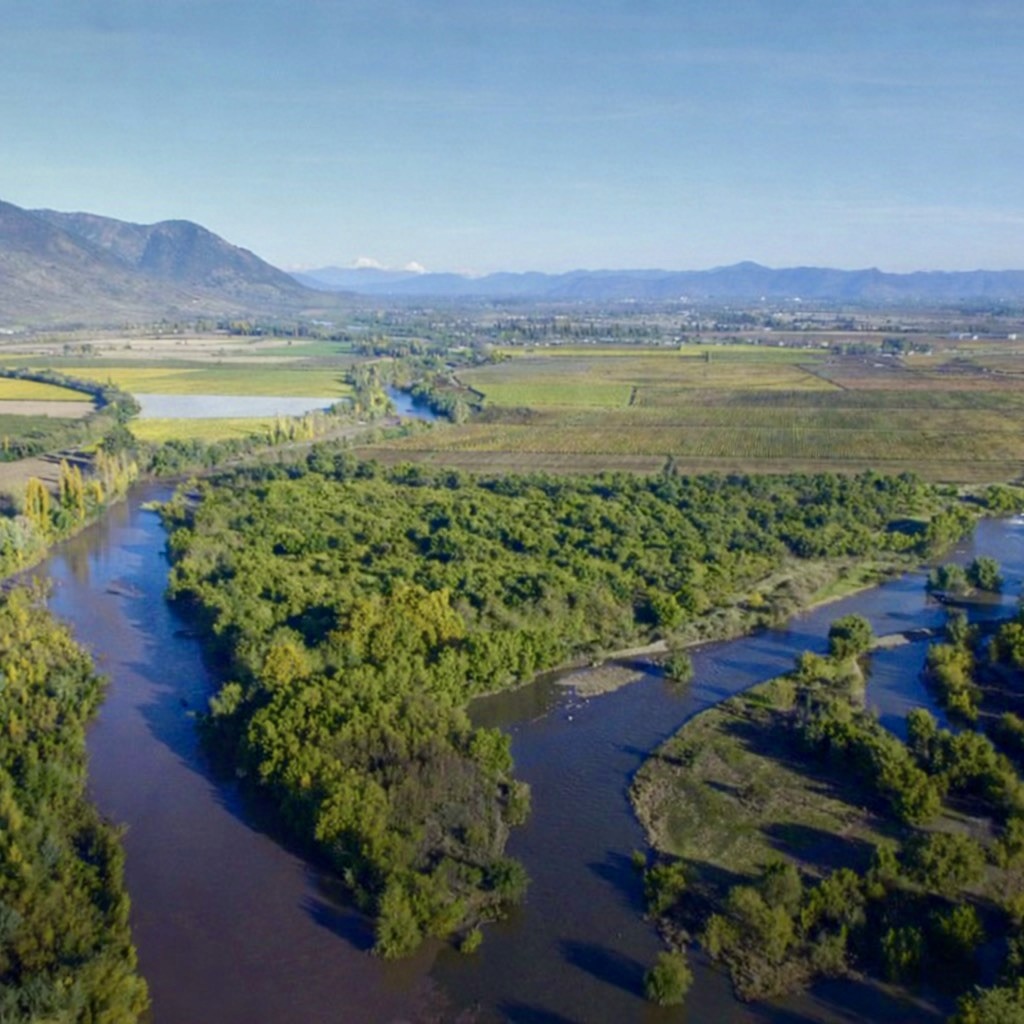
How Two Rivers Give Viña Maquis Wines Their Freshness
The secret microclimate of Viña Maquis and the 300-year legacy of Chile’s great wine families



From Vineyard to Inbox
Subscribe to our newsletter