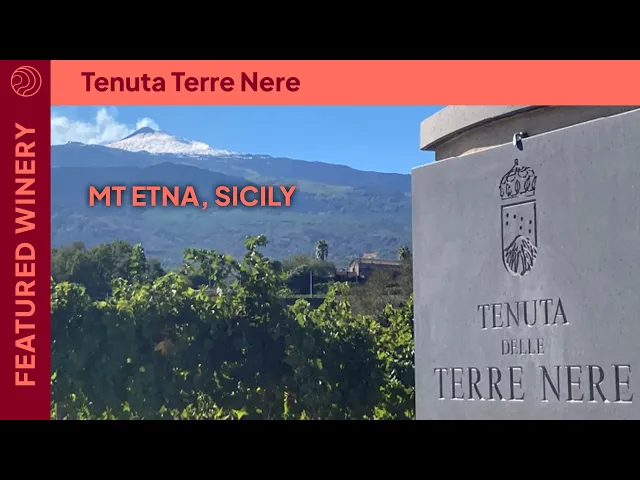
The Best Producers on Mount Etna? Why Terre Nere Stands Out
From Guardiola’s ancient lava flows to high-altitude contrade, Terre Nere is helping redefine how Etna wine is understood.
Jan de Weerd - Spoken Wines
Smooth Scroll
This will hide itself!
This will hide itself!
When people ask which producers offer a meaningful introduction to Mount Etna, Tenuta delle Terre Nere is one of the places we would start. The estate treats the mountain as a collection of individual places rather than one broad region. Its vineyards extend across different lava flows, elevations, soils, and contrade, allowing each wine to express a more precise part of Etna.
Terre Nere stands out because it treats Mount Etna as a collection of individual places rather than one broad region. Its vineyards sit between roughly 600 and 1,000 meters above sea level, across different lava flows, elevations, soils, and contrade. The result is a range of wines that can express the mountain with remarkable precision.
Our connection to Terre Nere began on a snowy December night in Chicago in 2016, when we opened a bottle from Guardiola, a contrada on Etna’s northern slope. The wine was volcanic, ethereal, and haunting. We did not yet know the vineyard’s altitude or the story of the person who had helped reveal its potential.
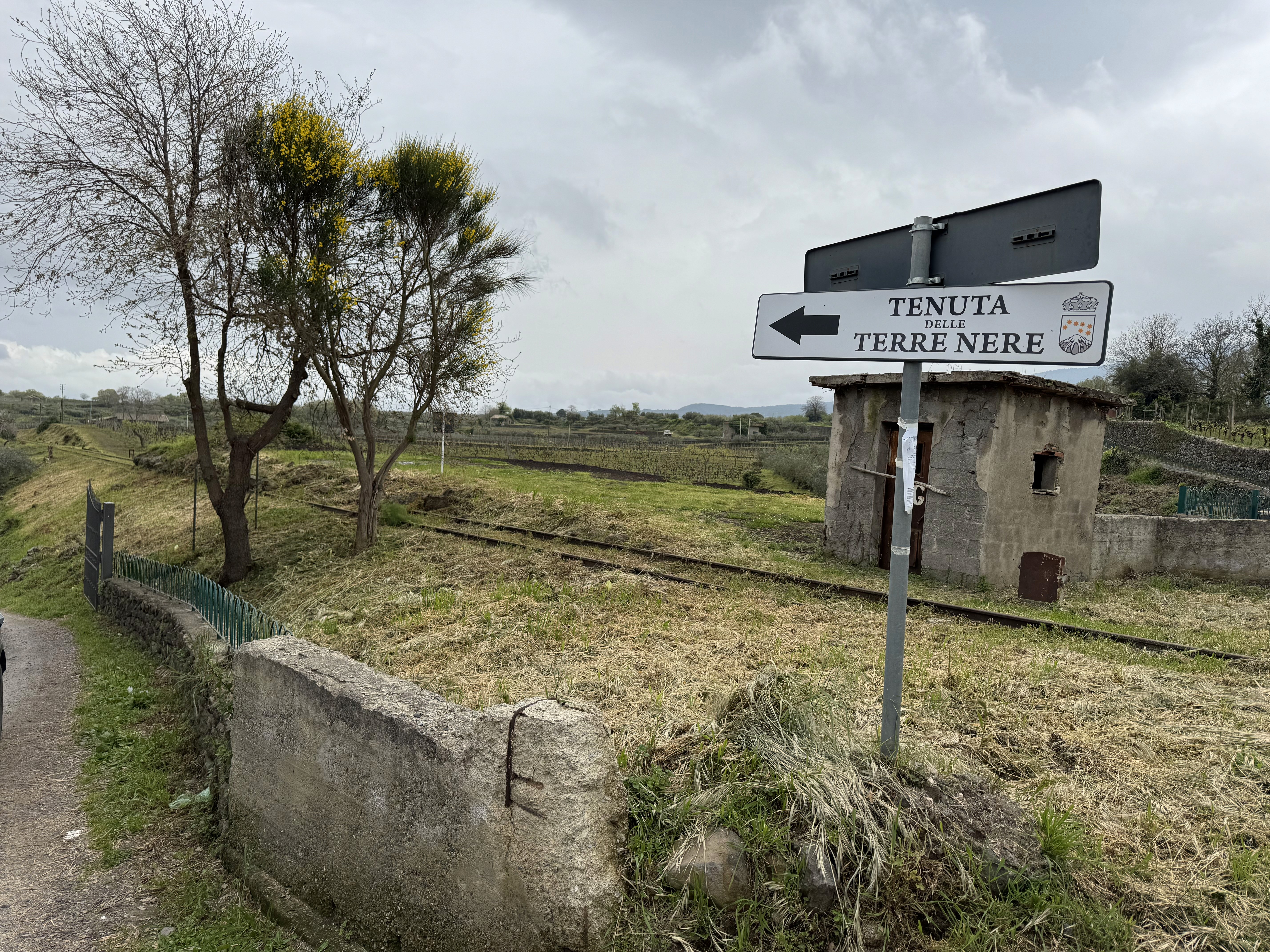
Nine years later, we stood beneath Mount Etna with Christian Liistro, an ambassador for Tenuta delle Terre Nere, and finally stepped into the story that had been calling us for nearly a decade.
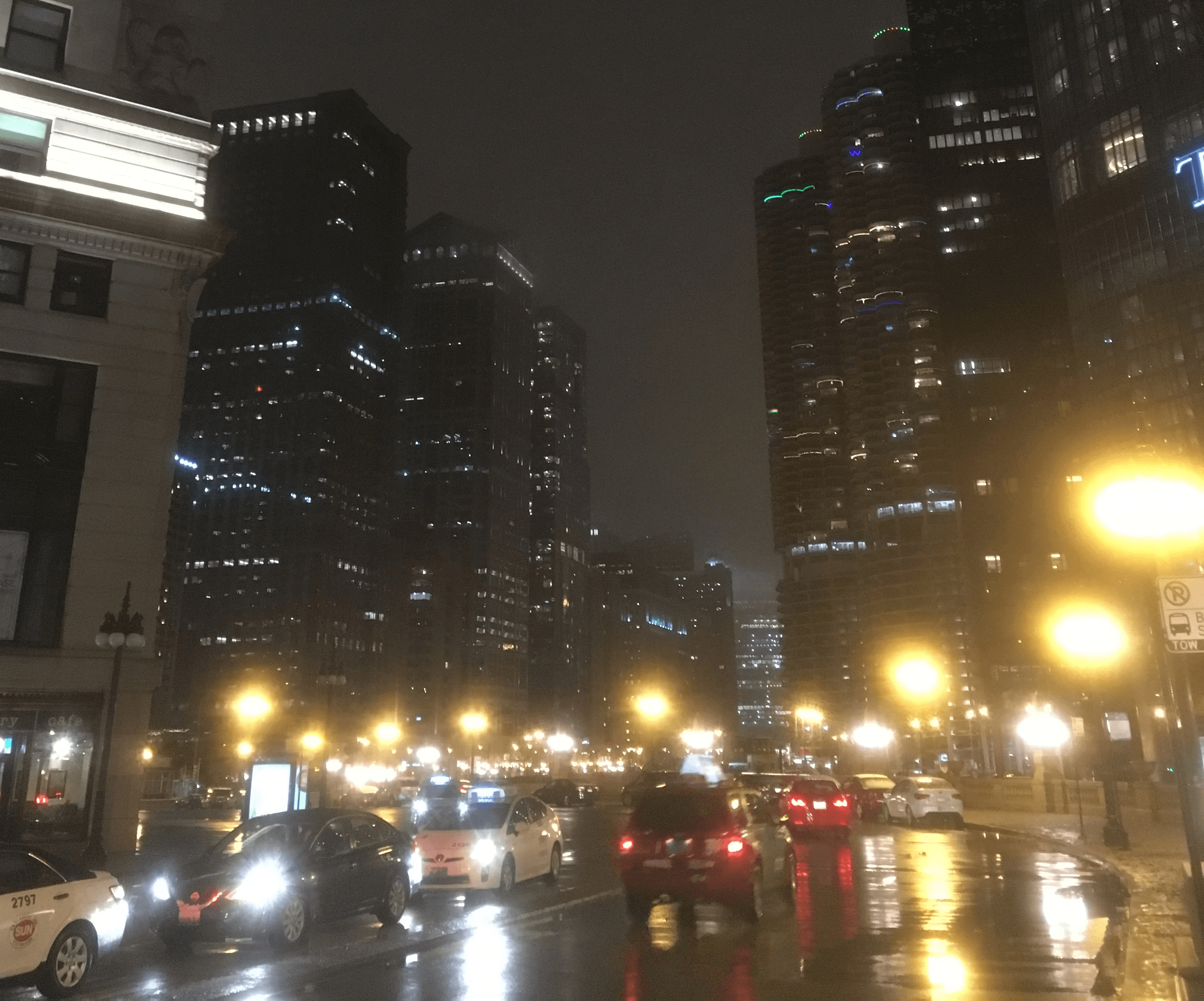
The Guardiola Etna Rosso started calling us 9 years ago on a snowy, wet night in Chicago
Why Terre Nere Became a Benchmark for Mount Etna Wine
Before Mount Etna became one of Italy’s most closely watched wine regions, it was largely overlooked by the wider wine world. Marco de Grazia saw something different.
In the late 1990s, when only a handful of wineries were working on the mountain, he walked among the old vines of Guardiola and recognized a place with the potential to produce wines of extraordinary clarity and character.
His approach was influenced by Burgundy. Rather than treating Etna as one uniform growing region, he saw a mosaic of individual sites, each shaped by its own lava flow, altitude, exposure, and soil. What Burgundy calls climats, Etna expresses through its contrade.
Marco’s goal was not to impose a style on the mountain. It was to reveal what each parcel already had to say.
Christian spoke of Marco as a man compelled by vision and reflection. Like a Burgundian vigneron, Marco believed each parcel of land had a voice. His goal was not to impose, but to reveal. What the Côte d’Or has in climats, Etna now has in contrade. Marco saw that Etna’s fragmented terrain, shaped by a mosaic of different lava flows, was worthy of classification and care. His approach mirrored Burgundy: crafting wines from a blend of vineyards, from single sites, and ultimately from parcels that spoke as grand crus. And so, the quiet revolution began.
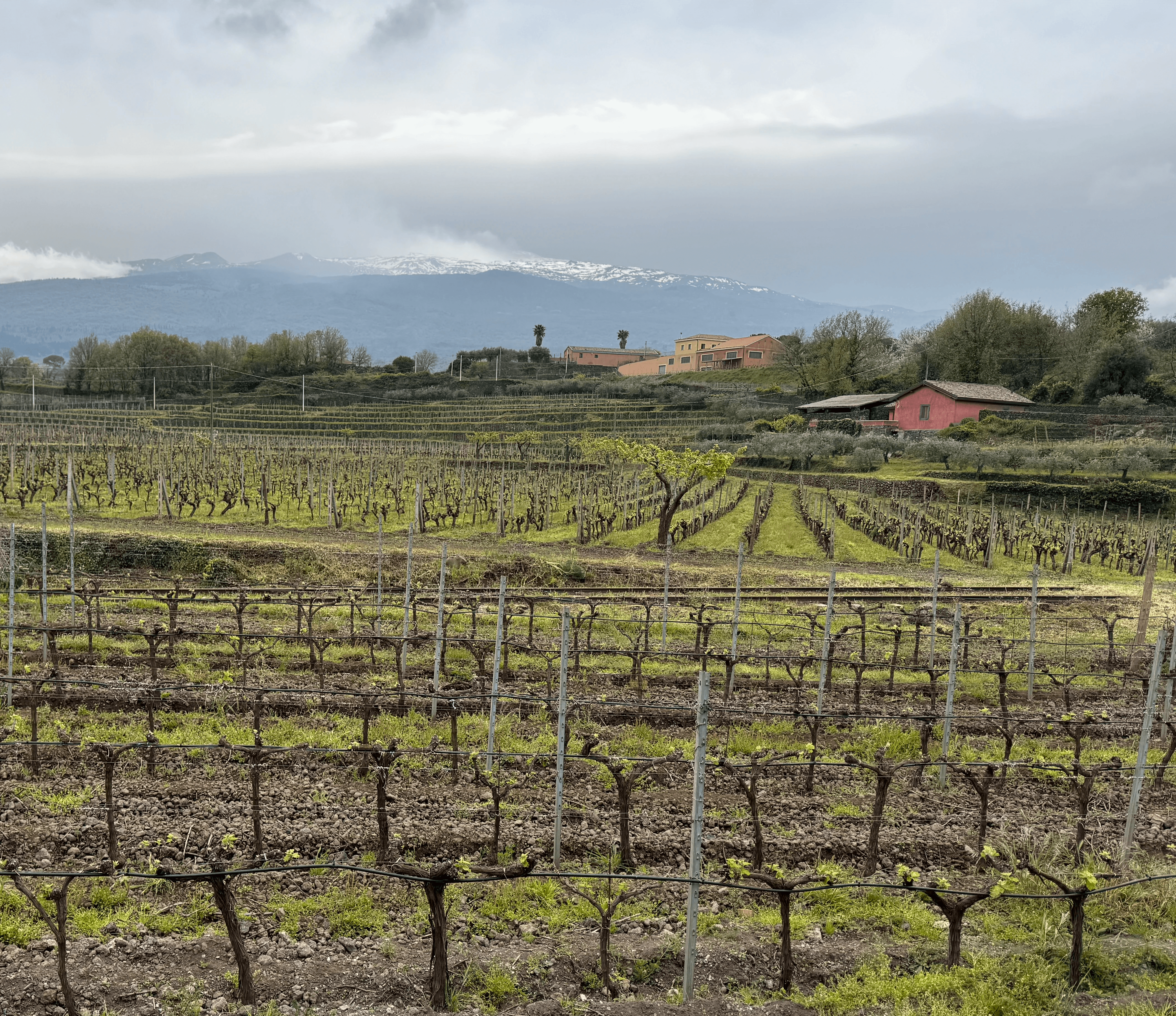
Crafting wines from single sites, and ultimately from parcels that spoke as grand crus.
Mount Etna’s Contrade: A Living Mosaic
To walk the slopes of Mount Etna is to walk through contradiction: ash and snow, fire and fog, the ancient and the ever-emerging. Terre Nere’s vineyards span altitudes from 600 to 1,000 meters, each with distinct soils.
Christian described the landscape with emotion. Each contrada is a world unto itself. What makes these wines singular is not just the soil, but how that soil converses with light, wind, and altitude.
This is why Etna wine can feel so different from one bottle to the next. The mountain is not a single terroir. It is a patchwork of elevations, lava flows, soils, wind patterns, and microclimates. A wine from Guardiola is speaking from a particular place on Etna, not simply from Sicily.
Terre Nere is now applying this same site-based thinking to Carricante, Etna’s noble white grape. The estate is exploring village, premier cru-level, and future grand cru-style expressions that allow the white wines to speak with the same precision as the reds.
It’s about truth. And trust in the land. You can learn more about the estate through the Terre Nere website.
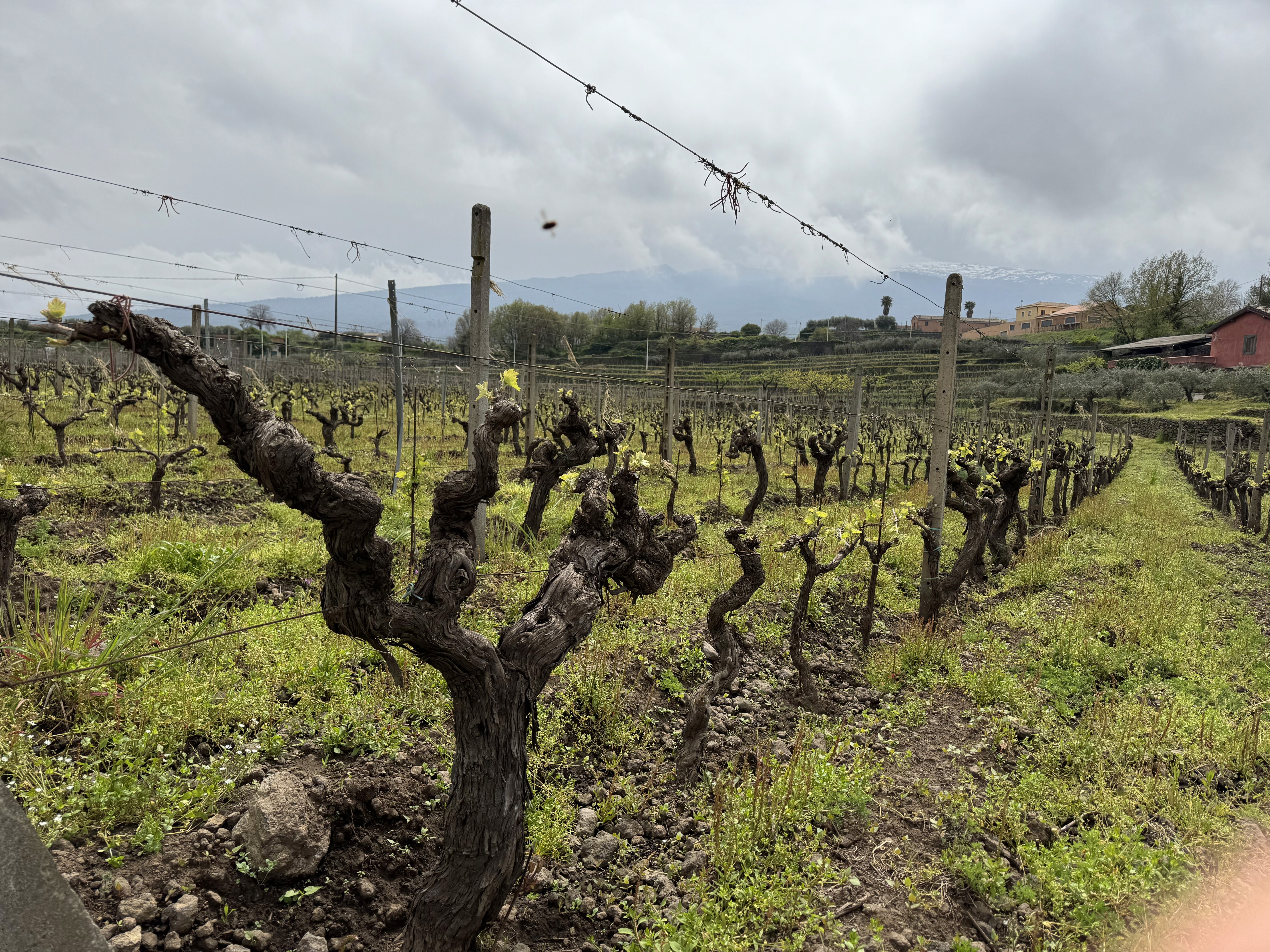
A single parcel cru wine is about the vines in the soil and how they converse with the light, wind and altitude
Where Should You Start With Terre Nere?
If you are beginning to explore Mount Etna, start with the Tenuta delle Terre Nere Etna Rosso 2024. Made primarily from Nerello Mascalese with Nerello Cappuccio, it brings together fruit from multiple contrade, elevations, and vine ages. This makes it an approachable introduction to the mountain before moving into Terre Nere’s single-vineyard wines. As you explore further, look for wines from named contrade, and pay attention to the elevation and site listed on the label.
When you're in Terre Nere, the estate’s Etna Rosso offers a current introduction to the producer before moving into its individual contrada wines. The bottle that first connected us to Terre Nere, however, came from Guardiola. Its volcanic, ethereal character was what made us want to understand the mountain and the people interpreting it.
Once you understand the Etna Rosso, return to the Guardiola wine that began our connection with Terre Nere. Comparing the broader Etna Rosso with a wine from one named contrada reveals the idea at the heart of Marco de Grazia’s work: Mount Etna is not one uniform terroir. It is a mosaic of individual places.
Explore the Tenuta delle Terre Nere Etna Rosso 2024.
Terre Nere helped us understand why Mount Etna has become such an important wine region. The mountain’s story is not about one style or one grape. It is about the conversation between ancient lava, elevation, wind, old vines, and the people willing to listen closely.
The next time you are choosing a bottle from Sicily, look for Mount Etna and pay attention to the contrada or vineyard named on the label. That detail may be your first clue to the particular part of the mountain speaking through the wine.
Terre Nere anchors the Sicily section of our guide to the most important wine regions in Italy, where Mount Etna sits alongside Tuscany, Piedmont, Valpolicella, and Alto Adige as a place worth starting.
Visit our Italy page for a full overview of wine in Italy.
For more stories about the people and places behind compelling wines, subscribe to our newsletter.
As Marco de Grazia said,
“In quest of the ideal bond between what nature gives us and what imagination suggests.”
More from this country

Italy
The Most Important Wine Regions in Italy, and Where Should You Start?
A traveler's guide to the regions, producers, and stories that make Italian wine easier to understand

Italy
Why Daniel Sigmund’s Alto Adige Mountain Wines Taste So Fresh
A first-generation winemaker turns the steep vineyards of the Eisack Valley into Silvaner, Riesling, and Pinot Noir defined by freshness, elegance, and place.

Italy
900 Years Later, This Winery Is Still Making Some of Italy's Most Remarkable White Wines
How Abbazia di Novacella has balanced centuries of tradition with wines that still feel vibrant, fresh, and unmistakably Alpine.



From Vineyard to Inbox
Subscribe to our newsletter