The Amarone We Keep Buying: Why Campagnola Has Been Our Choice for 10 Years
A decade of returning to one balanced, expressive Amarone from Valpolicella.
Jan de Weerd - Spoken Wines

This will hide itself!
If you buy one Amarone, Campagnola is the bottle we have come back to for more than a decade, and here is why.
Some wines come and go. Others stay with you. They become bottles you return to because they offer something deeper than a single memorable tasting. They become part of dinners, celebrations, and evenings shared with people you care about.
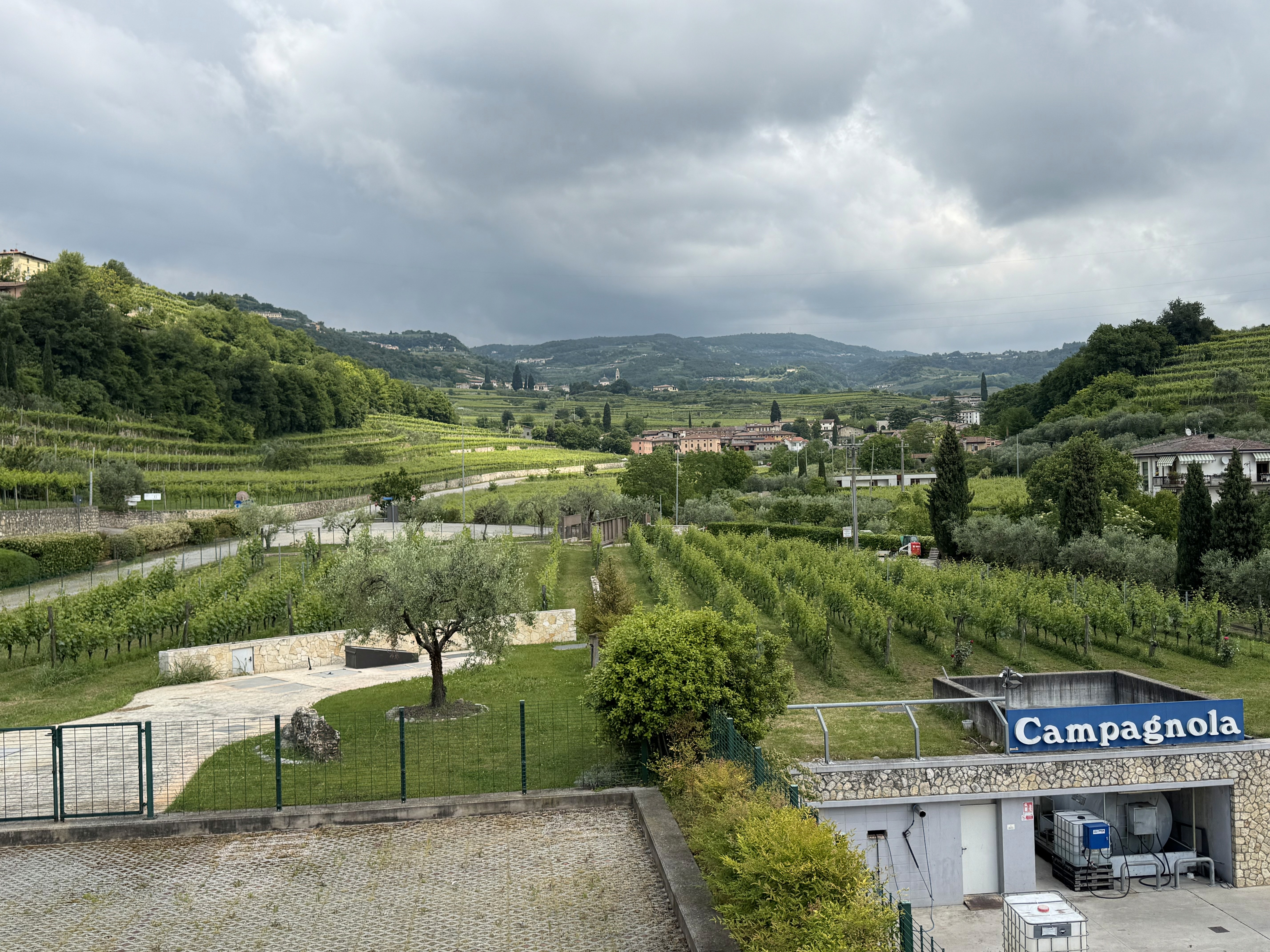
We first fell for Campagnola’s Amarone over ten years ago. Tasting at the source only deepened our appreciation.
For us at Spoken Wines, Campagnola Amarone della Valpolicella is that wine. We have loved it, shared it, celebrated with it, and cellared it. Across the vintages we have tasted, it has consistently offered what we look for in Amarone: richness held together by freshness, fine-grained tannins, and flavors that continue unfolding in the glass.
Our visit to Campagnola in Marano di Valpolicella was not simply another stop in wine country. It was a long-awaited pilgrimage to the source of one of our all-time favorite wines.
Camille could not have welcomed us better. She grew up in the village above the estate, overlooking the vineyards and winery throughout her childhood, and now works there. Engaging, knowledgeable, and sincerely proud of the wines she poured, she brought our experience with Campagnola full circle.
A Family Legacy Rooted in Valpolicella
Camille explained that the Campagnola family’s winemaking story began in 1907 with Carlo Campagnola and his wife, Caterina Zardini.
After Carlo died at an early age, Caterina’s strength and resilience carried the winery through a difficult period. A turning point came when their Recioto received acclaim at the Verona Wine Exhibition, helping establish the foundation for what the family would build.
Today, Caterina’s name appears on some of the family’s most important wines as a tribute to the woman who kept the winery moving forward.
At the time of our visit, Campagnola was in its fifth generation and working with 80 hectares in the heart of Valpolicella Classica. The family’s history mattered, but it was not presented as something frozen in the past. We could follow its evolution directly through the wines Camille placed before us.
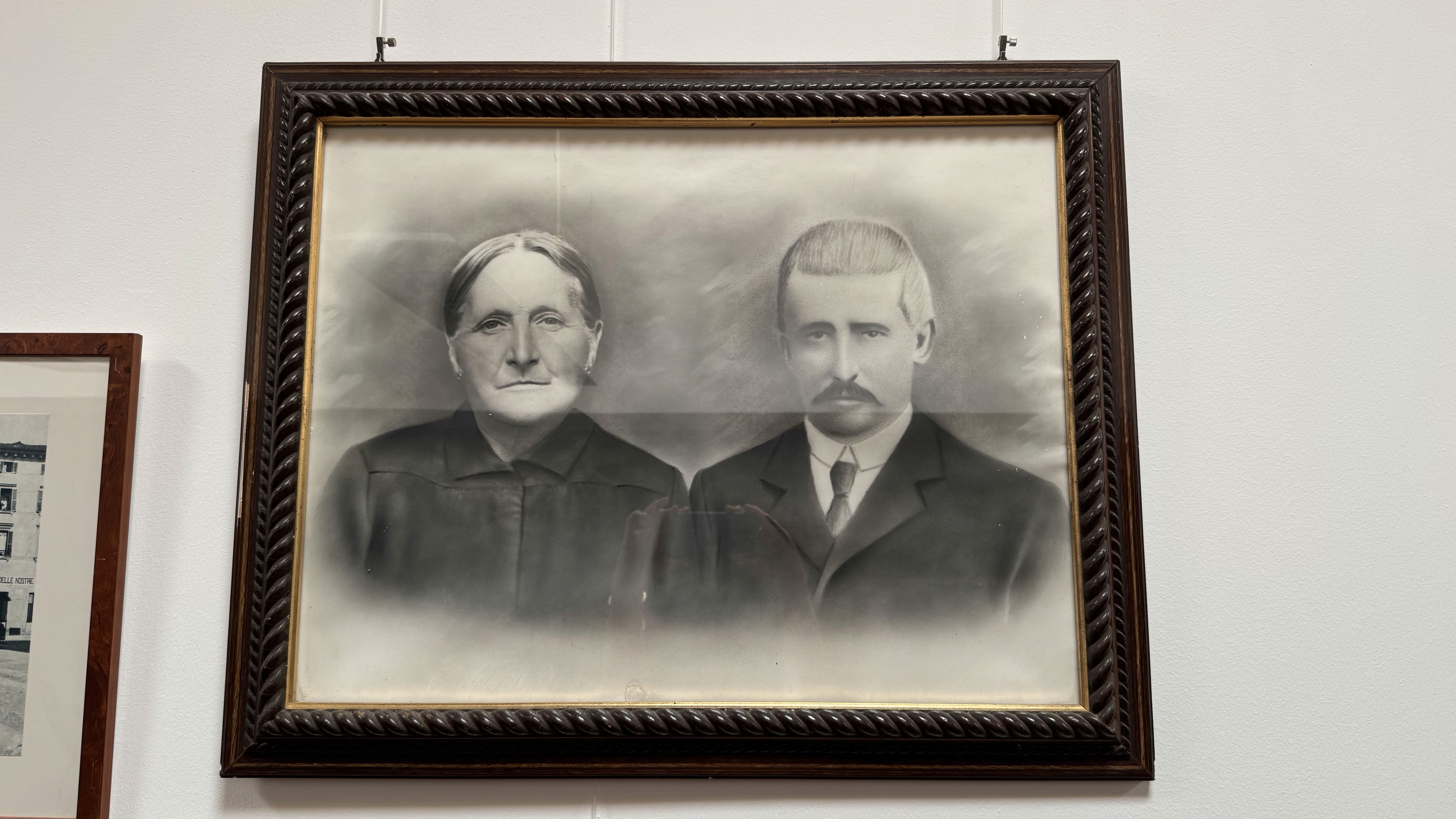
Campagnola family’s winemaking journey began in 1907 with Carlo Campagnola and his wife, Caterina Zardini.
Four Expressions of Valpolicella
Our tasting covered the full spectrum of Campagnola’s Valpolicella wines.
What made the progression so revealing was that the wines grew from many of the same principal grape varieties, especially Corvina, Corvinone, and Rondinella. Some could even come from the same vineyards. Yet each wine had a distinct personality.
The difference was not simply the grapes. It was what happened after they were harvested.

Our tasting journey covered the full spectrum of Campagnola’s Valpolicella expressions.
Valpolicella Classico
We began with Valpolicella Classico, a fresh and vibrant expression with bright red cherry notes.
Camille explained that it spent only four to six months in barrel before bottling. It was youthful and fruit-driven, providing a clear starting point for understanding the greater concentration of the wines that followed.
Valpolicella Classico Superiore Caterina Zardini
The next wine carried Caterina Zardini’s name.
This Valpolicella Classico Superiore was more structured, with intense but balanced flavors and a rounded, velvety character. For this wine, the grapes were dried for approximately 20 days before fermentation and the wine was then aged for 12 months in oak.
Even this relatively short drying period changed the wine. It showed us how the Campagnola family could build concentration and structure without losing the identity of Valpolicella.
Valpolicella Ripasso Classico Superiore
The Valpolicella Ripasso Classico Superiore brought us another step closer to Amarone.
Camille explained that the freshly fermented Valpolicella underwent a second fermentation approximately four months later, in February, on the pomace left from Amarone production.
Ripasso means “second passing.” By passing the Valpolicella over the remaining grape skins, seeds, and other material from Amarone, the family gave the wine additional body, depth, and complexity.
It was a wonderfully Italian expression of using what remained to create something new.
Campagnola Amarone della Valpolicella
Then we reached the wine that had brought us to Campagnola.
The Amarone della Valpolicella was the star of the tasting. It offered dark dried plum, black cherry, and subtle earthy undertones, carried by fine-grained tannins and a long finish with a mineral edge.
Amarone is made by drying harvested grapes before fermentation. During this process, the grapes lose approximately 30 to 40 percent of their weight. The loss of water concentrates their sugars, flavors, and structure.
Campagnola’s Amarone had the richness we expected, but richness alone was not what made the wine compelling. It remained balanced and vibrant. Each part of the wine felt connected to the next, allowing it to unfold slowly rather than reveal everything in the first sip.
For a deeper explanation of how drying shapes Amarone, read our visit to Monte Dall’Ora in Valpolicella.
The Amarone That Has Stayed With Us
We first fell for Campagnola Amarone more than ten years ago.
Since then, no vintage has scored below 9.3 in our own notes. Some have reached as high as 9.7. Those scores reflect more than power or concentration. They reflect the balance, structure, vibrancy, and sense of harmony we have consistently found across changing vintages.
We still have bottles from 2012 through 2020 resting in our home cellar. We did not taste all nine vintages together at the winery. We have opened and tasted them over the years, allowing each vintage to add a new dimension and a new memory to our relationship with Campagnola.
That history was what drew us to the winery. Tasting the Amarone at its source only deepened our appreciation.
If someone asks us where to begin with Amarone, Campagnola remains our clear recommendation. It is generous enough for a special dinner but balanced enough to enjoy slowly throughout an evening. The winery recommends it with roasted or grilled meats, game, full-flavored dishes, and mature cheeses.
Most importantly, it is a wine we trust. When you are standing before a shelf of unfamiliar Amarone labels and wondering which bottle to bring home, that trust matters.
Check current availability for Campagnola Amarone della Valpolicella Classico through the Campagnola selection on Wine.com.
Wine availability and vintages vary by retailer and location. Spoken Wines may earn a commission through this link at no additional cost to you.
A Wine Connected to People and Place
Our visit gave us more than a clearer understanding of how Campagnola makes its wines. It connected a bottle that had been part of our lives for more than a decade to the family, history, and place behind it.
Camille’s pride in the winery felt genuine because Campagnola was part of the landscape she had known since childhood. Caterina Zardini’s courage remained visible in the wines carrying her name. Each stage of the tasting showed how the family could begin with familiar Valpolicella grapes and create dramatically different expressions through drying, fermentation, and aging.
Campagnola Amarone is not memorable to us because it is the biggest or most dramatic wine on the table. It stays with us because its richness, structure, and freshness remain in harmony.
It is a wine to sip slowly and feel unfold, layer after layer.
Campagnola is also part of the wider story told in our guide to the most important wine regions in Italy.
Continue exploring producers and places through our Italy wine page, or subscribe to the Spoken Wines newsletter for more firsthand stories from the vineyards and cellars we visit.
More from this country

Italy
The Most Important Wine Regions in Italy, and Where Should You Start?
A traveler's guide to the regions, producers, and stories that make Italian wine easier to understand

Italy
Why Daniel Sigmund’s Alto Adige Mountain Wines Taste So Fresh
A first-generation winemaker turns the steep vineyards of the Eisack Valley into Silvaner, Riesling, and Pinot Noir defined by freshness, elegance, and place.

Italy
900 Years Later, This Winery Is Still Making Some of Italy's Most Remarkable White Wines
How Abbazia di Novacella has balanced centuries of tradition with wines that still feel vibrant, fresh, and unmistakably Alpine.



From Vineyard to Inbox
Subscribe to our newsletter